An Ancient Shipwreck Emerges off Southern Italy
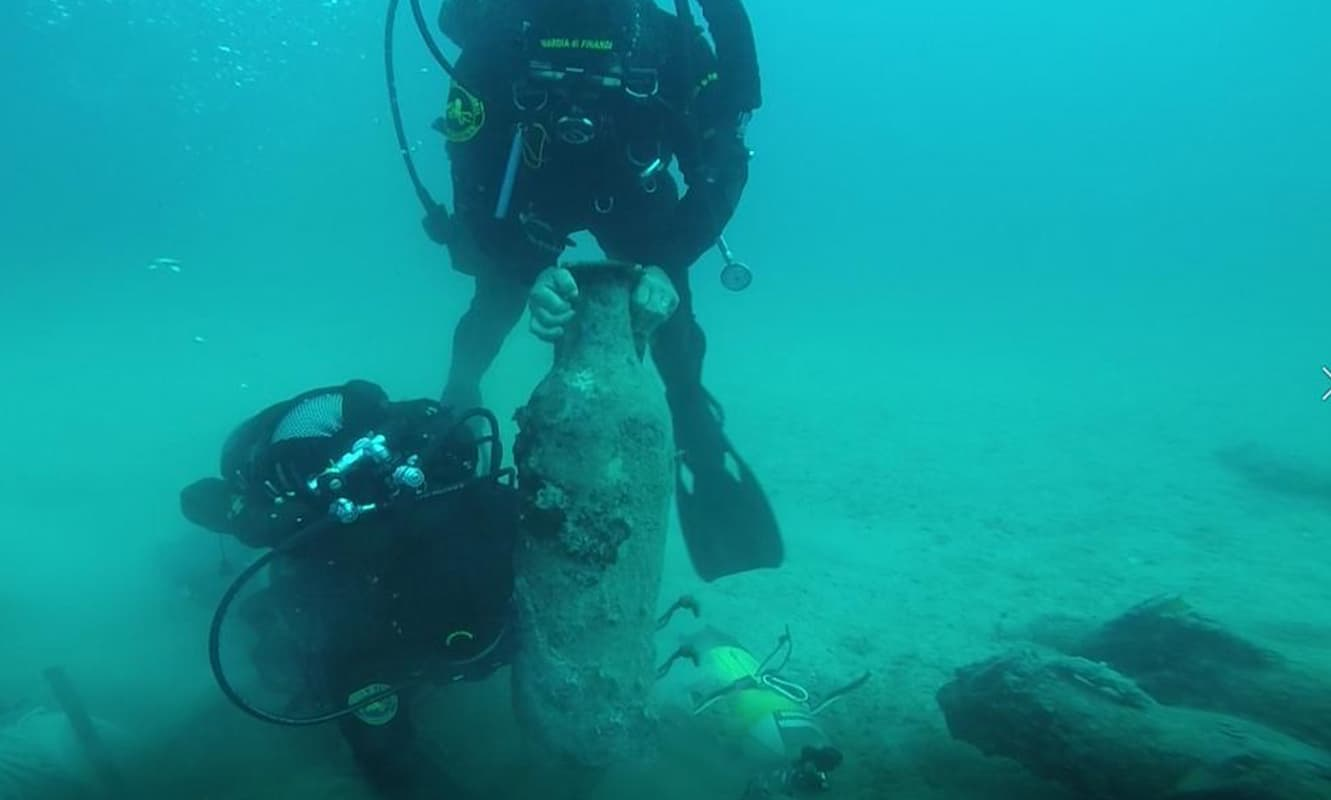
On the Ionian coast of the Salento Peninsula in southern Italy’s Puglia region, the historic port town of Gallipoli has become the focus of a remarkable underwater archaeological find. The Italian Ministry of Culture recently announced the discovery of an exceptionally well-preserved Roman merchant shipwreck lying on the seabed just offshore.
Although the wreck was first located in June 2025, officials deliberately delayed public disclosure. The decision was made to safeguard the site from looting and to protect its outstanding scientific importance.
Careful Protection Before Public Announcement
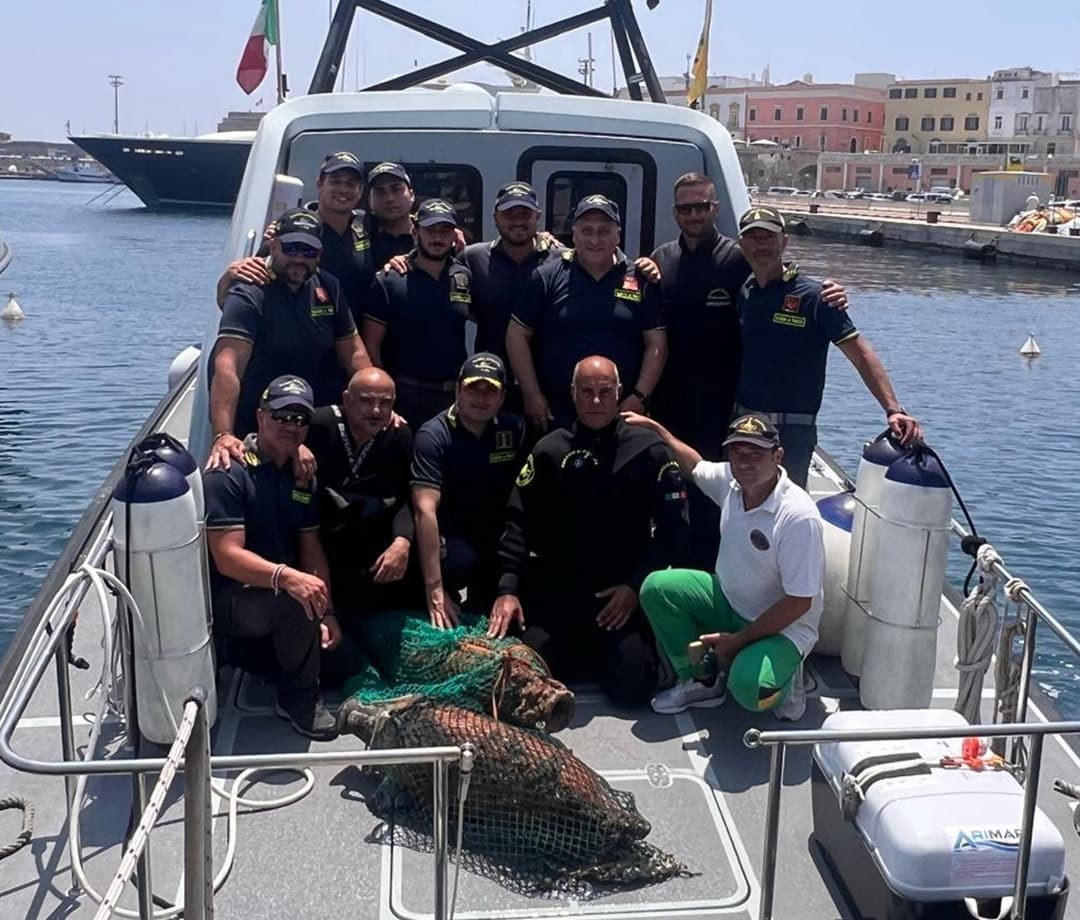
Following the discovery, Italian authorities placed the area under constant surveillance. The Guardia di Finanza closely monitored the site in coordination with the Archaeological Superintendency for Fine Arts and Landscape (ABAP). This period of confidentiality allowed specialists to assess the wreck’s condition and archaeological value while ensuring it remained undisturbed.
Only after a clear protection and monitoring strategy was established did officials feel confident enough to reveal the find to the public.
A Roman Trade Vessel Preserved in Time
The shipwreck has been identified as a navis oneraria, a large Roman merchant vessel designed for long-distance trade across the Mediterranean. Resting at significant depth off the coast of Gallipoli, the ship is reported to be in extraordinary condition, with much of its cargo still clearly intact.
This level of preservation offers archaeologists a rare snapshot of Roman maritime commerce, effectively freezing a moment of ancient trade activity on the seafloor.
Garum: A Luxury Cargo from the Roman World
What makes the discovery especially striking is the ship’s cargo: amphorae containing garum, the fermented fish sauce that was both a dietary staple and a luxury product in Roman society. Highly valued and widely traded, garum traveled across the empire, from the Iberian Peninsula to Gaul and beyond.
The presence of such a cargo highlights the economic importance of the vessel and underscores Gallipoli’s role within Roman trade networks.
Why Secrecy Was Essential
Underwater archaeological sites are particularly vulnerable to illegal salvage, and a wreck carrying valuable goods like garum amphorae presents an obvious target for looters. For this reason, discretion was critical in the months after the ship was found.
Through continuous patrols and expert evaluations, authorities were able to secure the site and preserve its integrity. With these measures now in place, the discovery can be shared openly—marking an important new chapter in the study of Roman maritime history.
Fresh Perspectives on Roman Trade and Everyday Life
The cargo of garum offers a rare and direct glimpse into commercial life in the Roman Mediterranean. Archaeologists believe the ship was part of a wide-reaching trade network that supplied elite consumers with luxury food products. As a result, the find opens new paths for understanding Roman economic structures, consumption patterns, and aspects of daily life during the imperial era.
Researchers note that discoveries of this size and level of preservation are unusual. The way the amphorae remain arranged on the seabed still outlines the shape of the vessel itself, giving scholars an exceptional opportunity to study ancient shipbuilding methods, cargo storage practices, and maritime trade routes in remarkable detail.
Gallipoli’s Role in Ancient Sea Routes
In antiquity, the waters around Gallipoli and the broader Salento coastline formed a key maritime passage linking the eastern and western Mediterranean. These routes were vital for trade but also hazardous, with unpredictable weather and complex coastal features that frequently caused ships to founder.
This newly revealed wreck strengthens the view that the Ionian Sea is one of southern Italy’s richest zones for underwater archaeology, highlighting the importance of sustained protection and long-term research in the area.
Next Steps: Research, Excavation, and Conservation
According to the Ministry of Culture, the discovery will now move into a new phase focused on detailed documentation, advanced underwater investigations, and careful planning for future excavation and preservation. These initiatives are designed not only to safeguard the site but also to share its historical significance through academic study, exhibitions, and public outreach.
Describing the find as “a submerged heritage returning to tell its story,” the Ministry emphasized its potential to greatly enhance our understanding of Roman civilization and the vast maritime networks that once connected the ancient world.