The discovery of the elephant foot bone at the Iron Age site in Spain has excited archaeologists because it could represent a tangible link to one of history’s most dramatic military campaigns. Based on its context and radiocarbon dating, the bone appears to date to the late 3rd century BCE, the period of the Second Punic War, when Hannibal famously crossed the Alps with his war elephants to challenge Rome.
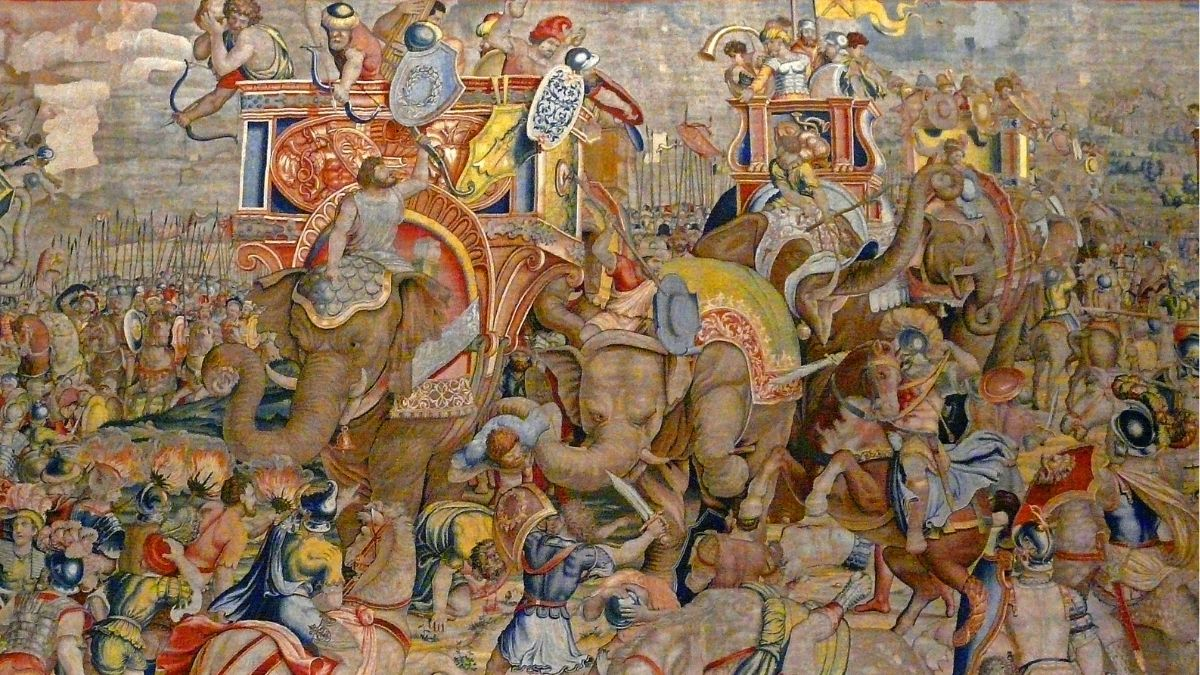
While literary and artistic sources have long depicted Hannibal’s elephants—described as massive, intimidating creatures used to terrify enemy troops—skeletal remains tied to these animals have been exceedingly rare in Europe. This foot bone could therefore be the first physical evidence confirming that such elephants were indeed present on the Iberian Peninsula during Hannibal’s campaign.
Further analyses, including DNA testing and isotopic studies, will be required to identify the species and possibly confirm its origin from North Africa, supporting the link to Hannibal’s army. If confirmed, the find would provide an unprecedented glimpse into the logistics, scale, and impact of one of antiquity’s most remarkable military expeditions.
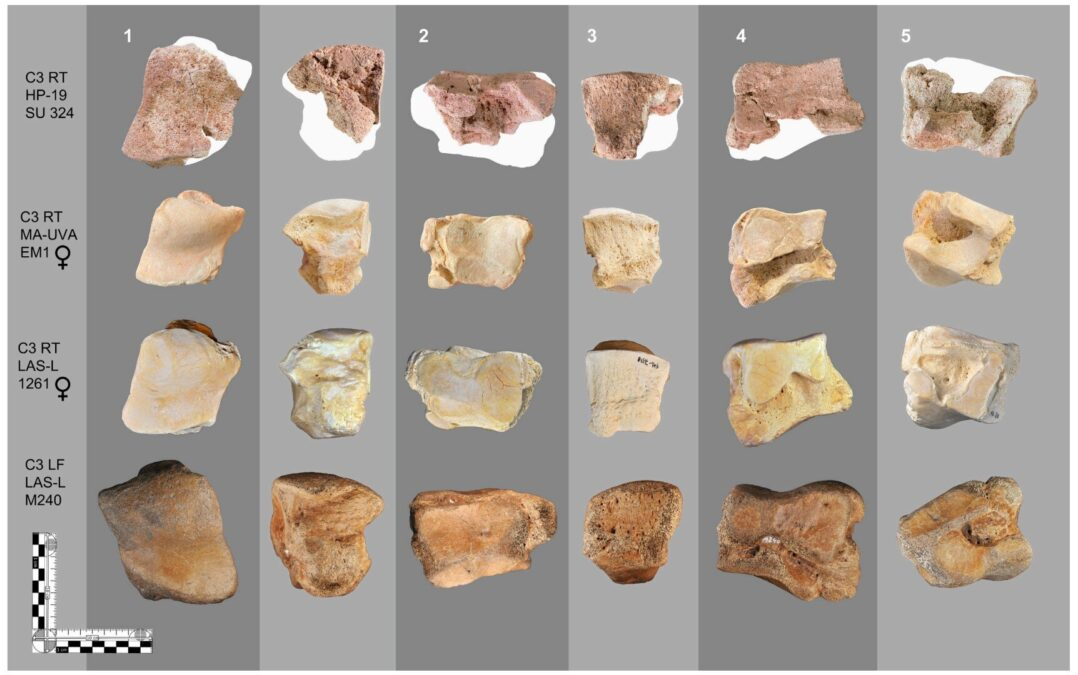
The team’s findings at Colina de los Quemados are helping to place Hannibal’s legendary campaign into a more concrete archaeological context. The elephant foot bone adds a rare and tangible link to the Carthaginian army, complementing previously recovered artifacts like coins, ceramics, and artillery projectiles, which already suggested a violent military presence.
“The destruction layer at Colina de los Quemados aligns closely with the timeframe of the Second Punic War, around 218 BCE,” said Rafael Martínez Sánchez of the University of Córdoba. “Combined with the elephant bone, these layers point to the site being more than a settlement—it may have been a battlefield or a temporary military encampment connected to Hannibal’s march through Iberia.”
If further analyses confirm the bone’s North African origin, it would be the first direct physical evidence of Hannibal’s famed war elephants on European soil, bridging centuries of literary accounts with archaeological reality. Such a discovery not only illuminates the logistical challenges of transporting elephants across rugged terrain but also underscores the profound cultural and military impact these animals had on the Mediterranean world.