• MAIN PAGE
  • LATEST NEWS
    • Lost Cities
    • Archaeology's Greatest Finds
    • Underwater Discoveries
    • Greatest Inventions
    • Studies
    • Blog
  • PHILOSOPHY
  • HISTORY
  • RELIGIONS
    • Africa
    • Anatolia
    • Arabian Peninsula
    • Balkan Region
    • China - East Asia
    • Europe
    • Eurasian Steppe
    • Levant
    • Mesopotamia
    • Oceania - SE Asia
    • Pre-Columbian Civilizations of America
    • Iranian Plateau - Central Asia
    • Indus Valley - South Asia
    • Japan
    • The Archaeologist Editor Group
    • Scientific Studies
    • Aegean Prehistory
    • Historical Period
    • Byzantine Middle Ages
    • Predynastic Period
    • Dynastic Period
    • Greco-Roman Egypt
  • Rome
  • PALEONTOLOGY
  • About us
Menu

The Archaeologist

  • MAIN PAGE
  • LATEST NEWS
  • DISCOVERIES
    • Lost Cities
    • Archaeology's Greatest Finds
    • Underwater Discoveries
    • Greatest Inventions
    • Studies
    • Blog
  • PHILOSOPHY
  • HISTORY
  • RELIGIONS
  • World Civilizations
    • Africa
    • Anatolia
    • Arabian Peninsula
    • Balkan Region
    • China - East Asia
    • Europe
    • Eurasian Steppe
    • Levant
    • Mesopotamia
    • Oceania - SE Asia
    • Pre-Columbian Civilizations of America
    • Iranian Plateau - Central Asia
    • Indus Valley - South Asia
    • Japan
    • The Archaeologist Editor Group
    • Scientific Studies
  • GREECE
    • Aegean Prehistory
    • Historical Period
    • Byzantine Middle Ages
  • Egypt
    • Predynastic Period
    • Dynastic Period
    • Greco-Roman Egypt
  • Rome
  • PALEONTOLOGY
  • About us

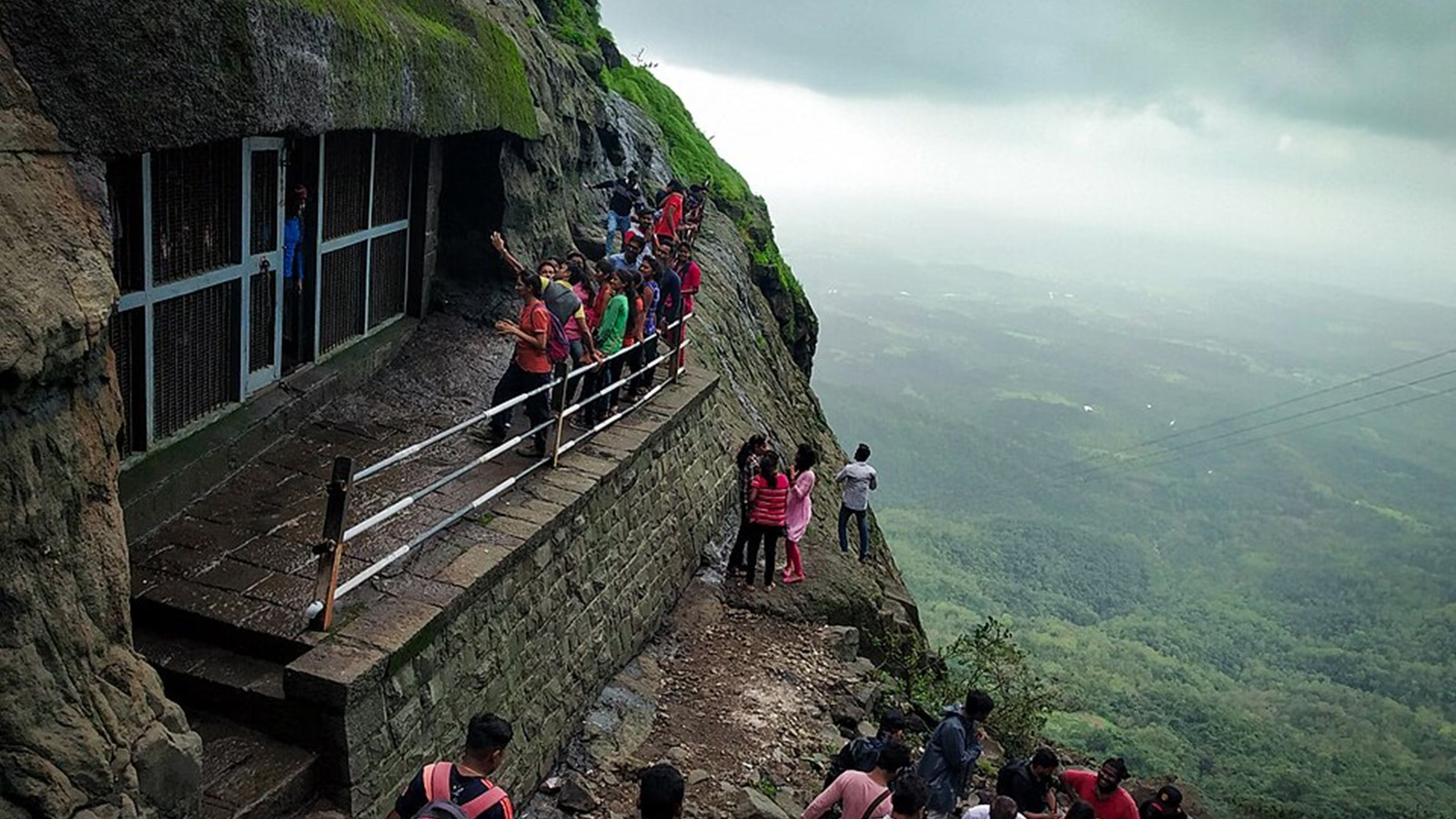
Located in the Western Ghats, the Naneghat Caves date back to the 1st century BCE and are associated with the Satavahana dynasty

Illegal structure found near Naneghat caves in Pune’s Junnar, FIR registered by ASI

February 16, 2026

Police have registered a case after an unauthorised structure was discovered near the Naneghat Caves in Pune district’s Junnar taluka. The complaint was filed by officials from the Archaeological Survey of India (ASI) under the Ancient Monuments and Archaeological Sites and Remains Act.

The Naneghat Caves, located in the Western Ghats, date to the 1st century BCE and are linked to the Satavahana dynasty. The site is known for its early Brahmi inscriptions and a historic mountain pass that once connected the Konkan coast with the Deccan plateau. As a protected monument, construction within 200 metres of its boundary is strictly prohibited, with boundary markers and warning boards in place.

During a routine patrol, an ASI team spotted a brick structure on the eastern side of the caves. When questioned, a man at the site allegedly admitted to building it but could not provide official permission. He was identified as Mahendra Kondiba Kharat, a resident of Ghatghar in Junnar.

Following directions from senior authorities, ASI official Abhishek Pal filed a First Information Report at the local police station. Inspector Kiran Awachar of Junnar police confirmed that a case has been registered, a notice has been issued to the accused, and an investigation is underway to determine how construction occurred within the protected zone.
← Archaeologists Found a 5,000-Year-Old Fortress That Nature Had Hidden for Centuries Zionist enemy delivers notice of "seizure" of archaeological site in Masafer Yatta, issues demolition orders for homes north of al-Quds Zionist →
Featured
image_2026-03-29_125757686.png
Apr 1, 2026
Ritual Feasting in the Ancient World
Apr 1, 2026
Read More →
Apr 1, 2026
image_2026-03-29_125706376.png
Apr 1, 2026
Ancient Mythical Creatures Inspired by Real Animals
Apr 1, 2026
Read More →
Apr 1, 2026
image_2026-03-29_125627825.png
Apr 1, 2026
The Oldest Maps of the Ancient World
Apr 1, 2026
Read More →
Apr 1, 2026
image_2026-03-29_125548859.png
Apr 1, 2026
Ancient Codes and Undeciphered Languages
Apr 1, 2026
Read More →
Apr 1, 2026
image_2026-03-29_125511005.png
Apr 1, 2026
The Secrets of Ancient Metallurgy
Apr 1, 2026
Read More →
Apr 1, 2026
image_2026-03-29_125250501.png
Apr 1, 2026
Ancient Civilizations of the Arctic Circle
Apr 1, 2026
Read More →
Apr 1, 2026
read more

Powered by The archaeologist