• MAIN PAGE
  • LATEST NEWS
    • Lost Cities
    • Archaeology's Greatest Finds
    • Underwater Discoveries
    • Greatest Inventions
    • Studies
    • Blog
  • PHILOSOPHY
  • HISTORY
  • RELIGIONS
    • Africa
    • Anatolia
    • Arabian Peninsula
    • Balkan Region
    • China - East Asia
    • Europe
    • Eurasian Steppe
    • Levant
    • Mesopotamia
    • Oceania - SE Asia
    • Pre-Columbian Civilizations of America
    • Iranian Plateau - Central Asia
    • Indus Valley - South Asia
    • Japan
    • The Archaeologist Editor Group
    • Scientific Studies
    • Aegean Prehistory
    • Historical Period
    • Byzantine Middle Ages
    • Predynastic Period
    • Dynastic Period
    • Greco-Roman Egypt
  • Rome
  • PALEONTOLOGY
  • About us
Menu

The Archaeologist

  • MAIN PAGE
  • LATEST NEWS
  • DISCOVERIES
    • Lost Cities
    • Archaeology's Greatest Finds
    • Underwater Discoveries
    • Greatest Inventions
    • Studies
    • Blog
  • PHILOSOPHY
  • HISTORY
  • RELIGIONS
  • World Civilizations
    • Africa
    • Anatolia
    • Arabian Peninsula
    • Balkan Region
    • China - East Asia
    • Europe
    • Eurasian Steppe
    • Levant
    • Mesopotamia
    • Oceania - SE Asia
    • Pre-Columbian Civilizations of America
    • Iranian Plateau - Central Asia
    • Indus Valley - South Asia
    • Japan
    • The Archaeologist Editor Group
    • Scientific Studies
  • GREECE
    • Aegean Prehistory
    • Historical Period
    • Byzantine Middle Ages
  • Egypt
    • Predynastic Period
    • Dynastic Period
    • Greco-Roman Egypt
  • Rome
  • PALEONTOLOGY
  • About us
No results found

Forgotten Epirote Healing Springs in Vitsa

November 22, 2026

Springs and traditional healing practices

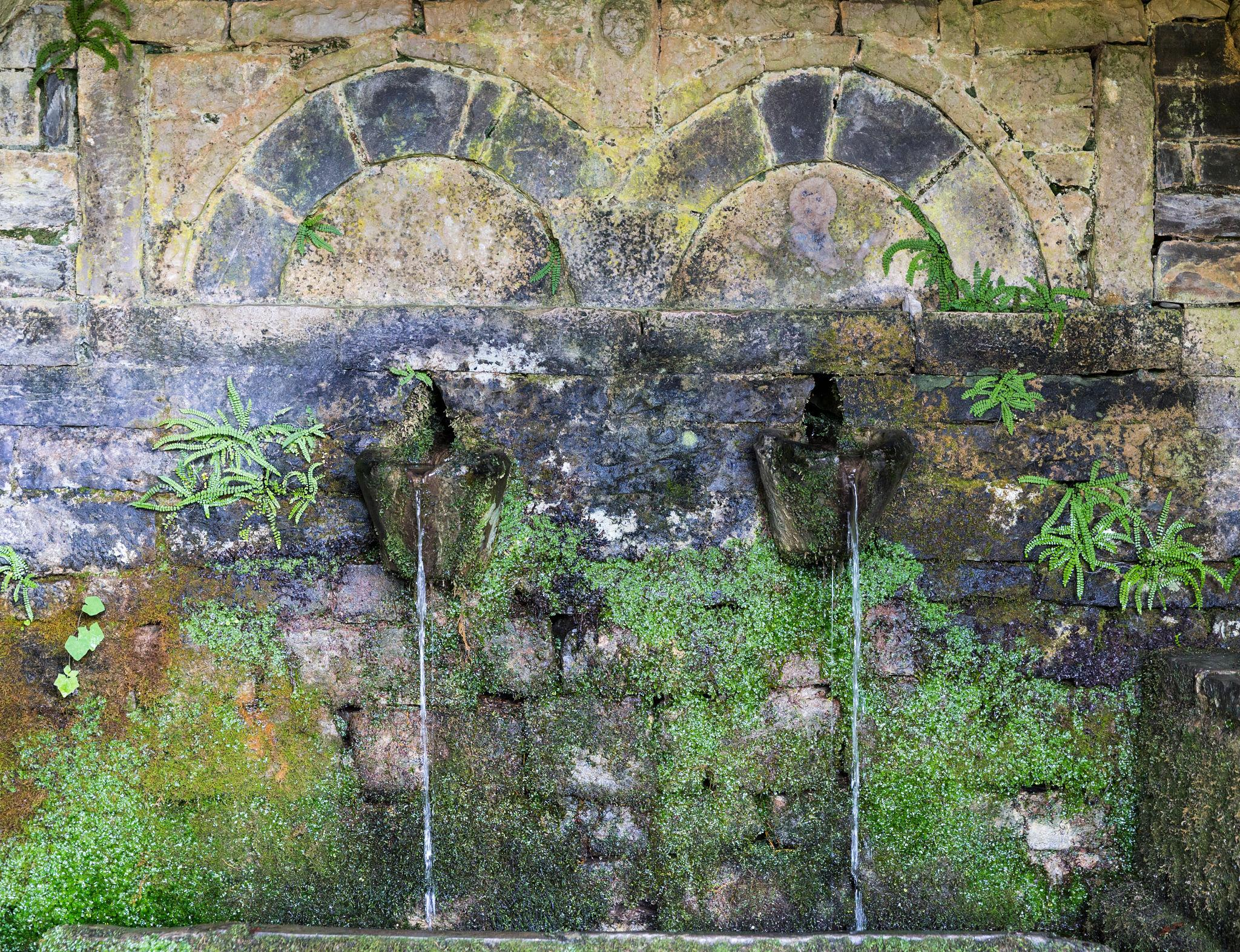
Water has held practical, religious, and symbolic importance throughout Greek history. Natural springs, wells, rivers, and fountains were often essential to settlements and could become associated with local beliefs about health, purity, fertility, and protection.

In rural communities, springs sometimes acquired reputations for particular benefits. Such beliefs could be connected to the taste, temperature, mineral content, appearance, or perceived effects of the water.

The village of Vitsa in the Zagori region of Epirus is situated within a landscape characterized by mountainous terrain, stone architecture, and historical settlement patterns. Water sources would have been important to everyday life, agriculture, livestock, and the organization of village spaces.

Healing beliefs and local knowledge

Traditional healing practices often combined practical knowledge with spiritual or symbolic beliefs. People might visit a spring for bathing, drinking, prayer, or rituals intended to support recovery from illness.

In some traditions, water was believed to possess special qualities at particular times or under certain conditions. These beliefs could involve saints, religious feast days, local legends, or stories about the origins of the spring.

However, historical healing beliefs should be distinguished from scientifically established medical effects. The cultural significance of a spring does not establish that its water can cure disease.

Springs as social spaces

Water sources were also gathering places. People visiting a spring might exchange news, socialize, carry water, wash materials, or tend livestock. These activities created social relationships that connected the spring to the wider life of the community.

The physical environment could reinforce the importance of a water source. A spring located near a path, settlement entrance, church, or agricultural area might become a familiar point of daily interaction.

Ethnographic importance

A study of traditional healing springs in Vitsa would involve documenting oral histories, local place names, legends, ritual practices, and the physical characteristics of the springs.

Such research could reveal how environmental resources became part of cultural memory and how communities interpreted the relationship between nature, health, religion, and everyday life.

The subject would also be relevant to the conservation of traditional water infrastructure, especially where older springs and fountains have been replaced, abandoned, or altered.

← Obscure Maniot Knife Dances in a Mystras HamletHidden Tsakonian Harvest Chants in Leonidio →
Featured
image_2026-11-19_214108362.png
November 22, 2026
Forgotten Roman Chain Links in a Skiathos Cove
November 22, 2026
Read more →
November 22, 2026
image_2026-11-19_214326666.png
November 22, 2026
Hidden Cycladic Pegs in a Seriphos Attic Beam
November 22, 2026
Read more →
November 22, 2026
image_2026-11-19_214513977.png
November 22, 2026
Hidden Hellenistic Bricks in Kozani Side Streets
November 22, 2026
Read more →
November 22, 2026
image_2026-11-19_214554639.png
November 22, 2026
Forgotten Minoan Pits in a Petras Garden
November 22, 2026
Read more →
November 22, 2026
image_2026-11-19_214632804.png
November 22, 2026
Hidden Fresco Underpaint in an Ikaria Chapel
November 22, 2026
Read more →
November 22, 2026
image_2026-11-19_214710478.png
November 22, 2026
Obscure Road Pegs in a Serifos Field Path
November 22, 2026
Read more →
November 22, 2026
read more

Powered by The archaeologist