
• MAIN PAGE
  • LATEST NEWS
    • Lost Cities
    • Archaeology's Greatest Finds
    • Underwater Discoveries
    • Greatest Inventions
    • Studies
    • Blog
  • PHILOSOPHY
  • HISTORY
  • RELIGIONS
    • Africa
    • Anatolia
    • Arabian Peninsula
    • Balkan Region
    • China - East Asia
    • Europe
    • Eurasian Steppe
    • Levant
    • Mesopotamia
    • Oceania - SE Asia
    • Pre-Columbian Civilizations of America
    • Iranian Plateau - Central Asia
    • Indus Valley - South Asia
    • Japan
    • The Archaeologist Editor Group
    • Scientific Studies
    • Aegean Prehistory
    • Historical Period
    • Byzantine Middle Ages
    • Predynastic Period
    • Dynastic Period
    • Greco-Roman Egypt
  • Rome
  • PALEONTOLOGY
  • About us
Menu

The Archaeologist

  • MAIN PAGE
  • LATEST NEWS
  • DISCOVERIES
    • Lost Cities
    • Archaeology's Greatest Finds
    • Underwater Discoveries
    • Greatest Inventions
    • Studies
    • Blog
  • PHILOSOPHY
  • HISTORY
  • RELIGIONS
  • World Civilizations
    • Africa
    • Anatolia
    • Arabian Peninsula
    • Balkan Region
    • China - East Asia
    • Europe
    • Eurasian Steppe
    • Levant
    • Mesopotamia
    • Oceania - SE Asia
    • Pre-Columbian Civilizations of America
    • Iranian Plateau - Central Asia
    • Indus Valley - South Asia
    • Japan
    • The Archaeologist Editor Group
    • Scientific Studies
  • GREECE
    • Aegean Prehistory
    • Historical Period
    • Byzantine Middle Ages
  • Egypt
    • Predynastic Period
    • Dynastic Period
    • Greco-Roman Egypt
  • Rome
  • PALEONTOLOGY
  • About us
No results found

Obscure Amber in Prespa Riverbanks

November 28, 2026

Amber and its organic origin

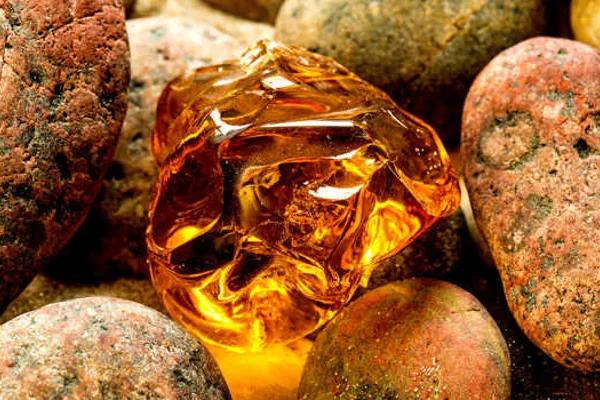
Amber is fossilized tree resin that has undergone chemical and physical changes over geological time. Unlike ordinary minerals that form through inorganic processes, amber originates from organic material produced by trees.

Resin can trap insects, plant fragments, pollen, and other small organisms. When the resin becomes buried and undergoes prolonged alteration, it may harden into amber.

The color of amber varies from pale yellow and honey-colored to orange, reddish brown, and darker shades. Some pieces are transparent, while others are opaque or contain visible inclusions.

Amber preservation and geological conditions

The preservation of amber depends on the burial environment and the chemical stability of the resin. Sediment can protect resin from rapid degradation, while changes in pressure, temperature, and chemical conditions contribute to its transformation.

Amber may occur within sedimentary deposits and can sometimes be transported by rivers or coastal processes. Its present location may therefore differ from the environment in which the resin originally accumulated.

Riverbanks can expose sediment layers and reveal materials that have been buried for long periods. Erosion and water movement may also transport pieces of amber downstream.

Prespa and the river environment

The Prespa region is known for its lakes, wetlands, geological landscapes, and biodiversity. The area includes environments shaped by water, sediment, tectonic processes, and changes in the landscape over time.

The title's reference to amber on Prespa riverbanks is hypothetical. Amber is not established merely because organic-looking or yellowish material is found in river sediment.

A potential specimen would need to be examined to distinguish amber from other materials such as resin, plastics, organic fragments, or mineral substances that may have a similar appearance.

Scientific importance of amber

Amber can provide valuable information about ancient ecosystems. Inclusions may preserve organisms and plant material that offer evidence about the environments in which the resin was produced.

A hypothetical amber occurrence near Prespa could be significant if it were associated with a well-documented sedimentary deposit. Researchers would investigate its origin, age, composition, and possible relationship with ancient vegetation.

The discovery could also contribute to understanding sediment transport and the geological history of the Prespa region.


← Hidden Peridot in Parnon RocksHidden Turquoise in Thasos Marble →
Featured
image_2026-11-19_213714038.png
November 28, 2026
Forgotten Byzantine Tiles in a Karpathos Hill Chapel
November 28, 2026
Read more →
November 28, 2026
image_2026-11-19_213753883.png
November 28, 2026
Hidden Venetian Drain Pipes in a Spetses Townhouse
November 28, 2026
Read more →
November 28, 2026
image_2026-11-19_213831169.png
November 28, 2026
Little-Known Ottoman Well Rims in Kastellorizo Towers
November 28, 2026
Read more →
November 28, 2026
image_2026-11-19_213905700.png
November 28, 2026
Obscure Minoan Jars in a Kavala Farmhouse Cellar
November 28, 2026
Read more →
November 28, 2026
image_2026-11-23_155132050.png
November 28, 2026
Obscure Moonstone in Schinoussa Inlets
November 28, 2026
Read more →
November 28, 2026
image_2026-11-23_155216642.png
November 28, 2026
Hidden Hematite in an Othrys Gully
November 28, 2026
Read more →
November 28, 2026
read more

Powered by The archaeologist



