Shepherds and the interpretation of the sky
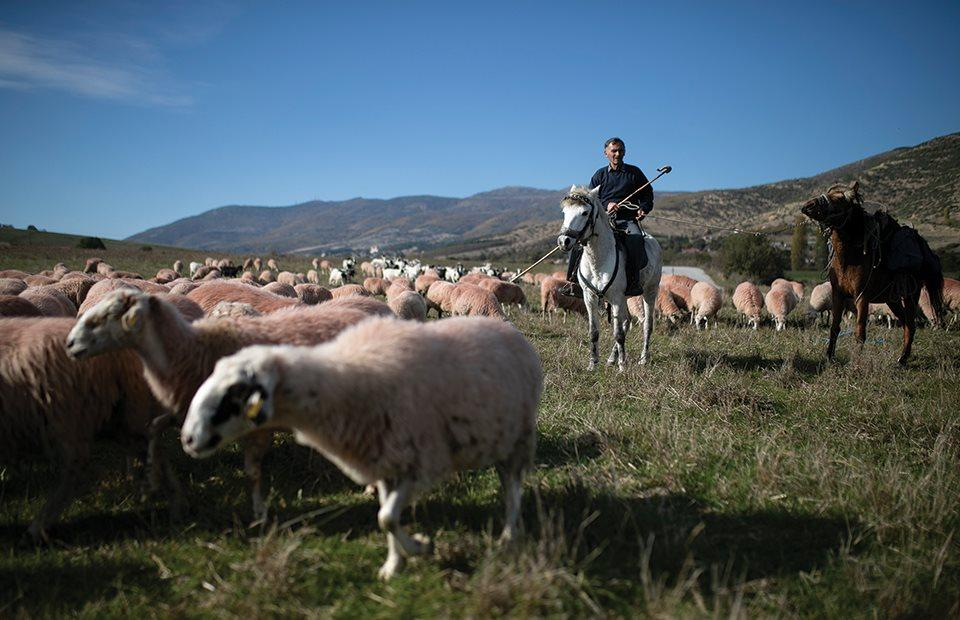
Pastoral communities in the Pindos Mountains historically relied on close observation of the natural environment. Shepherds spent long periods outdoors, moving animals between seasonal grazing areas and adapting to changing weather, terrain, and available resources. Knowledge of the sky was therefore closely connected to survival and daily work.
Cloud formations, wind direction, temperature changes, the appearance of the moon, and the behavior of animals could all be used as signs for anticipating weather conditions. Such observations formed part of practical environmental knowledge transmitted between generations.
Vlach-speaking pastoral communities have historically been associated with livestock raising, seasonal movement, mountain settlements, and a rich oral culture. Their knowledge was not necessarily written down but preserved through experience, language, stories, and community interaction.
Sky signs as oral knowledge
The idea of shepherd sky signs can be understood as a combination of traditional meteorological observation and folklore. Particular clouds might be associated with approaching rain, strong winds, or changing temperatures. The color of the sky at sunrise or sunset could be interpreted as a warning about the following day's conditions.
These interpretations were often shaped by the local environment. A sign that was meaningful in one mountain valley might not have the same practical value elsewhere because of differences in elevation, wind patterns, and seasonal conditions.
The symbolic meaning of sky signs could also extend beyond weather prediction. Some traditions associated celestial events with fortune, misfortune, seasonal change, or the behavior of the natural world.
Oral transmission and cultural identity
Traditional environmental knowledge was commonly transmitted through observation and conversation. Younger shepherds learned from older family members or experienced herders, developing an understanding of the landscape through repeated exposure.
This process was important because pastoral life depended on collective knowledge. A community's ability to interpret weather conditions, identify grazing areas, and respond to seasonal changes could affect livestock health and household survival.
The language used to describe clouds, winds, stars, and weather patterns may also preserve distinctive cultural vocabulary. Such terminology can be valuable for ethnographic and linguistic research.
Cultural significance
A study of Vlach shepherd sky signs in Pindos would connect environmental knowledge with folklore, pastoral history, and oral tradition. It would demonstrate that traditional beliefs were often grounded in practical observation while also carrying symbolic meanings.
The subject would be particularly relevant to research on how rural communities developed systems of knowledge through experience and preserved them through cultural transmission.