• MAIN PAGE
  • LATEST NEWS
    • Lost Cities
    • Archaeology's Greatest Finds
    • Underwater Discoveries
    • Greatest Inventions
    • Studies
    • Blog
  • PHILOSOPHY
  • HISTORY
  • RELIGIONS
    • Africa
    • Anatolia
    • Arabian Peninsula
    • Balkan Region
    • China - East Asia
    • Europe
    • Eurasian Steppe
    • Levant
    • Mesopotamia
    • Oceania - SE Asia
    • Pre-Columbian Civilizations of America
    • Iranian Plateau - Central Asia
    • Indus Valley - South Asia
    • Japan
    • The Archaeologist Editor Group
    • Scientific Studies
    • Aegean Prehistory
    • Historical Period
    • Byzantine Middle Ages
    • Predynastic Period
    • Dynastic Period
    • Greco-Roman Egypt
  • Rome
  • PALEONTOLOGY
  • About us
Menu

The Archaeologist

  • MAIN PAGE
  • LATEST NEWS
  • DISCOVERIES
    • Lost Cities
    • Archaeology's Greatest Finds
    • Underwater Discoveries
    • Greatest Inventions
    • Studies
    • Blog
  • PHILOSOPHY
  • HISTORY
  • RELIGIONS
  • World Civilizations
    • Africa
    • Anatolia
    • Arabian Peninsula
    • Balkan Region
    • China - East Asia
    • Europe
    • Eurasian Steppe
    • Levant
    • Mesopotamia
    • Oceania - SE Asia
    • Pre-Columbian Civilizations of America
    • Iranian Plateau - Central Asia
    • Indus Valley - South Asia
    • Japan
    • The Archaeologist Editor Group
    • Scientific Studies
  • GREECE
    • Aegean Prehistory
    • Historical Period
    • Byzantine Middle Ages
  • Egypt
    • Predynastic Period
    • Dynastic Period
    • Greco-Roman Egypt
  • Rome
  • PALEONTOLOGY
  • About us
No results found

Hidden Illusoria in a Small Aegina Chapel

November 22, 2026

Illusoria and the visual transformation of sacred space

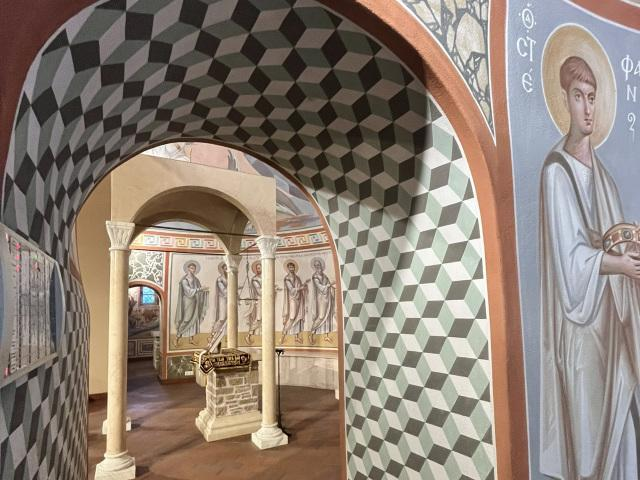
The term illusoria in this title can be interpreted as illusionistic decorative painting, particularly painting designed to create an appearance of architectural depth, realistic surfaces, or visual extension beyond the physical wall.

Illusionistic painting has appeared in several artistic traditions throughout the Mediterranean. Artists have used painted columns, frames, windows, arches, marble patterns, and perspective effects to transform interior spaces. These techniques could make a room appear more elaborate or create the impression of architectural features that were not physically present.

A small chapel on Aegina containing hidden illusionistic painting beneath later decoration would offer a hypothetical opportunity to study how sacred spaces were visually transformed over time.

Painted architecture and religious interiors

Religious buildings often accumulated layers of decoration through renovations, repairs, and changes in artistic preference. A wall might contain an older painting covered by later plaster or paint. Conservation work can sometimes reveal earlier layers that were not visible from the surface.

Illusionistic elements might include painted architectural frames, faux stone surfaces, decorative niches, or patterns that create a sense of depth. Their purpose could be aesthetic, symbolic, or connected to the organization of the sacred interior.

The island context

Aegina has a long history of cultural interaction within the Saronic Gulf and the wider Greek world. Its religious buildings reflect different periods of artistic development and architectural change.

If illusionistic painting were discovered beneath a chapel's later decoration, researchers would need to establish its date, identify the pigments, and compare its style with other regional examples. The painting could reflect local craftsmanship, wider artistic influences, or the work of itinerant painters.

Conservation and interpretation

Hidden paintings require careful conservation. Removing later layers without proper assessment could damage fragile surfaces or destroy valuable evidence of the building's history.

A hypothetical discovery of illusionistic painting in a small Aegina chapel would therefore contribute to the study of religious art, restoration practices, and the changing visual character of sacred spaces. It would also demonstrate how architectural interiors can preserve evidence of several periods of artistic activity.

← Obscure Loom Weights in an Epirus FarmHidden Vlach Shepherd Sky Signs in Pindos →
Featured
image_2026-11-19_214108362.png
November 22, 2026
Forgotten Roman Chain Links in a Skiathos Cove
November 22, 2026
Read more →
November 22, 2026
image_2026-11-19_214326666.png
November 22, 2026
Hidden Cycladic Pegs in a Seriphos Attic Beam
November 22, 2026
Read more →
November 22, 2026
image_2026-11-19_214513977.png
November 22, 2026
Hidden Hellenistic Bricks in Kozani Side Streets
November 22, 2026
Read more →
November 22, 2026
image_2026-11-19_214554639.png
November 22, 2026
Forgotten Minoan Pits in a Petras Garden
November 22, 2026
Read more →
November 22, 2026
image_2026-11-19_214632804.png
November 22, 2026
Hidden Fresco Underpaint in an Ikaria Chapel
November 22, 2026
Read more →
November 22, 2026
image_2026-11-19_214710478.png
November 22, 2026
Obscure Road Pegs in a Serifos Field Path
November 22, 2026
Read more →
November 22, 2026
read more

Powered by The archaeologist