• MAIN PAGE
  • LATEST NEWS
    • Lost Cities
    • Archaeology's Greatest Finds
    • Underwater Discoveries
    • Greatest Inventions
    • Studies
    • Blog
  • PHILOSOPHY
  • HISTORY
  • RELIGIONS
    • Africa
    • Anatolia
    • Arabian Peninsula
    • Balkan Region
    • China - East Asia
    • Europe
    • Eurasian Steppe
    • Levant
    • Mesopotamia
    • Oceania - SE Asia
    • Pre-Columbian Civilizations of America
    • Iranian Plateau - Central Asia
    • Indus Valley - South Asia
    • Japan
    • The Archaeologist Editor Group
    • Scientific Studies
    • Aegean Prehistory
    • Historical Period
    • Byzantine Middle Ages
    • Predynastic Period
    • Dynastic Period
    • Greco-Roman Egypt
  • Rome
  • PALEONTOLOGY
  • About us
Menu

The Archaeologist

  • MAIN PAGE
  • LATEST NEWS
  • DISCOVERIES
    • Lost Cities
    • Archaeology's Greatest Finds
    • Underwater Discoveries
    • Greatest Inventions
    • Studies
    • Blog
  • PHILOSOPHY
  • HISTORY
  • RELIGIONS
  • World Civilizations
    • Africa
    • Anatolia
    • Arabian Peninsula
    • Balkan Region
    • China - East Asia
    • Europe
    • Eurasian Steppe
    • Levant
    • Mesopotamia
    • Oceania - SE Asia
    • Pre-Columbian Civilizations of America
    • Iranian Plateau - Central Asia
    • Indus Valley - South Asia
    • Japan
    • The Archaeologist Editor Group
    • Scientific Studies
  • GREECE
    • Aegean Prehistory
    • Historical Period
    • Byzantine Middle Ages
  • Egypt
    • Predynastic Period
    • Dynastic Period
    • Greco-Roman Egypt
  • Rome
  • PALEONTOLOGY
  • About us
No results found

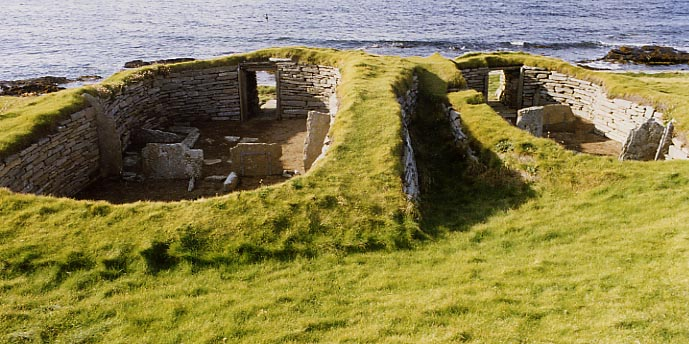
Holm of Papa Westray: Orkney's Neolithic Farmstead

August 31, 2026

The Holm of Papa Westray is associated with the prehistoric settlement and agricultural landscape of Papa Westray in Orkney.

The island contains important evidence for Neolithic farming and domestic life, providing insight into how prehistoric communities established settlements within a challenging northern island environment.

Neolithic Life on Papa Westray

By approximately 5,000 years ago, communities in Orkney had developed agricultural economies.

They combined:

  • crop cultivation;

  • livestock raising;

  • fishing;

  • shellfish collection;

  • and gathering.

The Farmstead

A Neolithic farmstead would have required permanent or semi-permanent structures.

These could include:

  • houses;

  • storage areas;

  • working spaces;

  • animal areas;

  • and food-processing facilities.

Stone Architecture

Stone was the primary building material in Orkney.

The islands had limited woodland, making timber less suitable for large permanent buildings.

Stone provided:

  • durability;

  • insulation;

  • and protection from wind.

Agriculture

Cereals were important.

Barley was especially well suited to the cool climate.

People could grind grain into meal using stone tools.

Livestock

Animals provided multiple resources.

Cattle, sheep, goats, and pigs could provide:

  • meat;

  • milk;

  • hides;

  • bones;

  • and labor.

Marine Resources

Farming did not eliminate coastal exploitation.

People living on Papa Westray could obtain:

  • fish;

  • shellfish;

  • seabirds;

  • and marine mammals.

The Importance of Islands

Island communities had to carefully manage resources.

They could not always depend on importing food.

This encouraged diversified economies.

Seasonal Activity

Some resources were strongly seasonal.

For example:

  • seabirds nested during particular periods;

  • fish populations changed seasonally;

  • crops were harvested at specific times;

  • and livestock management followed annual cycles.

Community Organization

Building stone houses and maintaining agricultural land required cooperation.

Families or households had to coordinate:

  • farming;

  • construction;

  • food storage;

  • and animal management.

Why Farmsteads Matter Archaeologically

Large monuments often dominate archaeological discussions.

However, farmsteads reveal how ordinary people lived.

They provide evidence for:

  • cooking;

  • sleeping;

  • farming;

  • storage;

  • craft production;

  • and household organization.

Conclusion

The Neolithic farmstead landscape of Papa Westray demonstrates that prehistoric Orkney was not only a place of monumental tombs and stone circles.

It was also a landscape of farms and households.

People created durable homes, cultivated crops, raised animals, and exploited the sea, establishing a sustainable way of life in one of northern Europe's most demanding environments.
← Knowe of Rowie: Rousay's Wedge-Shaped CairnKnap of Trewieglen: Westray's Neolithic Houses →
Featured
image_2026-08-25_001355140.png
August 31, 2026
Mount Sandel: Northern Ireland's 9,000-Year Settlement
August 31, 2026
Read more →
August 31, 2026
image_2026-08-25_001215052.png
August 31, 2026
Star Carr: England's 10,700-Year Mesolithic Lakeside Camp
August 31, 2026
Read more →
August 31, 2026
image_2026-08-25_001438686.png
August 31, 2026
Staosnaig: Scotland's 6,000-Year Shell Midden
August 31, 2026
Read more →
August 31, 2026
image_2026-08-25_001541318.png
August 31, 2026
Barnhouse: Orkney's Neolithic Village and Standing Stones
August 31, 2026
Read more →
August 31, 2026
image_2026-08-25_001752145.png
August 31, 2026
Links of Noltland: Orkney's 5,000-Year Stone House
August 31, 2026
Read more →
August 31, 2026
image_2026-08-25_001848207.png
August 31, 2026
Skara Brae: Orkney's 5,100-Year Underground Village
August 31, 2026
Read more →
August 31, 2026
read more

Powered by The archaeologist