• MAIN PAGE
  • LATEST NEWS
    • Lost Cities
    • Archaeology's Greatest Finds
    • Underwater Discoveries
    • Greatest Inventions
    • Studies
    • Blog
  • PHILOSOPHY
  • HISTORY
  • RELIGIONS
    • Africa
    • Anatolia
    • Arabian Peninsula
    • Balkan Region
    • China - East Asia
    • Europe
    • Eurasian Steppe
    • Levant
    • Mesopotamia
    • Oceania - SE Asia
    • Pre-Columbian Civilizations of America
    • Iranian Plateau - Central Asia
    • Indus Valley - South Asia
    • Japan
    • The Archaeologist Editor Group
    • Scientific Studies
    • Aegean Prehistory
    • Historical Period
    • Byzantine Middle Ages
    • Predynastic Period
    • Dynastic Period
    • Greco-Roman Egypt
  • Rome
  • PALEONTOLOGY
  • About us
Menu

The Archaeologist

  • MAIN PAGE
  • LATEST NEWS
  • DISCOVERIES
    • Lost Cities
    • Archaeology's Greatest Finds
    • Underwater Discoveries
    • Greatest Inventions
    • Studies
    • Blog
  • PHILOSOPHY
  • HISTORY
  • RELIGIONS
  • World Civilizations
    • Africa
    • Anatolia
    • Arabian Peninsula
    • Balkan Region
    • China - East Asia
    • Europe
    • Eurasian Steppe
    • Levant
    • Mesopotamia
    • Oceania - SE Asia
    • Pre-Columbian Civilizations of America
    • Iranian Plateau - Central Asia
    • Indus Valley - South Asia
    • Japan
    • The Archaeologist Editor Group
    • Scientific Studies
  • GREECE
    • Aegean Prehistory
    • Historical Period
    • Byzantine Middle Ages
  • Egypt
    • Predynastic Period
    • Dynastic Period
    • Greco-Roman Egypt
  • Rome
  • PALEONTOLOGY
  • About us
No results found

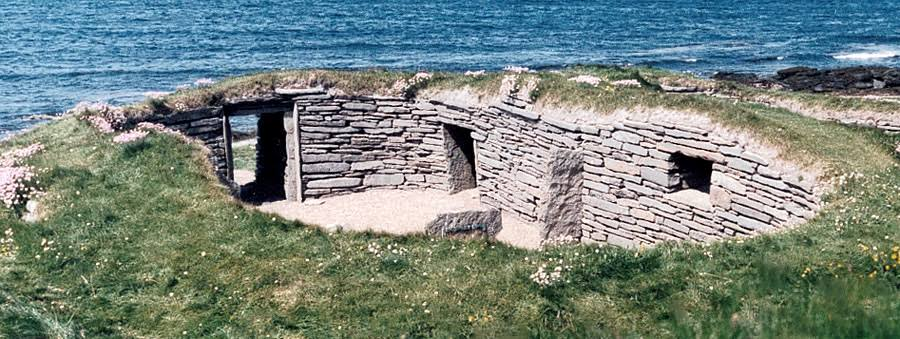
Knap of Trewieglen: Westray's Neolithic Houses

August 31, 2026

The Knap of Trewieglen is associated with the Neolithic settlement landscape of Westray in Orkney.

The site's houses provide valuable evidence for the domestic architecture of prehistoric island communities and help demonstrate how Neolithic Orcadians created permanent living spaces from locally available stone.

Westray's Neolithic Communities

Westray was home to farming communities thousands of years ago.

The island offered:

  • fertile land;

  • grazing areas;

  • marine resources;

  • freshwater;

  • and abundant building stone.

Stone Houses

The houses were constructed from stone rather than relying heavily on timber.

This was a logical response to the local environment.

Stone walls provided excellent protection against:

  • wind;

  • rain;

  • and cold temperatures.

Internal Organization

Neolithic houses could contain:

  • central hearths;

  • sleeping platforms;

  • storage areas;

  • and working spaces.

The arrangement of these features reveals how domestic activities were organized.

The Hearth

The hearth was often the center of household life.

It provided:

  • heat;

  • light;

  • cooking;

  • and a place for social interaction.

Food Production

The inhabitants combined agriculture with other food sources.

Their diet could include:

  • cereals;

  • livestock;

  • fish;

  • shellfish;

  • and wild plants.

Pottery

Ceramic vessels were essential for food preparation and storage.

Pottery fragments can help archaeologists reconstruct:

  • cooking practices;

  • cultural traditions;

  • and trade connections.

Tools

Stone tools were used for:

  • woodworking;

  • butchering;

  • food processing;

  • hunting;

  • and craft production.

Households

A house was not simply a physical structure.

It was the center of:

  • family life;

  • food production;

  • social relationships;

  • and identity.

Coastal Connections

Westray's residents could access the sea relatively easily.

This created an economy combining:

farm + coast + livestock + marine resources.

Why the Houses Matter

Domestic structures provide an alternative perspective to monumental archaeology.

Instead of focusing on tombs and ceremonial sites, they reveal everyday life.

Conclusion

The Neolithic houses associated with the Knap of Trewieglen demonstrate how Westray's inhabitants adapted architecture to the northern island environment.

Their stone homes provided protection, while their agricultural and marine economy allowed them to establish stable communities.

These houses remind us that behind Orkney's famous monuments were ordinary households whose daily activities made monumental society possible.

← Holm of Papa Westray: Orkney's Neolithic FarmsteadPool Site: Sanday's Multi-Period Settlement →
Featured
image_2026-08-25_001355140.png
August 31, 2026
Mount Sandel: Northern Ireland's 9,000-Year Settlement
August 31, 2026
Read more →
August 31, 2026
image_2026-08-25_001215052.png
August 31, 2026
Star Carr: England's 10,700-Year Mesolithic Lakeside Camp
August 31, 2026
Read more →
August 31, 2026
image_2026-08-25_001438686.png
August 31, 2026
Staosnaig: Scotland's 6,000-Year Shell Midden
August 31, 2026
Read more →
August 31, 2026
image_2026-08-25_001541318.png
August 31, 2026
Barnhouse: Orkney's Neolithic Village and Standing Stones
August 31, 2026
Read more →
August 31, 2026
image_2026-08-25_001752145.png
August 31, 2026
Links of Noltland: Orkney's 5,000-Year Stone House
August 31, 2026
Read more →
August 31, 2026
image_2026-08-25_001848207.png
August 31, 2026
Skara Brae: Orkney's 5,100-Year Underground Village
August 31, 2026
Read more →
August 31, 2026
read more

Powered by The archaeologist