• MAIN PAGE
  • LATEST NEWS
    • Lost Cities
    • Archaeology's Greatest Finds
    • Underwater Discoveries
    • Greatest Inventions
    • Studies
    • Blog
  • PHILOSOPHY
  • HISTORY
  • RELIGIONS
    • Africa
    • Anatolia
    • Arabian Peninsula
    • Balkan Region
    • China - East Asia
    • Europe
    • Eurasian Steppe
    • Levant
    • Mesopotamia
    • Oceania - SE Asia
    • Pre-Columbian Civilizations of America
    • Iranian Plateau - Central Asia
    • Indus Valley - South Asia
    • Japan
    • The Archaeologist Editor Group
    • Scientific Studies
    • Aegean Prehistory
    • Historical Period
    • Byzantine Middle Ages
    • Predynastic Period
    • Dynastic Period
    • Greco-Roman Egypt
  • Rome
  • PALEONTOLOGY
  • About us
Menu

The Archaeologist

  • MAIN PAGE
  • LATEST NEWS
  • DISCOVERIES
    • Lost Cities
    • Archaeology's Greatest Finds
    • Underwater Discoveries
    • Greatest Inventions
    • Studies
    • Blog
  • PHILOSOPHY
  • HISTORY
  • RELIGIONS
  • World Civilizations
    • Africa
    • Anatolia
    • Arabian Peninsula
    • Balkan Region
    • China - East Asia
    • Europe
    • Eurasian Steppe
    • Levant
    • Mesopotamia
    • Oceania - SE Asia
    • Pre-Columbian Civilizations of America
    • Iranian Plateau - Central Asia
    • Indus Valley - South Asia
    • Japan
    • The Archaeologist Editor Group
    • Scientific Studies
  • GREECE
    • Aegean Prehistory
    • Historical Period
    • Byzantine Middle Ages
  • Egypt
    • Predynastic Period
    • Dynastic Period
    • Greco-Roman Egypt
  • Rome
  • PALEONTOLOGY
  • About us

Medieval Burial Sites in Denmark Show Illness Didn’t Erase Social Status

February 12, 2026

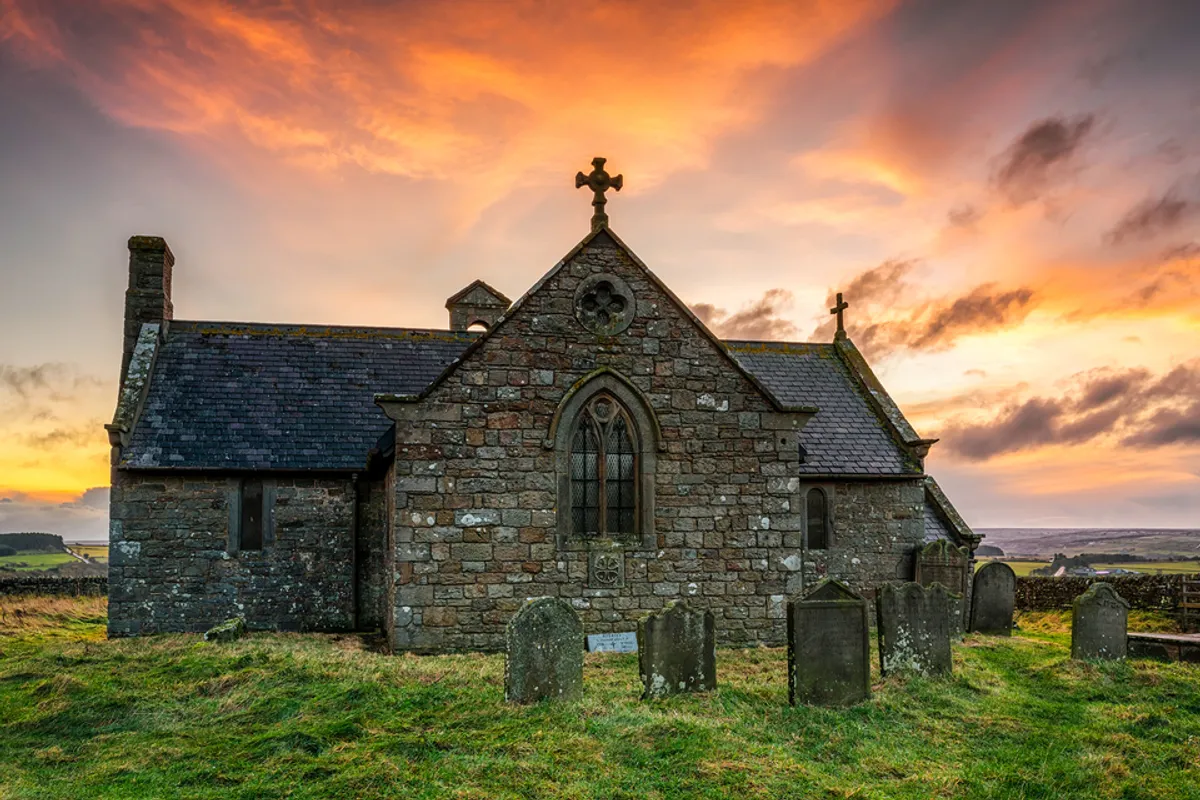
In medieval Denmark, burial location often reflected wealth and status: graves closer to church walls—or even inside the church—cost more and signaled prestige. But how were the sick treated, especially those with visible diseases like leprosy or tuberculosis? A new study in Frontiers in Environmental Archaeology shows the answer is more nuanced than expected.

Researchers examined 939 adult skeletons from five Danish cemeteries, including three urban sites and two rural ones, looking for skeletal evidence of leprosy (which affects the face, hands, and feet) and tuberculosis (which can impact bones near the lungs and joints, sometimes without obvious outward signs).

Surprisingly, illness did not consistently lead to exclusion from high-status burial areas. Many individuals with leprosy or tuberculosis were buried alongside their neighbors near churches and monasteries, just like healthy individuals. In several urban cemeteries, a large proportion of tuberculosis cases were found in prestigious plots. At one site, over half of those in high-status graves showed signs of tuberculosis.

The only exception was the town of Ribe, where fewer sick individuals were found in church or monastery plots. Researchers suggest this may reflect differences in exposure and survival: wealthier individuals could afford better housing and nutrition, which may have allowed them to live long enough for tuberculosis to leave detectable marks on their bones, ironically making them more visible in the archaeological record.

“Medieval communities were variable in their responses,” said Saige Kelmelis, lead author of the study. “For several communities, those who were sick were buried alongside their neighbors and given the same treatment as anyone else.”

The study challenges the stereotype of medieval society as uniformly harsh toward the ill. While wealth could influence burial location, illness alone did not automatically erase status, even in death. Kelmelis notes that genomic analyses could reveal more about disease prevalence, but for now, Danish cemeteries suggest a more inclusive approach to the sick than previously assumed.
← The surprising origins of Britain's Bronze Age immigrants revealedRules of mysterious ancient board game decoded by AI, scientists say →
Featured
image_2026-02-12_195126516.png
Feb 12, 2026
Arab Silver Coins in Russia Highlight Medieval Trade Links
Feb 12, 2026
Read More →
Feb 12, 2026
image_2026-02-12_192509861.png
Feb 12, 2026
Appeal launched to keep Bronze Age treasure in Staffordshire
Feb 12, 2026
Read More →
Feb 12, 2026
image_2026-02-12_191010872.png
Feb 12, 2026
Discover Bucks Museum new exhibition brings Saxons to life
Feb 12, 2026
Read More →
Feb 12, 2026
image_2026-02-12_190843257.png
Feb 12, 2026
The surprising origins of Britain's Bronze Age immigrants revealed
Feb 12, 2026
Read More →
Feb 12, 2026
image_2026-02-12_185159206.png
Feb 12, 2026
Medieval Burial Sites in Denmark Show Illness Didn’t Erase Social Status
Feb 12, 2026
Read More →
Feb 12, 2026
image_2026-02-12_190759498.png
Feb 12, 2026
Rules of mysterious ancient board game decoded by AI, scientists say
Feb 12, 2026
Read More →
Feb 12, 2026
read more

Powered by The archaeologist