
How microscopic charcoal preserved in urban sediments can help reconstruct ancient combustion, craft production, and changing patterns of human activity.
Introduction: Reading Fire in Urban Sediments
Fire was central to ancient urban life. Households used it for cooking and heating, craftspeople relied on it for activities such as metalworking and pottery production, and larger installations sometimes required substantial quantities of fuel. These activities contributed to the accumulation of charcoal and other combustion residues in urban environments.
Much of this material is too small to be recognized as an individual artifact. Microscopic charcoal fragments, however, can survive in soil, sediment, drainage deposits, and other layers formed through urban activity. Their abundance and distribution may help researchers reconstruct changes in the use of fire over time.
Urban cores—sediment sequences collected from areas within or near former settlements—can preserve layered records of human and environmental change. These records may contain evidence of burning, vegetation changes, construction debris, and waste disposal.
Yet micro-charcoal is not a direct measurement of industrial production. It may originate from household hearths, wildfires, nearby vegetation burning, or charcoal transported from other locations. The challenge is to determine which processes best explain the observed pattern.
What Is Micro-charcoal?
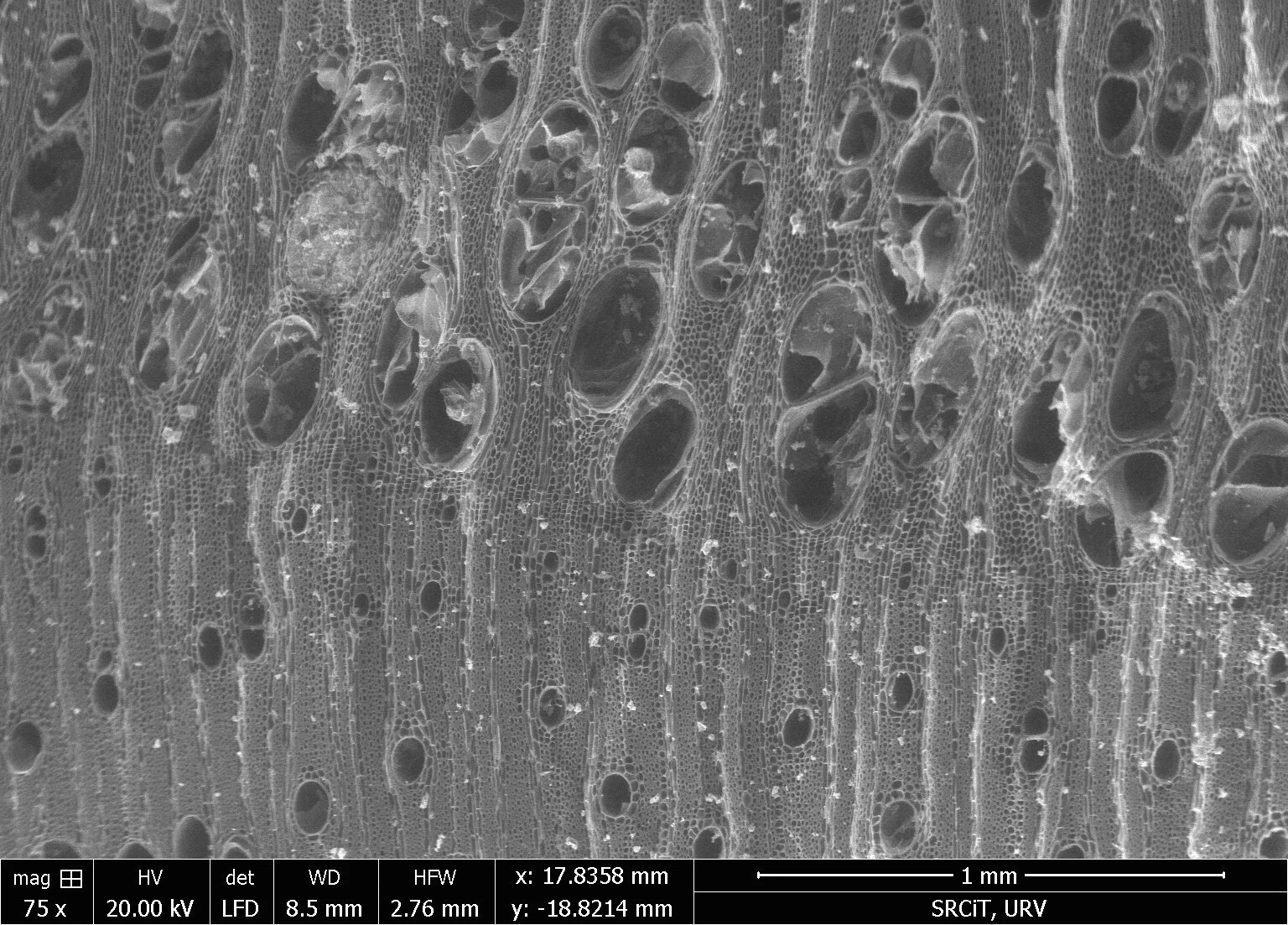
Micro-charcoal consists of small carbonized plant fragments that can be identified through microscopic examination. It forms when vegetation or wood is exposed to combustion under conditions that leave carbon-rich residues.
The size, shape, and abundance of charcoal particles can provide clues about the source of burning. Larger fragments may remain close to the place where wood burned, while smaller particles can travel through air or water and become deposited farther away.
These relationships are not absolute. Particle movement depends on fire intensity, fuel type, wind, topography, drainage, and the physical properties of the sediment. A high concentration of microscopic charcoal therefore indicates a history of combustion or charcoal input, but it does not identify a particular workshop by itself.
Researchers examine charcoal alongside pollen, phytoliths, sediment chemistry, and other indicators. These comparisons help distinguish local burning from broader changes in vegetation or regional fire activity.
Collecting Urban Cores and Establishing Chronology
Sediment coring allows researchers to obtain relatively continuous sequences without excavating an entire area. Cores may be collected from former canals, ponds, wetlands, abandoned channels, or other places where sediment accumulated.
The first task is to understand how the deposit formed. Urban sediments can contain redeposited soil, construction material, waste, and natural sediment. A core may include material transported from several parts of a city rather than evidence of activity directly above the sampling point.
Researchers establish chronology through radiocarbon dating, stratigraphic comparison, or other appropriate dating methods. The choice depends on the material available and the nature of the deposit.
Dating must account for possible disturbances. Charcoal may have been redeposited from older deposits, while later construction can introduce younger material into deeper layers. A robust chronology uses multiple lines of evidence rather than assuming that depth alone establishes age.
Distinguishing Domestic Fire from Industrial Combustion
Industrial and craft activities can generate substantial charcoal, but they differ in their fuel requirements and waste products. Metalworking, lime production, pottery firing, and glassmaking may involve distinct installations and temperature regimes.
Micro-charcoal records can be compared with archaeological evidence for these activities. A rise in charcoal coinciding with the development of furnaces, workshops, or kiln complexes may support the interpretation that craft production contributed to the increase.
However, domestic cooking and heating may also produce substantial charcoal, especially in densely occupied settlements. Population growth can increase fuel consumption without a corresponding rise in specialized industry.
Researchers therefore compare charcoal patterns with other evidence, including slag, furnace debris, kiln fragments, metalworking residues, and changes in settlement density. Chemical and microscopic analyses may help characterize the combustion materials, but they rarely identify a particular industry without contextual support.
Fuel Selection and Urban Environmental Change
Ancient communities used different fuels depending on availability, cost, and technological requirements. Wood, charcoal, crop residues, and other combustible materials can produce different combustion products and leave different archaeological signatures.
Charcoal anatomy can sometimes identify the types of wood used. If a sequence shows changes in the species represented, researchers may investigate whether fuel procurement shifted as the surrounding landscape changed or as urban demand increased.
Yet the relationship between charcoal and woodland depletion is not straightforward. A change in charcoal composition could reflect fuel preference, trade, selective harvesting, or differences in preservation rather than widespread deforestation.
Pollen and other vegetation indicators can help reconstruct changes in the surrounding environment. When these records are combined with evidence of settlement expansion and craft production, researchers can investigate whether urban fuel demand contributed to landscape transformation.
Spatial Variation Within Ancient Cities
An urban core does not represent an entire city equally. Different neighborhoods may have specialized functions, and the movement of sediment can redistribute charcoal from its original source.
Researchers compare cores from multiple locations where possible. A localized increase near a known industrial district may indicate concentrated activity, while a widespread rise across several sites could reflect broader fuel consumption or regional burning.
Spatial analysis can also help identify changes in urban organization. The appearance of new workshops, expansion of residential areas, or the relocation of craft activities may correspond with changing charcoal patterns.
These relationships require secure dating. If the sediment record and archaeological features belong to different periods, apparent associations may be misleading.
Conclusion: Reconstructing Ancient Industry Through Microscopic Evidence
Micro-charcoal records offer a valuable way to investigate combustion and environmental change in ancient cities. They can reveal changes in the frequency or intensity of burning and help researchers develop hypotheses about fuel consumption and craft production.
However, charcoal abundance is not a direct measure of industrial output. Domestic fires, wildfires, redeposition, and changes in sediment movement can produce similar signals.
The strongest interpretations combine micro-charcoal analysis with secure chronology, environmental proxies, archaeological installations, and evidence of production waste. This approach helps researchers reconstruct the role of fire in urban economies while recognizing that microscopic particles record a mixture of human and natural processes.




