
Introduction
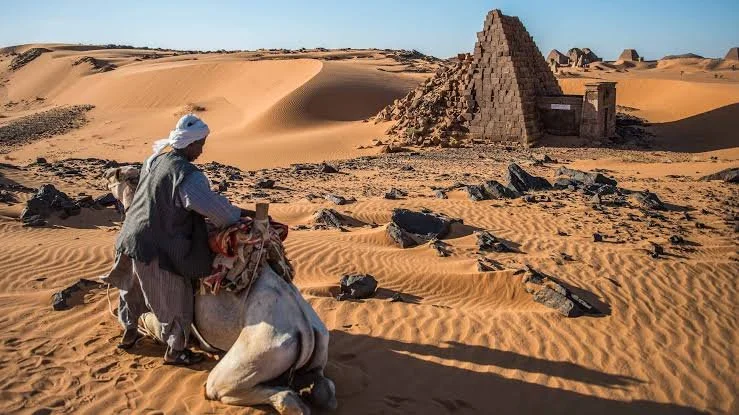
Nubia occupied a strategic position between the Mediterranean-connected world of Egypt and the deeper regions of northeastern Africa.
Missiminia, associated with the archaeological landscape of Nubia, can be understood within this long tradition of riverine trade and exchange.
The Nile was not simply a source of water. It was the principal transportation network connecting communities across thousands of kilometers.
Trade Along the Nile
Goods could travel northward toward Egypt and southward into the interior.
Important commodities included:
gold
ivory
animal products
livestock
ebony
aromatic materials
stone
ceramics
textiles
agricultural products
The precise importance of each commodity changed over time.
Trading Posts and Settlement
A trading post did not necessarily resemble a modern commercial center.
Ancient exchange could occur through markets, administrative stations, warehouses, temples, caravan routes, river ports, and private transactions.
A settlement's identification as a "trading post" therefore requires evidence such as imported objects, storage facilities, transport infrastructure, or written documentation.
Cultural Exchange
Trade also transported ideas.
Languages, artistic motifs, religious traditions, technologies, and food practices could spread through commercial networks.
Nubia's archaeology repeatedly demonstrates that cultural boundaries were porous.
Egyptian and Nubian material cultures influenced one another, while contacts with regions farther south introduced additional traditions.
The Nile as a Commercial Highway
The river made long-distance movement possible, although cataracts created major logistical challenges.
Boats could transport heavy loads efficiently along navigable stretches.
During periods of favorable political conditions, river commerce could connect settlements separated by considerable distances.
Control of river traffic was therefore both an economic and political concern.
Conclusion
Missiminia's significance can be appreciated through the larger economic system of ancient Nubia.
Rather than existing at the margins of ancient civilization, Nubia occupied a central position within African trade networks. Archaeological evidence demonstrates that goods, people, technologies, and ideas moved along the Nile for thousands of years.





