Seals and the organization of ancient life
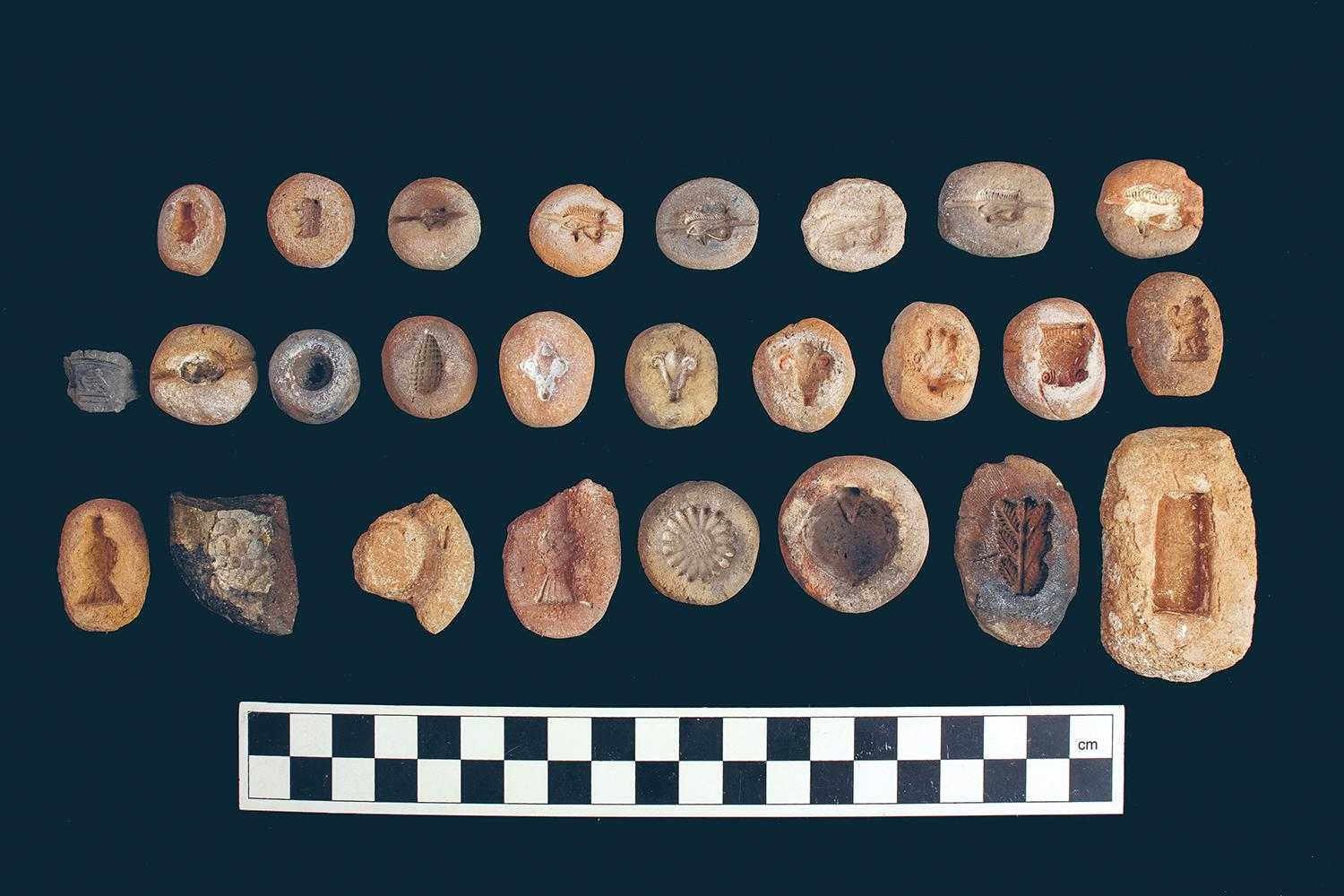
Seals were important objects in the ancient Aegean, serving as tools for identification, authentication, ownership, and the control of goods. They could be made from stone, bone, ivory, metal, or other materials, and their engraved designs often reflected the artistic traditions, social identities, and symbolic systems of their owners. In societies where written records were limited or not universally accessible, seals could function as practical instruments of authority and administration.
The island of Amorgos occupies an important position within the Cycladic island network. Its location allowed connections with neighboring islands and wider maritime routes. Archaeological materials discovered on Amorgos can therefore potentially contribute to discussions of trade, exchange, administration, and household activity.
A hypothetical group of seals found inside a cellar niche could raise questions about how objects were stored, protected, and reused. Their placement might suggest that they had been kept together for practical reasons, perhaps as personal possessions, workshop equipment, or items inherited within a household. However, the presence of seals in a cellar would not automatically indicate an archive or administrative center.
The significance of seal designs
Seal impressions and engraved motifs can provide evidence about artistic traditions and cultural relationships. Geometric designs, animals, human figures, religious symbols, and abstract patterns may help researchers place an object within a particular period or stylistic tradition.
The material from which a seal was made would also be significant. Imported stone could indicate access to long-distance exchange, while locally available materials might reveal regional production. The degree of wear on the surface could indicate frequent use, while unfinished engraving might suggest workshop activity.
Cellar niches and domestic storage
Cellars and recessed wall niches were practical architectural features in many historical periods. They could be used to store small objects, valuables, food-related materials, tools, or household equipment. Their archaeological interpretation depends on the surrounding building, construction technique, and stratigraphy.
If seals were discovered inside such a niche, researchers would need to determine whether the objects were deposited during the building's original use, placed there later, or transferred from an older structure.
Archaeological importance
Seals are valuable because they connect material culture with social behavior. They can help reconstruct patterns of ownership, exchange, identity, and administration. Their significance becomes even greater when they are found in a secure archaeological context alongside other objects.
The imagined Amorgos cellar discovery would therefore be most meaningful not simply because the seals were hidden, but because their context could reveal how small objects circulated through domestic life and how island communities participated in wider Aegean networks.