Ancient Masonry Across Continents: Peru and Turkey
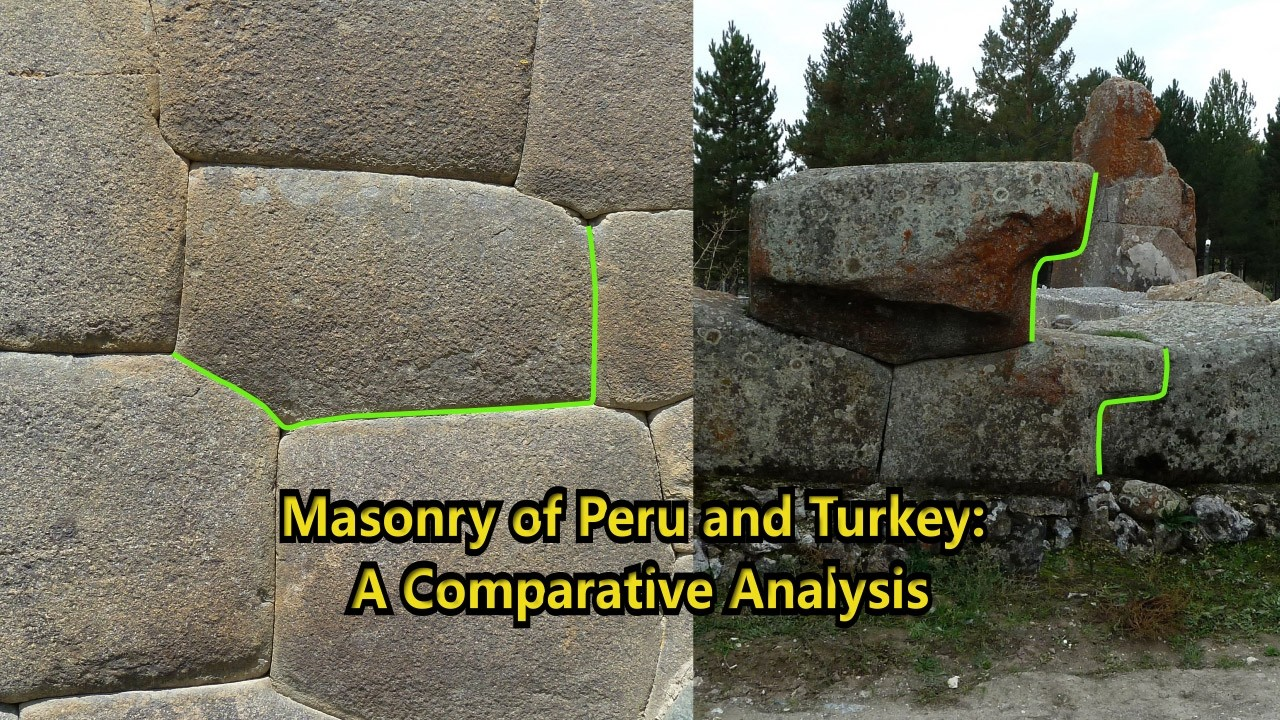
What connects the stone walls of Peru with the megalithic structures of Turkey? At first glance, thousands of miles and centuries apart, they seem worlds apart. But a detailed study comparing masonry traditions reveals surprising parallels that hint at common technological principles in ancient construction.
Researchers examined construction methods, surface treatments, and tool marks on stones from both regions. By analyzing the types of stone, how blocks were shaped and fitted, and the marks left by ancient tools, they uncovered patterns that transcend geography. These methods show not just skill, but sophisticated understanding of materials, weight distribution, and structural stability.
The cross-regional analysis allows us to see that, despite cultural differences, ancient builders often relied on similar problem-solving strategies. Techniques for smoothing surfaces, joining massive stones without mortar, and handling heavy blocks suggest a shared ingenuity that continues to inspire architects and engineers today.
This research is more than just a technical study—it’s a window into the minds of the builders, showing us that innovation, experimentation, and craftsmanship were universal human traits. Whether in the Andes or the Anatolian highlands, the principles behind megalithic construction tell a story of human ingenuity and enduring legacy.
🎥 Watch the full episode below to see the incredible stonework of Peru and Turkey, and learn how ancient civilizations mastered the art of building with massive stones: