
Introduction
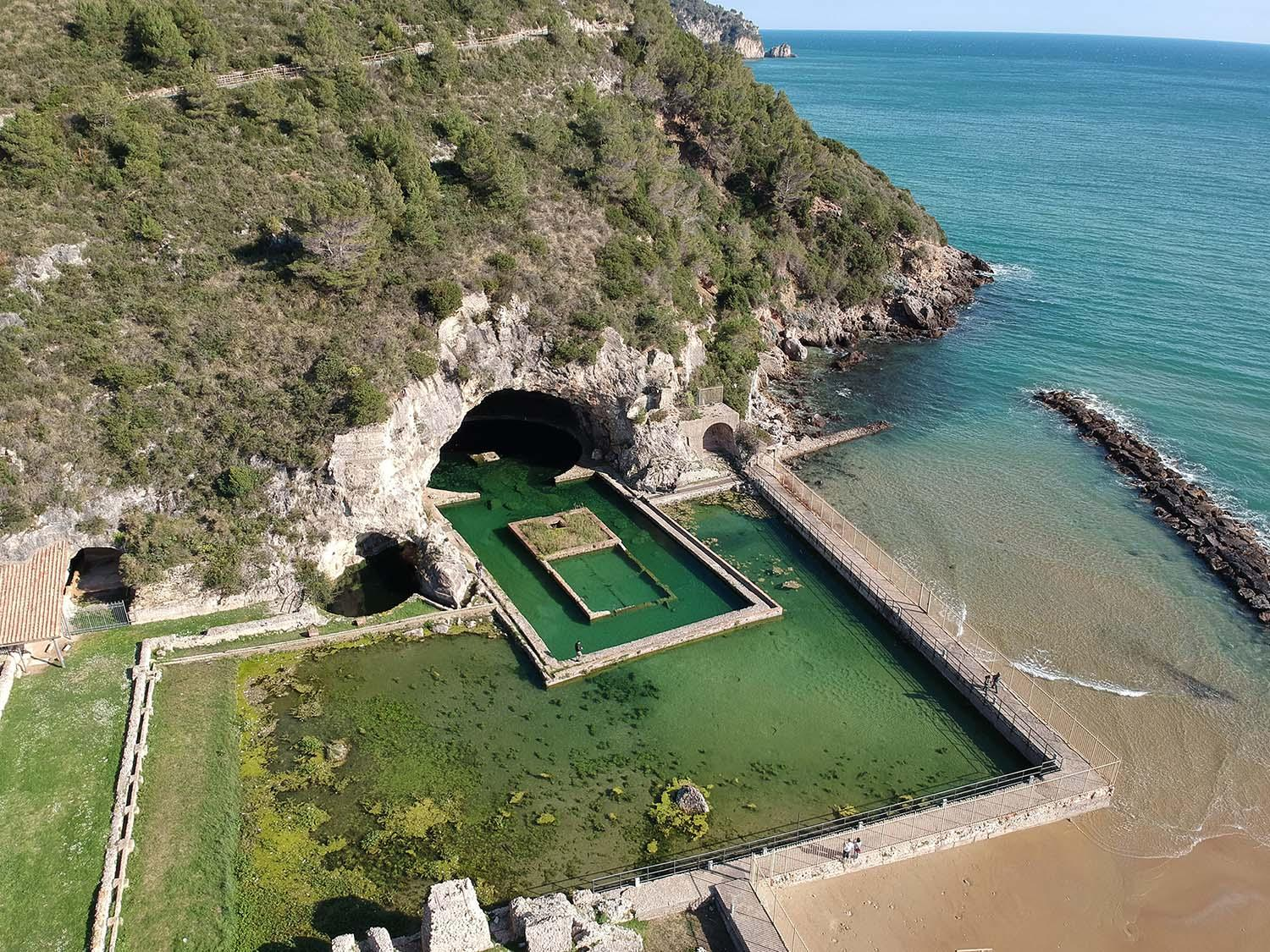
Roman coastal villas were important features of Mediterranean settlement and economic life. They could serve as agricultural estates, residences, production centers, commercial facilities, and places of leisure. Their locations often reflected access to fertile land, maritime transportation, freshwater, and coastal resources.
The concept of reclaimed salt marsh villas along the Roman litoral presents an interesting archaeological question: how did Roman communities adapt wetlands and coastal marshes for settlement, agriculture, and economic activity?
The specific villas and reclamation projects described in this title are not verified as particular archaeological discoveries. Nevertheless, Roman coastal landscape modification and the archaeological investigation of wetland environments are established areas of research.
Roman Villas and Coastal Landscapes
Roman villas varied considerably in their architectural organization and economic purpose.
Some villas were associated with large agricultural estates, while others combined residential spaces with production activities. Coastal villas could take advantage of access to maritime routes, fishing grounds, ports, and coastal agricultural resources.
A coastal location could also provide opportunities for the exploitation of wetlands, salt production, fisheries, and the movement of agricultural products.
The archaeological remains of villas may include residential buildings, courtyards, storage facilities, baths, kitchens, workshops, drainage systems, and agricultural infrastructure.
Their architecture and location can help researchers investigate the relationship between settlement, land ownership, economic production, and regional transportation.
Salt Marsh Environments
Salt marshes are coastal wetlands characterized by saline or brackish water, specialized vegetation, and fluctuating water levels.
They are shaped by tides, sediment deposition, coastal currents, rainfall, river discharge, and changes in sea level.
Roman communities living near marshes may have interacted with these environments in various ways, including fishing, salt production, livestock grazing, harvesting plants, and constructing drainage or access infrastructure.
However, marshes were not necessarily viewed simply as unused land waiting to be reclaimed. They could already have been productive ecosystems with important economic and environmental functions.
Reclamation and Landscape Modification
Land reclamation generally involves modifying an environment to make it suitable for a particular purpose.
In coastal settings, reclamation may involve drainage channels, embankments, levees, water-control structures, sediment management, and the conversion of wetlands into cultivated land or building areas.
Roman engineering knowledge allowed the construction of roads, aqueducts, drainage systems, bridges, and other infrastructure. In some regions, evidence exists for substantial management of water and agricultural landscapes.
A hypothetical reclaimed villa complex could be investigated through its relationship to drainage channels, soil deposits, embankments, and nearby wetlands.
Researchers would need to determine whether the structures were designed specifically for marsh reclamation or whether they served other purposes, such as irrigation, flood control, transportation, or boundary management.
Archaeological and Environmental Evidence
The investigation of coastal villas and marsh environments requires multiple methods.
Archaeologists may examine:
Villa architecture and building materials.
Drainage channels and water-control structures.
Ceramic assemblages.
Agricultural tools.
Storage facilities.
Environmental sediments.
Pollen and plant remains.
Animal bones.
Historical maps and shoreline reconstructions.
Sediment cores can help identify environmental changes over time, including shifts between marine, brackish, and freshwater conditions.
Micromorphological analysis may reveal how soils were formed and modified. Chemical analysis can identify possible changes associated with agricultural use or water management.
These methods could help establish whether a site was constructed on naturally elevated ground, an altered wetland, or a landscape that experienced gradual environmental change.
Villas, Agriculture, and Economic Production
Coastal villas may have supported multiple economic activities.
Depending on their location, estates could produce crops, livestock, wine, olive oil, fish products, or other agricultural goods.
The presence of storage structures, presses, workshops, or processing equipment could provide evidence of production activities.
A villa located near a marsh might have benefited from access to water and wetlands, but its relationship with the environment would not necessarily be limited to agricultural reclamation.
The study of villa economies requires careful examination of architecture, artifacts, plant remains, animal remains, and regional trade connections.
Environmental Consequences of Reclamation
Reclamation could transform wetland ecosystems.
Drainage and embankment construction may change water flow, salinity, vegetation, sediment deposition, and habitat availability.
Such modifications may create new agricultural opportunities while also reducing wetland habitats or increasing vulnerability to flooding.
Understanding these effects can help researchers investigate the long-term relationship between Roman land management and environmental change.
Modern coastal wetlands are also important for flood protection, biodiversity, sediment stabilization, and carbon storage. Archaeological research into ancient reclamation can contribute to broader discussions about human modification of coastal environments.
Conclusion
Reclaimed salt marsh villas along the Roman litoral would provide an interesting framework for examining Roman settlement, agricultural production, coastal engineering, and environmental transformation.
The study of these landscapes requires an integrated approach combining architecture, environmental archaeology, geomorphology, and historical research.
Rather than viewing wetlands simply as areas converted into productive land, archaeologists can investigate how Roman communities interacted with complex coastal ecosystems and how their activities reshaped the landscapes around them.





