
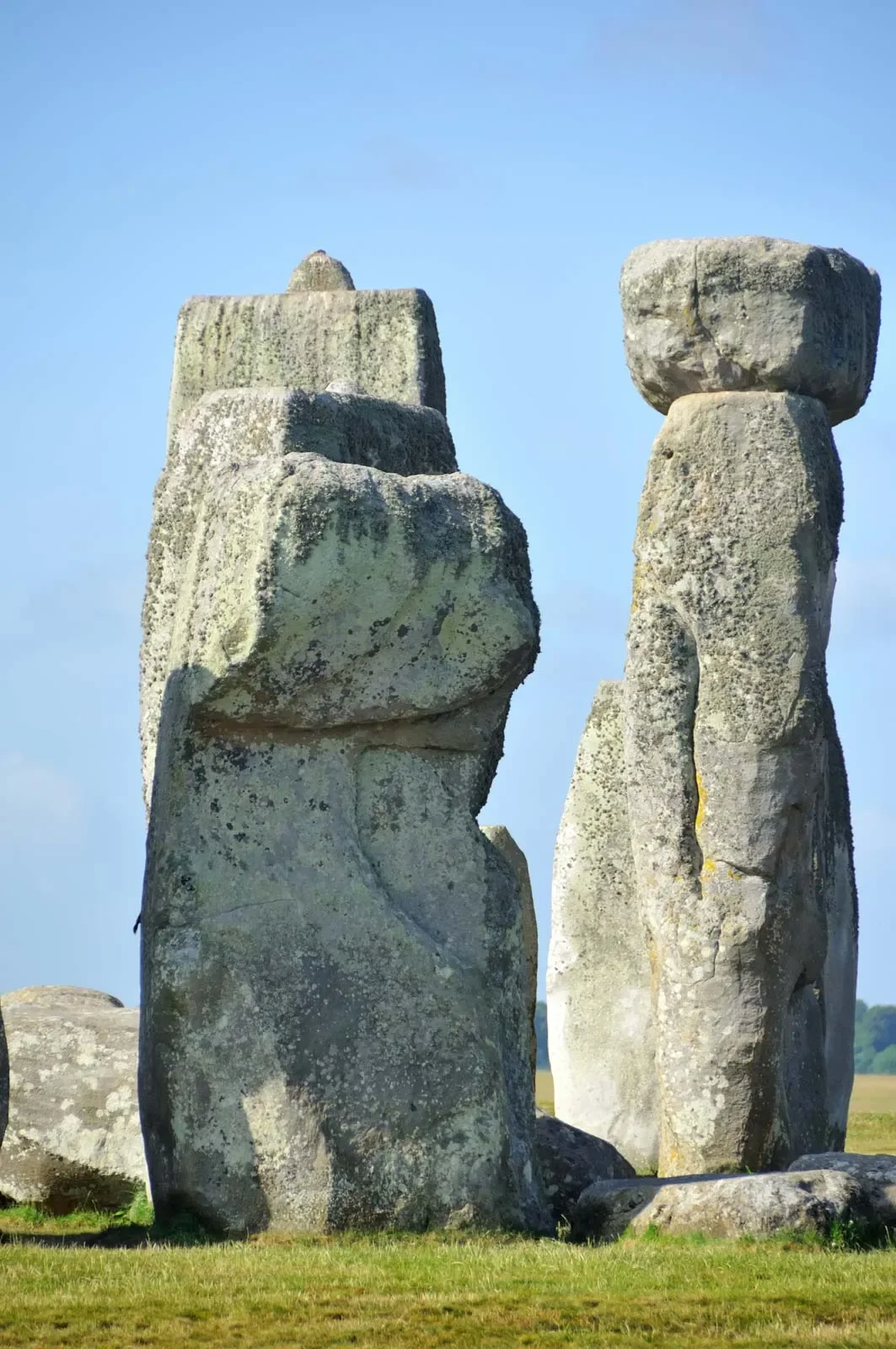
How ancient standing stones and megalithic structures acquired new functions, meanings, and lives in changing cultural landscapes.
Introduction: Monuments That Outlived Their Builders
Megalithic monuments are among the most enduring features of many prehistoric landscapes. Built from large stones, they include standing stones, stone circles, chambered tombs, passage graves, and other structures whose forms vary across regions and periods.
Their longevity creates a fascinating archaeological problem. A monument might remain visible long after the community that constructed it had changed or disappeared. Later generations could encounter it as a familiar landmark, a boundary marker, a source of building material, a burial place, or a setting for activities whose original meaning was no longer understood.
This phenomenon is often described as monument reuse or secondary use. It highlights an important distinction: the history of a monument does not end when its initial construction phase ends.
Yet reuse can take several forms, and not every later object near a megalith demonstrates deliberate engagement with the monument. Researchers must distinguish intentional reuse from accidental proximity, natural disturbance, and unrelated later occupation.
The Many Forms of Monument Reuse
One of the most direct forms of reuse occurs when later communities incorporate an existing monument into new construction. Stones may be removed, repositioned, or broken for use in walls, roads, houses, and other structures. Such activity can destroy the original arrangement while preserving fragments of the monument in secondary contexts.
Other forms of reuse are less destructive. A prehistoric burial chamber may receive later burials, while a standing stone might continue to serve as a landmark or a convenient reference point in the landscape. Later communities may also modify a monument by adding carvings, erecting crosses, or constructing new features nearby.
Some reuse is practical, while other forms may have ceremonial or symbolic significance. These categories are not mutually exclusive. A place can function as a burial site and a landmark, or provide useful building material while retaining cultural importance.
The challenge is to determine which activities actually occurred at a particular site. General knowledge that megaliths were sometimes reused cannot substitute for evidence from the monument under investigation.
Archaeological Signs of Later Activity
The most reliable evidence often comes from stratigraphy: the relationships between deposits, structures, and objects. A later burial cut into an earlier mound, for example, may clearly demonstrate that the monument was used again after its initial construction.
Artifact dating can provide additional information. Coins, ceramics, metal objects, and other materials may indicate the period when a feature was modified or occupied. However, an object found on the surface of a monument may have arrived through erosion, later disturbance, or modern activity, so its context is essential.
Architectural analysis can reveal physical changes. Differences in stone placement, tool marks, mortar, or construction technique may identify repairs or additions. Scientific dating methods can sometimes establish when organic materials associated with these modifications were deposited or when particular building phases occurred.
Researchers also examine the monument's surrounding landscape. A later road, settlement, church, or cemetery may have developed around the structure, but spatial proximity alone cannot demonstrate that the monument influenced the placement of these features.
Memory, Authority, and the Meaning of Ancient Stones
A monument's survival can shape how later communities understand their surroundings. Large stones are conspicuous, durable, and often difficult to ignore. Even when their original purpose is unknown, they can become reference points for stories, boundaries, or claims about the past.
In some contexts, rulers or religious authorities may have incorporated older monuments into new systems of legitimacy. A structure believed to be ancient could lend historical depth to a place or institution. Such interpretations, however, require evidence from the relevant historical period rather than assumptions about what later people must have thought.
Reused monuments can also demonstrate continuity without proving that cultural meanings remained unchanged. A burial chamber used again centuries later may have been valued for its physical presence rather than for a preserved understanding of its original construction.
This distinction is crucial. The repeated use of a place is not the same as the uninterrupted survival of a belief. Communities can reuse a monument while radically changing what it means.
Destruction and the Recycling of Megalithic Material
Reuse did not always preserve monuments. Stone was a valuable construction resource, and prehistoric structures could be dismantled when later communities needed building material.
Archaeologists may identify this process through extraction scars, broken stones, displaced blocks, and the incorporation of megalithic material into later walls. Quarrying and agricultural activity can produce similar damage, so researchers need to distinguish deliberate dismantling from natural collapse or modern disturbance.
The archaeological record may preserve only fragments of the original arrangement. A large stone incorporated into a medieval building might have lost its original context, making its prehistoric origin difficult to establish without geological or stylistic comparison.
Documentary records, historical maps, and earlier descriptions can sometimes help reconstruct the monument's former appearance. Such sources are especially valuable where the site was heavily modified before modern archaeological recording began.
Conservation Challenges and Ethical Questions
Reused megaliths create difficult questions for heritage management. Should a monument be restored to its earliest known form, or should later additions and alterations also be preserved as meaningful parts of its history?
There is no universal answer. Removing later features might improve the visibility of the prehistoric structure while destroying evidence of subsequent cultural activity. Conversely, preserving every alteration without investigation may obscure the monument's original construction and structural integrity.
Conservation decisions should therefore follow careful documentation and consultation with relevant communities. A monument may hold significance for people today for reasons that differ from its ancient function, and archaeological interpretation should not automatically override those living relationships.
Responsible investigation also avoids treating all later use as damage. Reuse can be an important part of a monument's historical biography, revealing how people adapted inherited places to new needs.
Conclusion: The Long Life of Stone
Reused megaliths challenge the idea that monuments belong exclusively to the societies that first built them. Their physical endurance allowed later communities to alter, reinterpret, preserve, or dismantle them.
Archaeological evidence can reveal these successive phases through stratigraphy, dating, architectural analysis, and landscape study. Yet researchers must avoid assuming that every nearby object reflects intentional reuse or that a site's meaning remained constant across centuries.
A megalith is therefore not merely a relic of a vanished culture. It can also be a record of later decisions—evidence of how generations encountered the past, made use of its material remains, and created new relationships with an inherited landscape.




