
Introduction
Archaeology traditionally focuses on what can be seen.
Artifacts, structures, paintings, bones, and landscapes dominate archaeological interpretation.
But prehistoric people also experienced their environments through sound.
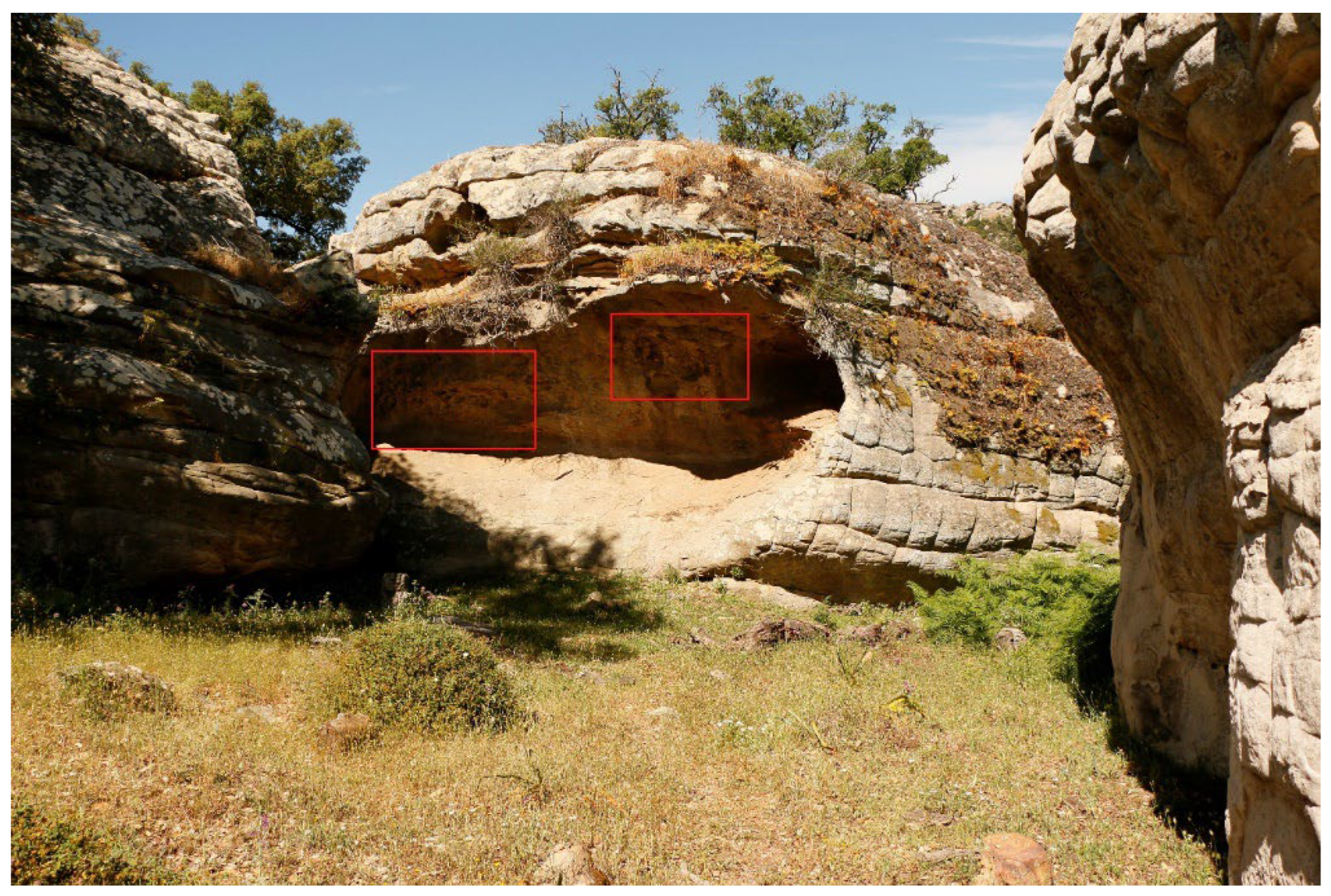
Caves and rock shelters are particularly interesting because their acoustics can differ dramatically from those of open landscapes.
Echoes, reverberation, resonance, and sound amplification may have influenced how people used these places.
This has led to increasing interest in archaeological acoustics and prehistoric soundscapes.
What Is a Soundscape?
A soundscape is the total acoustic environment experienced by people.
It includes:
human voices
music
animal sounds
water
wind
echoes
percussion
environmental noise
Archaeological soundscape research attempts to reconstruct how ancient people may have experienced these environments.
Why Rock Shelters Matter
Rock shelters and caves have distinctive acoustic properties.
A narrow chamber may amplify certain frequencies.
A large cavern may create long echoes.
A chamber with particular wall geometry may produce unusually strong resonance.
These properties could influence human behavior.
Rock Art and Acoustics
Researchers have observed that some decorated caves contain spaces with distinctive acoustic properties.
This has generated hypotheses that certain areas may have been selected partly because of their sound.
However, acoustic association alone does not prove ritual activity.
A cave may simply have favorable acoustics while serving practical functions.
Ritual Performance
If sound was deliberately incorporated into ritual behavior, it could include:
chanting
singing
drumming
clapping
whistles
flutes
spoken performance
Music and oral performance can create social experiences that leave very little archaeological evidence.
This makes acoustics particularly important for reconstructing intangible aspects of prehistoric culture.
Experimental Archaeology
Researchers can conduct acoustic experiments inside caves.
They can measure:
reverberation time
sound pressure
frequency response
echo patterns
speech intelligibility
Experimental performers can then test how voices or instruments behave in different locations.
Animal Sounds
Animal calls may also have influenced prehistoric experience.
Some caves amplify sounds from outside.
Others create echoes that could make animals seem closer or farther away.
If prehistoric hunters regularly visited such spaces, they may have developed sophisticated environmental knowledge.
Archaeological Limitations
Modern acoustic conditions are not necessarily identical to ancient conditions.
Vegetation may have changed.
Floors may have accumulated sediment.
Walls may have collapsed.
Human occupation can alter surfaces.
Researchers must therefore reconstruct ancient geometry where possible.
Sound and Social Memory
Acoustic places can become culturally meaningful.
A cave where ceremonies repeatedly occurred could become associated with ancestral stories, initiation, or sacred landscapes.
Even when physical evidence is limited, spatial and acoustic patterns may contribute to interpretations of social memory.
Conclusion
Rock-shelter acoustics expands archaeology beyond the visual record.
By studying sound, researchers can investigate how prehistoric communities experienced spaces through voice, music, echoes, and environmental noise.
The field remains interdisciplinary and requires careful interpretation, but it offers a powerful way to explore dimensions of prehistoric life that artifacts alone cannot capture.





