• MAIN PAGE
  • LATEST NEWS
    • Lost Cities
    • Archaeology's Greatest Finds
    • Underwater Discoveries
    • Greatest Inventions
    • Studies
    • Blog
  • PHILOSOPHY
  • HISTORY
  • RELIGIONS
    • Africa
    • Anatolia
    • Arabian Peninsula
    • Balkan Region
    • China - East Asia
    • Europe
    • Eurasian Steppe
    • Levant
    • Mesopotamia
    • Oceania - SE Asia
    • Pre-Columbian Civilizations of America
    • Iranian Plateau - Central Asia
    • Indus Valley - South Asia
    • Japan
    • The Archaeologist Editor Group
    • Scientific Studies
    • Aegean Prehistory
    • Historical Period
    • Byzantine Middle Ages
    • Predynastic Period
    • Dynastic Period
    • Greco-Roman Egypt
  • Rome
  • PALEONTOLOGY
  • About us
Menu

The Archaeologist

  • MAIN PAGE
  • LATEST NEWS
  • DISCOVERIES
    • Lost Cities
    • Archaeology's Greatest Finds
    • Underwater Discoveries
    • Greatest Inventions
    • Studies
    • Blog
  • PHILOSOPHY
  • HISTORY
  • RELIGIONS
  • World Civilizations
    • Africa
    • Anatolia
    • Arabian Peninsula
    • Balkan Region
    • China - East Asia
    • Europe
    • Eurasian Steppe
    • Levant
    • Mesopotamia
    • Oceania - SE Asia
    • Pre-Columbian Civilizations of America
    • Iranian Plateau - Central Asia
    • Indus Valley - South Asia
    • Japan
    • The Archaeologist Editor Group
    • Scientific Studies
  • GREECE
    • Aegean Prehistory
    • Historical Period
    • Byzantine Middle Ages
  • Egypt
    • Predynastic Period
    • Dynastic Period
    • Greco-Roman Egypt
  • Rome
  • PALEONTOLOGY
  • About us
No results found

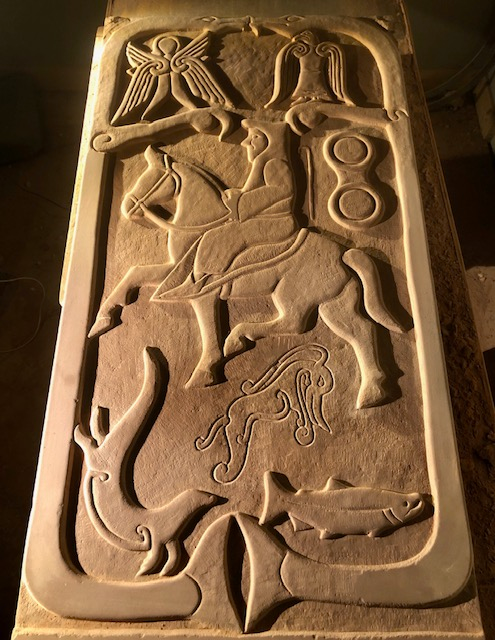
St Vigeans No. 1: Angus's Vanora's Stone

August 31, 2026

St Vigeans No. 1 is one of the important Pictish sculptured stones associated with the village of St Vigeans in Angus.

The site is particularly interesting because St Vigeans preserves a remarkable concentration of early medieval sculpture, while later local traditions connected some of the monuments with legendary figures such as Vanora.

The St Vigeans Sculpture Collection

St Vigeans became an important center for Pictish and medieval sculpture.

The surviving stones include:

  • cross slabs;

  • symbol stones;

  • fragments;

  • and architectural sculpture.

Pictish Art

Pictish sculpture frequently combines Christian and non-Christian imagery.

A single monument can therefore preserve multiple layers of cultural meaning.

The Legend of Vanora

Later tradition associates Vanora with the legendary Queen Guinevere.

Local folklore claims that she was buried at St Vigeans.

The tradition cannot be confirmed historically.

Why Legends Develop Around Stones

Ancient monuments often outlast the societies that created them.

Later communities may encounter mysterious carvings and develop stories to explain:

  • who made them;

  • why they exist;

  • and who was buried there.

Christian Influence

St Vigeans became an important Christian location.

Christian sculpture may include:

  • crosses;

  • biblical imagery;

  • interlace;

  • and religious symbols.

Artistic Techniques

Pictish sculptors used:

  • relief carving;

  • incised lines;

  • geometric decoration;

  • and stylized figures.

Symbolic Communication

Because the Picts left few surviving written texts, carved stones are particularly valuable.

They may communicate information about:

  • identity;

  • religious affiliation;

  • social status;

  • and political power.

The Landscape

The placement of sculpture around a religious center would have made it visible to members of the community.

The stones could therefore have served as permanent statements of belief and identity.

Why St Vigeans Matters

The site demonstrates how Pictish artistic traditions developed within a Christian environment.

It also shows how later medieval communities incorporated older monuments into new cultural narratives.

Conclusion

St Vigeans No. 1 belongs to a remarkable collection of early medieval sculpture.

Its importance lies not only in its carving but also in the wider cultural landscape surrounding it.

The stone represents the intersection of Pictish art, Christianity, local identity, and later folklore.

← St Andrews Sarcophagus: Fife's Pictish MasterpieceKirkmadrine Stones: Wigtownshire's Early Christian →
Featured
image_2026-08-25_001355140.png
August 31, 2026
Mount Sandel: Northern Ireland's 9,000-Year Settlement
August 31, 2026
Read more →
August 31, 2026
image_2026-08-25_001215052.png
August 31, 2026
Star Carr: England's 10,700-Year Mesolithic Lakeside Camp
August 31, 2026
Read more →
August 31, 2026
image_2026-08-25_001438686.png
August 31, 2026
Staosnaig: Scotland's 6,000-Year Shell Midden
August 31, 2026
Read more →
August 31, 2026
image_2026-08-25_001541318.png
August 31, 2026
Barnhouse: Orkney's Neolithic Village and Standing Stones
August 31, 2026
Read more →
August 31, 2026
image_2026-08-25_001752145.png
August 31, 2026
Links of Noltland: Orkney's 5,000-Year Stone House
August 31, 2026
Read more →
August 31, 2026
image_2026-08-25_001848207.png
August 31, 2026
Skara Brae: Orkney's 5,100-Year Underground Village
August 31, 2026
Read more →
August 31, 2026
read more

Powered by The archaeologist