• MAIN PAGE
  • LATEST NEWS
    • Lost Cities
    • Archaeology's Greatest Finds
    • Underwater Discoveries
    • Greatest Inventions
    • Studies
    • Blog
  • PHILOSOPHY
  • HISTORY
  • RELIGIONS
    • Africa
    • Anatolia
    • Arabian Peninsula
    • Balkan Region
    • China - East Asia
    • Europe
    • Eurasian Steppe
    • Levant
    • Mesopotamia
    • Oceania - SE Asia
    • Pre-Columbian Civilizations of America
    • Iranian Plateau - Central Asia
    • Indus Valley - South Asia
    • Japan
    • The Archaeologist Editor Group
    • Scientific Studies
    • Aegean Prehistory
    • Historical Period
    • Byzantine Middle Ages
    • Predynastic Period
    • Dynastic Period
    • Greco-Roman Egypt
  • Rome
  • PALEONTOLOGY
  • About us
Menu

The Archaeologist

  • MAIN PAGE
  • LATEST NEWS
  • DISCOVERIES
    • Lost Cities
    • Archaeology's Greatest Finds
    • Underwater Discoveries
    • Greatest Inventions
    • Studies
    • Blog
  • PHILOSOPHY
  • HISTORY
  • RELIGIONS
  • World Civilizations
    • Africa
    • Anatolia
    • Arabian Peninsula
    • Balkan Region
    • China - East Asia
    • Europe
    • Eurasian Steppe
    • Levant
    • Mesopotamia
    • Oceania - SE Asia
    • Pre-Columbian Civilizations of America
    • Iranian Plateau - Central Asia
    • Indus Valley - South Asia
    • Japan
    • The Archaeologist Editor Group
    • Scientific Studies
  • GREECE
    • Aegean Prehistory
    • Historical Period
    • Byzantine Middle Ages
  • Egypt
    • Predynastic Period
    • Dynastic Period
    • Greco-Roman Egypt
  • Rome
  • PALEONTOLOGY
  • About us
No results found

Tealing Earth House: Angus's Subterranean Storage

August 31, 2026

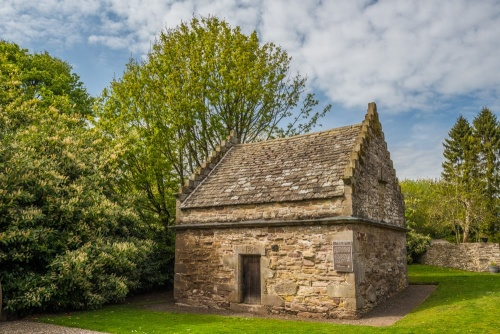
The Tealing Earth House in Angus is another important example of Scottish Iron Age subterranean architecture.

Its underground passage and stone construction provide evidence for the technological capabilities of prehistoric communities and their ability to create controlled environments beneath the surface.

Underground Architecture

Tealing consists of a subterranean passage or chamber constructed using stone.

The structure required careful engineering because the builders had to prevent the roof and walls from collapsing.

Temperature Control

Underground spaces naturally maintain more stable temperatures than exposed buildings.

This makes them potentially useful for:

  • food storage;

  • preservation;

  • and protection from weather.

Grain Storage

Agricultural communities needed to protect harvested crops.

Grain could be threatened by:

  • moisture;

  • rodents;

  • insects;

  • and mold.

A carefully constructed underground environment could reduce some of these risks.

Iron Age Agriculture

The people associated with Tealing practiced farming.

They grew cereals and raised livestock.

Household Economy

The earth house may have been connected to a nearby settlement.

This suggests that storage was part of a broader household economy.

Construction Skills

Builders needed to understand:

  • stone placement;

  • load distribution;

  • drainage;

  • and roof support.

The structure demonstrates substantial engineering knowledge.

Why Build Such a Narrow Passage?

The confined design may have helped:

  • maintain stable conditions;

  • protect stored materials;

  • limit access;

  • or serve symbolic functions.

Archaeological Evidence

Objects recovered from earth houses can include:

  • pottery;

  • animal remains;

  • tools;

  • and charcoal.

These materials help reconstruct activity.

Why Tealing Matters

Tealing shows that Iron Age communities used both above-ground and underground architecture.

This demonstrates their ability to adapt construction techniques to different practical needs.

Conclusion

The Tealing Earth House provides a fascinating example of prehistoric subterranean engineering.

Whether used primarily for storage or for a combination of practical and symbolic purposes, the structure demonstrates how Iron Age communities transformed the landscape beneath their feet to support their economic and social lives.

← Ardestie Earth House: Angus's Iron Age UndergroundWest Grange of Conan: Angus's Wheelhouse →
Featured
image_2026-08-25_001355140.png
August 31, 2026
Mount Sandel: Northern Ireland's 9,000-Year Settlement
August 31, 2026
Read more →
August 31, 2026
image_2026-08-25_001215052.png
August 31, 2026
Star Carr: England's 10,700-Year Mesolithic Lakeside Camp
August 31, 2026
Read more →
August 31, 2026
image_2026-08-25_001438686.png
August 31, 2026
Staosnaig: Scotland's 6,000-Year Shell Midden
August 31, 2026
Read more →
August 31, 2026
image_2026-08-25_001541318.png
August 31, 2026
Barnhouse: Orkney's Neolithic Village and Standing Stones
August 31, 2026
Read more →
August 31, 2026
image_2026-08-25_001752145.png
August 31, 2026
Links of Noltland: Orkney's 5,000-Year Stone House
August 31, 2026
Read more →
August 31, 2026
image_2026-08-25_001848207.png
August 31, 2026
Skara Brae: Orkney's 5,100-Year Underground Village
August 31, 2026
Read more →
August 31, 2026
read more

Powered by The archaeologist