For millennia, a prehistoric plague swept across Eurasia with alarming speed. Scientists have detected its presence in human remains found far apart, long before the Black Death made the disease infamous. What confused researchers was how the plague spread so widely without fleas, which later played a key role in medieval outbreaks.
New research may finally explain this puzzle. A study published in Cell and reported by ScienceAlert suggests that the earliest known carrier of plague was a domesticated sheep. This provides the first solid evidence that Bronze Age plague spread through animals traveling with humans. Researchers identified DNA from Yersinia pestis, the plague-causing bacterium, in a 4,000-year-old sheep tooth uncovered at Arkaim in present-day southern Russia. The strain belongs to the Late Neolithic–Bronze Age lineage, an early form of plague incapable of infecting fleas, leaving scientists long unsure how it moved across vast regions.
The finding came from a broader project examining how livestock migrated with people from the Fertile Crescent into Eurasia. The team analyzed ancient DNA from cattle, goats, and sheep—material that is often degraded and contaminated.
“When we test livestock DNA in ancient samples, we get a complex genetic mix of contamination,” said Taylor Hermes, an archaeologist at the University of Arkansas and the study’s lead author. “That makes it hard to isolate animal DNA, but it also allows us to detect pathogens that may have infected both herds and their handlers.”
That approach paid off with the Arkaim sheep. The plague DNA matched strains previously identified in human remains found thousands of miles apart, directly linking animal movement to human infection during this era.
“It had to be more than just people moving,” Hermes said. “This sheep gave us the breakthrough.”
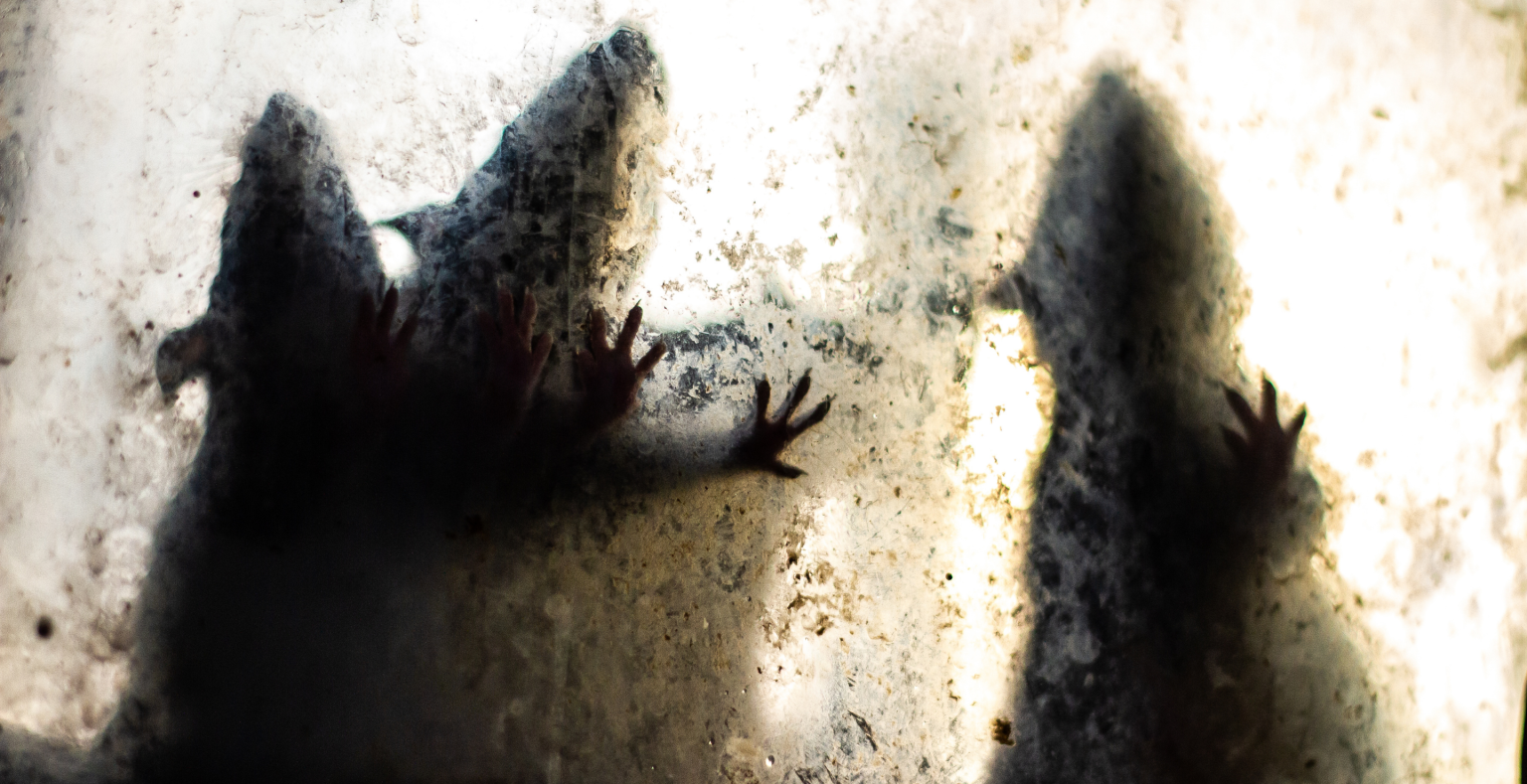
Researchers now believe the disease spread through interactions between humans, livestock, and an unknown natural reservoir, likely rodents native to the Eurasian steppe. As sheep grazed across wide grasslands, they may have encountered infected wildlife and transmitted the bacterium within herds and to people—or possibly the other way around.
Ancient animal diseases are rarely preserved. Livestock were not carefully buried, and many remains come from cooked food, which destroys DNA. This makes the discovery especially unusual.
While a single genome does not answer every question, this one ancient sheep significantly narrows the mystery, shedding new light on how one of humanity’s earliest pandemics may have traveled alongside the animals people relied on most.