Unlocking the Secrets of the Great Pyramid of Giza
The pyramids of Giza are among the most awe-inspiring structures ever built by human hands. Rising thousands of years above the plateau, they have captivated generations of historians, archaeologists, and tourists alike. Yet, despite centuries of study, how they were built remains a mystery.
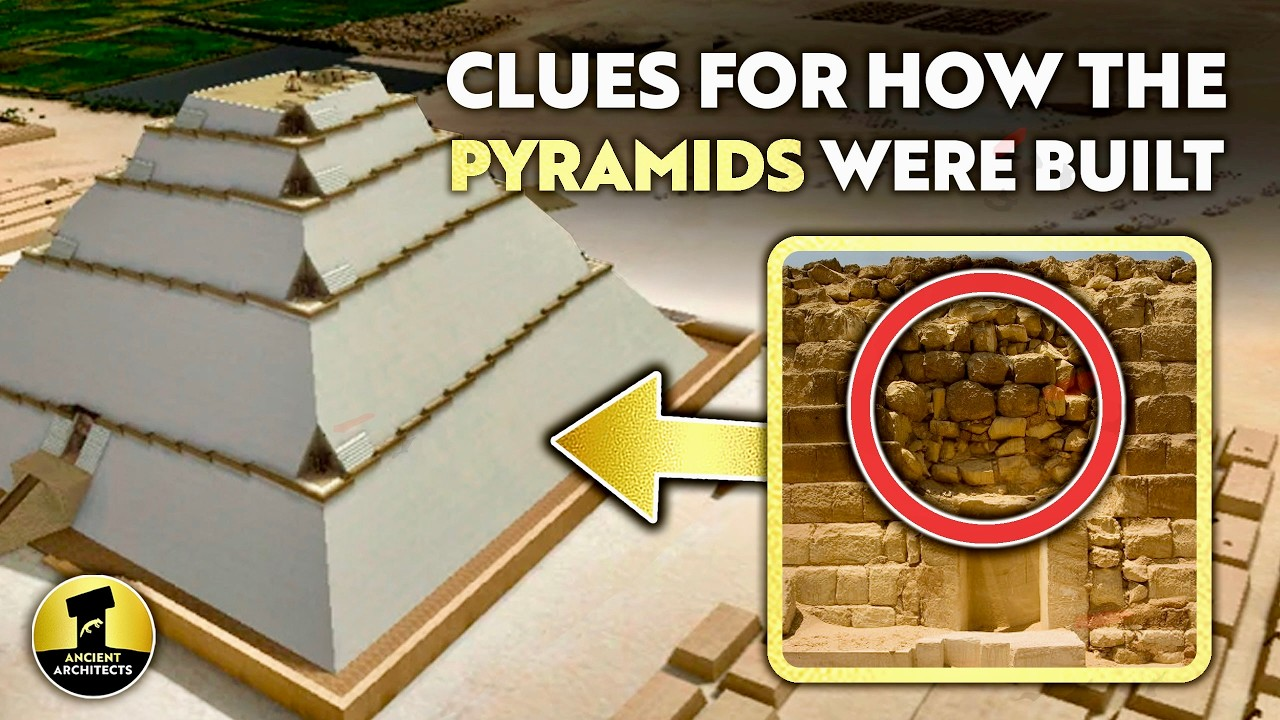
Many details we accept as fact about these monuments might actually be misleading. Experts and enthusiasts often claim that the Great Pyramid consists of 2.3 million precisely cut and fitted blocks, mostly limestone, with some granite. But what if that isn’t the full story?
Rethinking Pyramid Materials
Recent investigations suggest a large portion of the pyramid may actually be rubble, not meticulously cut stone. Understanding the materials used is crucial to unlocking the mysteries of construction.
In this video, we explore:
The mastaba of Hemiunu, the architect behind the Great Pyramid, and what it reveals about ancient building techniques.
Jean-Pierre Houdin’s theories, which offer innovative insights into how the pyramid could have been constructed from the inside out.
By starting with the materials, we can begin to peel back the layers of history and approach the Great Pyramid with a clearer perspective.
🎥 Watch the video below to explore the materials, theories, and secrets of the Great Pyramid of Giza: