
Introduction
The Tibetan Plateau is one of the world's most challenging environments for human settlement. Its high elevation, low oxygen levels, cold temperatures, and limited agricultural conditions have shaped human adaptation for thousands of years.
The development of pastoralism was especially important because livestock provided food, clothing, fuel, transportation, and economic resources.
Genetic research offers a new way to investigate the origins and movements of pastoral communities. By studying ancient DNA from human remains and domesticated animals, researchers can examine migration, population relationships, and biological adaptation.
Early Pastoral Adaptation
Pastoralism involves the management of domesticated animals, often through seasonal movement between grazing areas.
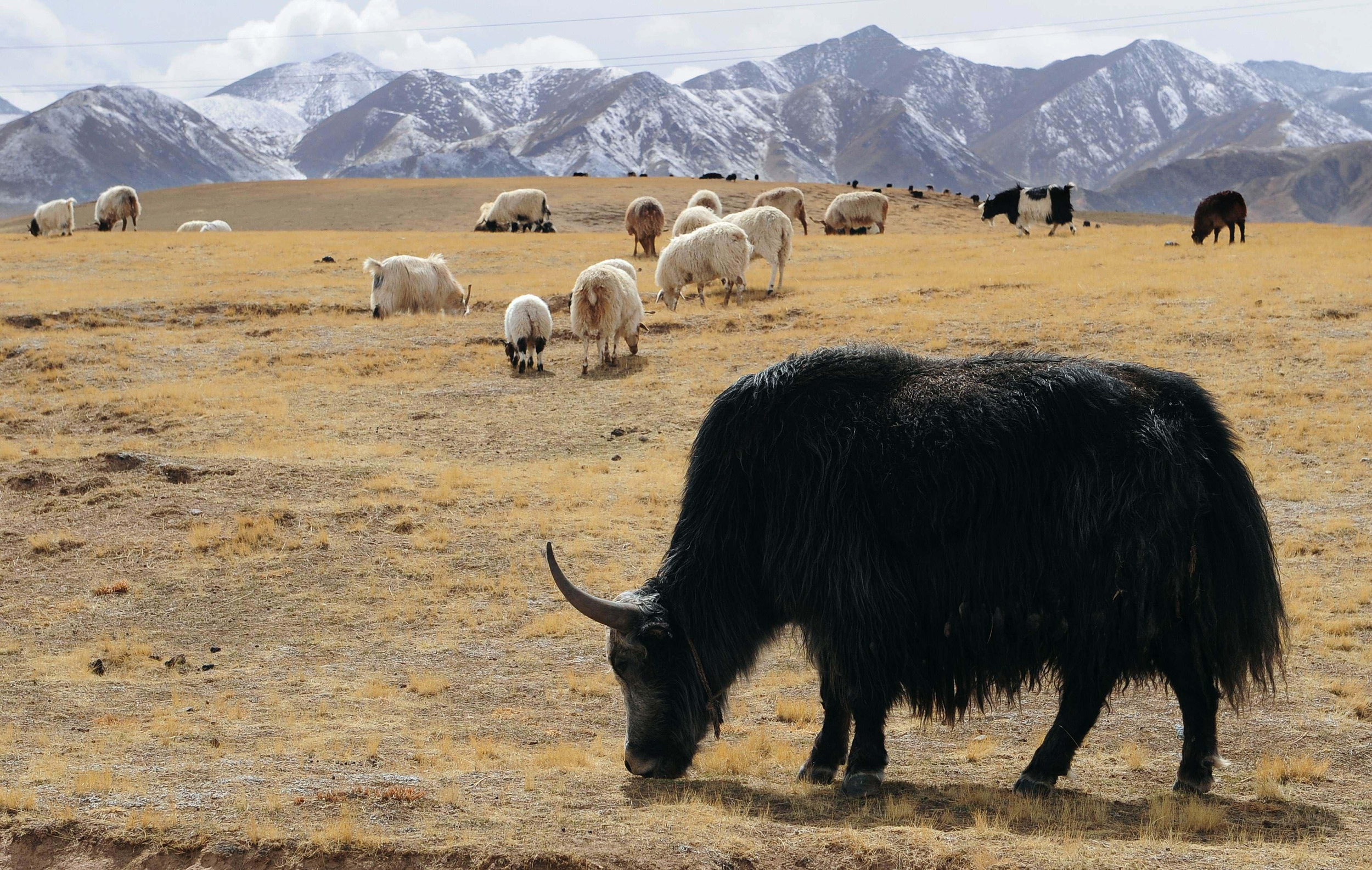
On the Tibetan Plateau, livestock such as yak, sheep, goats, and other animals could support communities in environments where crop production was limited.
Pastoral life required knowledge of:
Seasonal grazing patterns.
Water availability.
Animal health.
Weather conditions.
Herd movement.
Shelter and food storage.
These practices were not simply economic choices but also cultural systems that shaped settlement and social relationships.
Genetic Evidence
Ancient DNA research can help identify biological relationships between individuals and populations from different periods.
Human genetic evidence may reveal migration, population mixing, and changes in ancestry. Animal DNA can identify the origins of domesticated species, herd management patterns, and breeding practices.
Researchers must distinguish genetic ancestry from cultural identity. Genetic similarities do not automatically demonstrate that people shared the same language, traditions, or social organization.
Adaptation to High Altitude
High-altitude adaptation is an important biological research area.
Modern Tibetan populations exhibit genetic characteristics associated with living in environments with reduced oxygen availability. Ancient DNA studies can help investigate when these adaptations developed and how populations changed over time.
However, adaptation is a complex process involving genetics, physiology, environment, and cultural behavior.
Pastoral strategies may have helped communities survive at high elevations through access to animal products, mobility, and knowledge of local ecological conditions.
Archaeological and Genetic Integration
Genetic research becomes more powerful when combined with archaeological evidence.
Researchers could compare DNA findings with:
Burial patterns.
Livestock remains.
Settlement locations.
Tools and equipment.
Evidence of mobility.
Environmental changes.
This approach helps avoid treating genetic data as a complete explanation of human history.
Ethical Considerations
Ancient DNA research involves human remains and living communities connected to ancestral landscapes.
Researchers should consider community consent, cultural heritage rights, respectful handling of remains, data governance, and the potential misuse of genetic findings.
Conclusion
Genetic research on early Tibetan pastoralists can provide important insights into migration, biological adaptation, and the development of high-altitude economies.
The strongest interpretations will combine genetic data with archaeology, environmental studies, and the perspectives of descendant communities.





