The Devil in the Glass: Vienna’s Most Disturbing Artifact
There’s a small object in the collection of Austria’s Kunsthistorisches Museum that carries an enormous claim. Not a painting. Not a legend. But a devil sealed inside glass.
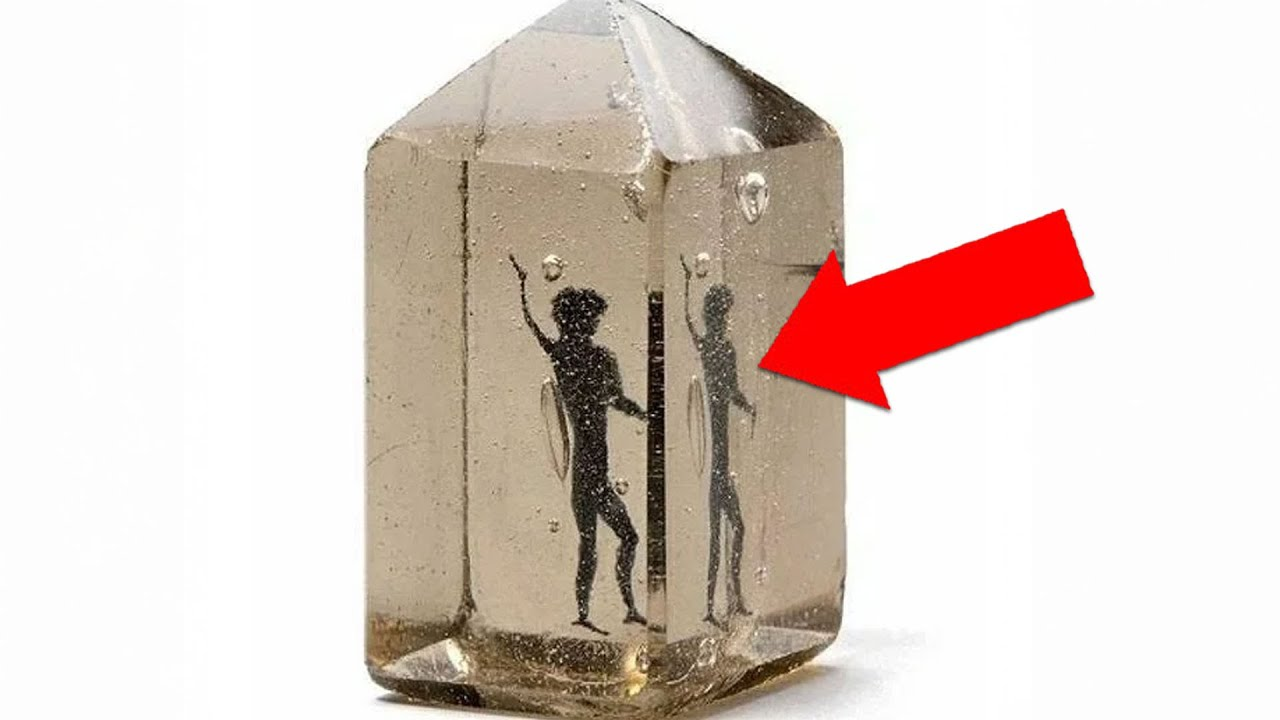
Known in German as Teufel im Glase, the object is a faceted glass prism just 6.6 centimeters tall, containing a sharp-edged, horned black figure crouched inside like an insect trapped in amber. Cast in black lead and cataloged under Kunstkammer 6211, it looks less like folklore and more like evidence.
What makes the artifact truly unsettling is not its appearance — but its documentation.
A 1720 inventory of Vienna’s Imperial Treasury describes the object in chillingly official language. It does not present the figure as symbolic or decorative. Instead, it records it as:
“A spiritus familiaris in a glass… formerly driven out of a possessed person… and banished into this glass.”
This wasn’t a rumor. It wasn’t a myth. It was written into state records.
At the time, Europe existed at a crossroads between emerging science and deeply institutionalized belief in possession, exorcism, and spiritual entities. Cabinets of curiosities were not mere collections — they were attempts to catalog reality itself, including the supernatural.
Whether the Devil in the Glass represents a misunderstood ritual object, a theatrical fraud, or something far stranger, its existence forces an uncomfortable question:
Why would an empire formally record the imprisonment of a demon?
And if they believed it was real — what does that say about the world they lived in?
🎥 Watch the video below to explore the Devil in the Glass and uncover the unsettling history behind Vienna’s most controversial artifact: