• MAIN PAGE
  • LATEST NEWS
    • Lost Cities
    • Archaeology's Greatest Finds
    • Underwater Discoveries
    • Greatest Inventions
    • Studies
    • Blog
  • PHILOSOPHY
  • HISTORY
  • RELIGIONS
    • Africa
    • Anatolia
    • Arabian Peninsula
    • Balkan Region
    • China - East Asia
    • Europe
    • Eurasian Steppe
    • Levant
    • Mesopotamia
    • Oceania - SE Asia
    • Pre-Columbian Civilizations of America
    • Iranian Plateau - Central Asia
    • Indus Valley - South Asia
    • Japan
    • The Archaeologist Editor Group
    • Scientific Studies
    • Aegean Prehistory
    • Historical Period
    • Byzantine Middle Ages
    • Predynastic Period
    • Dynastic Period
    • Greco-Roman Egypt
  • Rome
  • PALEONTOLOGY
  • About us
Menu

The Archaeologist

  • MAIN PAGE
  • LATEST NEWS
  • DISCOVERIES
    • Lost Cities
    • Archaeology's Greatest Finds
    • Underwater Discoveries
    • Greatest Inventions
    • Studies
    • Blog
  • PHILOSOPHY
  • HISTORY
  • RELIGIONS
  • World Civilizations
    • Africa
    • Anatolia
    • Arabian Peninsula
    • Balkan Region
    • China - East Asia
    • Europe
    • Eurasian Steppe
    • Levant
    • Mesopotamia
    • Oceania - SE Asia
    • Pre-Columbian Civilizations of America
    • Iranian Plateau - Central Asia
    • Indus Valley - South Asia
    • Japan
    • The Archaeologist Editor Group
    • Scientific Studies
  • GREECE
    • Aegean Prehistory
    • Historical Period
    • Byzantine Middle Ages
  • Egypt
    • Predynastic Period
    • Dynastic Period
    • Greco-Roman Egypt
  • Rome
  • PALEONTOLOGY
  • About us
No results found

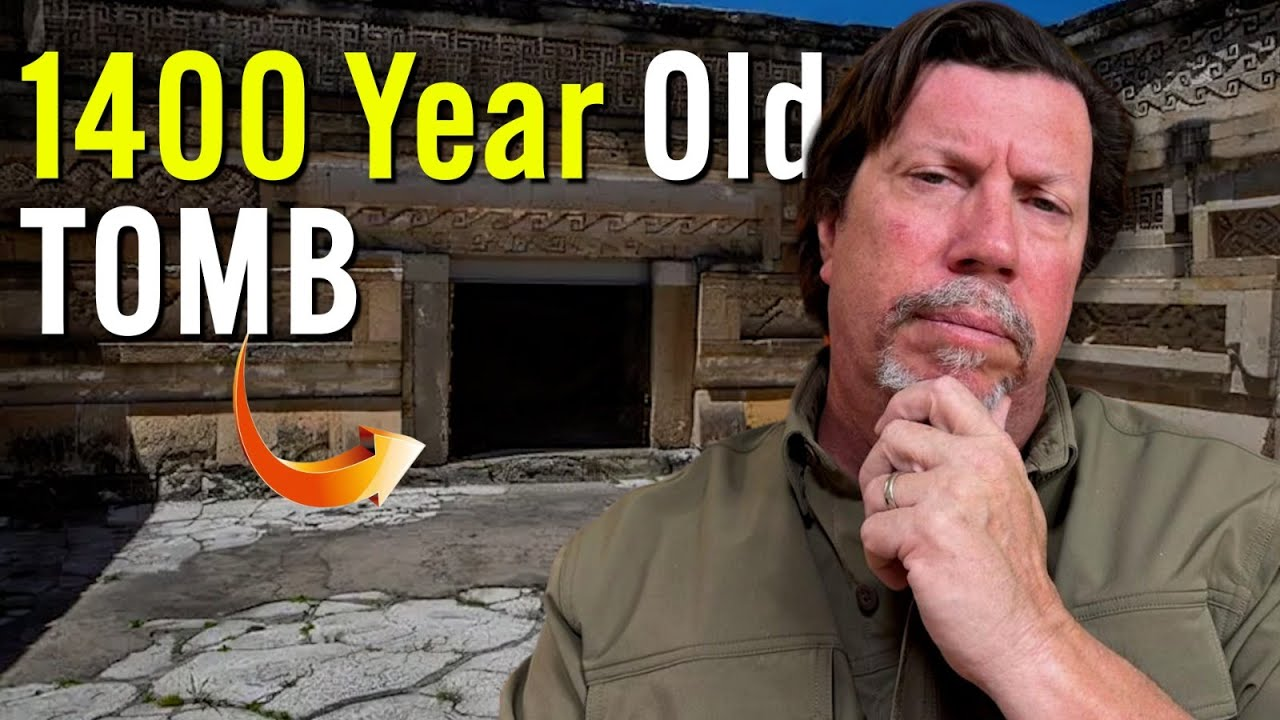
Whats inside the Mysterious 1400 Year old Zapotec Tomb

February 8, 2026

A 1,400-Year-Old Zapotec Tomb: Discovering Ancient Oaxaca

A recently uncovered 1,400-year-old Zapotec tomb in Mexico has been making headlines, hailed as one of the most important archaeological finds of the decade. But what exactly was discovered—and how significant is it for understanding Zapotec civilization?

Dating to around 600 CE, the tomb is located in the Valley of Oaxaca, a region long known as the heartland of Zapotec culture. The site features an antechamber, intricately carved stone doorways, sculpted figures, and painted murals, showcasing the craftsmanship and artistic sophistication of this ancient society.

While impressive, this tomb is part of a larger archaeological pattern: similar structures have been found throughout the valley, highlighting the Zapotecs’ consistent architectural and ceremonial traditions. The discovery reinforces what archaeologists have long known about the complexity and reach of Zapotec civilization, even if it does not radically rewrite history.

To fully understand its significance, it’s important to place the tomb within its broader historical and geographic context. The Zapotec capital of Monte Albán dominated the valley with monumental architecture, while Mitla served as a powerful religious center. Comparing this tomb to others in the region—and even to the famous Monte Albán Tomb 7—provides a glimpse into the ceremonial life, burial practices, and societal hierarchy of one of Mesoamerica’s most enduring cultures.

Finally, the greatest mystery remains: what was inside the tomb? Were its contents looted long ago, preserved in secret, or intentionally withheld from public view? The uncertainty adds to the intrigue, reminding us that even after more than a millennium, the Zapotec world still holds secrets waiting to be uncovered.

This discovery may not overturn the story of Mesoamerican history, but it powerfully highlights the sophistication, artistry, and cultural importance of the Zapotec civilization—a society whose legacy continues to inspire and astonish.

Watch the video below to explore the newly discovered Zapotec tomb, its murals, carvings, and the fascinating history of ancient Oaxaca:
← Ancient Mystery Solved? NEW Explanation for the Phaistos DiscThe "Impossible" Artifact: A 400-Year-Old Devil Trapped in Glass →
Featured
image_2026-06-22_223748063.png
June 24, 2026
Lake Mungo: Australia's 42,000-Year Cremation Rites
June 24, 2026
Read more →
June 24, 2026
image_2026-06-22_223711115.png
June 24, 2026
Wyrie Swamp: Australia's 20,000-Year Boomerangs
June 24, 2026
Read more →
June 24, 2026
image_2026-06-22_223638840.png
June 24, 2026
Madjedbebe: World's Oldest Ochre Processing Site
June 24, 2026
Read more →
June 24, 2026
image_2026-06-22_223602824.png
June 24, 2026
Nauwalabila: Australia's 50,000-Year Stone Tools
June 24, 2026
Read more →
June 24, 2026
image_2026-06-22_223518130.png
June 24, 2026
Devil's Lair: Australia's 48,000-Year Ochre Use
June 24, 2026
Read more →
June 24, 2026
image_2026-06-22_223408714.png
June 24, 2026
Laili Cave: East Timor's 44,000-Year Colonizers
June 24, 2026
Read more →
June 24, 2026
read more

Powered by The archaeologist