The Neanderthal Problem: Rethinking Human Evolution
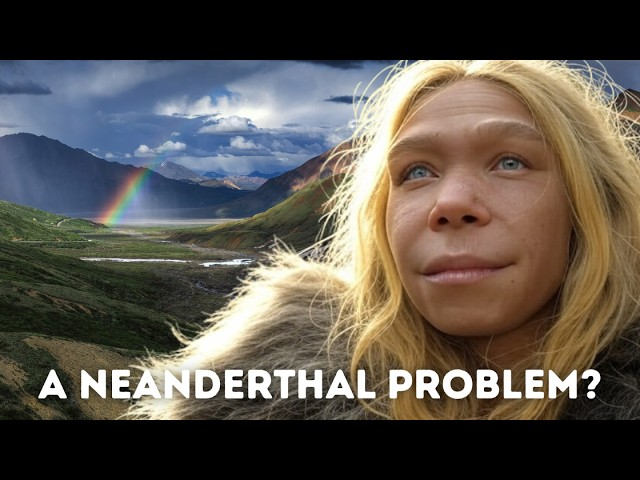
The Neanderthal problem remains one of the most enduring and controversial debates in paleoanthropology. At its core, it challenges how we define species, ancestry, and what it truly means to be human.
Traditionally, Neanderthals have been viewed as a separate species, distinct from Homo sapiens and ultimately replaced by modern humans. This interpretation shaped much of 20th-century thinking about human evolution. However, discoveries over the past few decades have complicated that picture.
Genetic evidence has revealed that modern humans outside Africa carry Neanderthal DNA, strongly suggesting interbreeding between the two populations. Fossil records, too, show overlapping timelines and shared anatomical traits, blurring the once-clear line between “us” and “them.”
This raises fundamental questions:
Were Neanderthals truly a separate species, or a closely related human population?
How extensive was interbreeding, and what impact did it have on modern humans?
Does the concept of species even apply cleanly to human evolution?
By examining genetic data, fossil evidence, and evolutionary theory, this video explores the complex relationship between Homo sapiens and Neanderthals. Rather than a simple story of replacement, human evolution appears to be a messy, interconnected process, shaped by migration, adaptation, and interaction.
Understanding the Neanderthal problem doesn’t just reshape our view of the past — it forces us to rethink how human diversity emerged and how closely related we truly are to our extinct cousins.
🎥 Watch the video below to explore the Neanderthal problem and uncover what it reveals about human origins and evolutionary history: