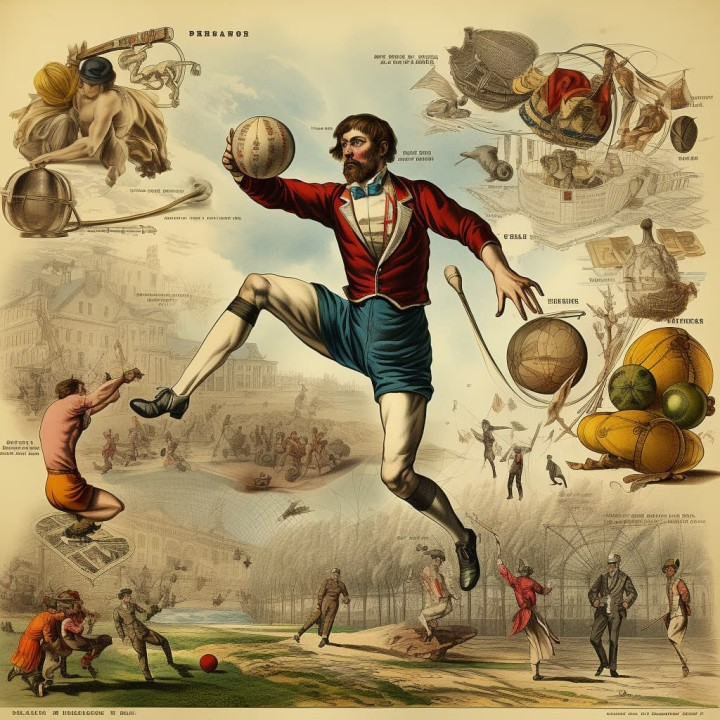
Competition has been part of human culture for thousands of years. Long before modern stadiums, early societies held athletic contests tied to ritual, warfare training, and social prestige.
Ritual Games in Ancient Arenas
In Mesoamerica, the ballgame played at sites like Chichen Itza was both sport and sacred ceremony. Massive stone courts still stand, with carvings depicting players and symbolic scenes. The game likely represented cosmic struggle, possibly linked to myths of life, death, and rebirth.
In ancient Greece, the Olympic Games began in the 8th century BCE at Olympia. Athletes competed in footraces, wrestling, and chariot racing to honor Zeus. Victory brought prestige not only to individuals but to entire city-states.
Sport as Training and Symbolism
Early competitions often prepared participants for warfare. Wrestling, archery, and running developed strength and endurance.
Yet these games were not purely practical. They reinforced social bonds and cultural identity. Ritual elements, including sacrifices and ceremonies, elevated sport into a sacred act.
The Birth of Athletic Culture
Organized sports required rules, referees, and spectators. Their existence suggests structured societies capable of coordinating large public events.
These early athletic traditions reveal that the human drive to compete and celebrate physical excellence has ancient roots.