• MAIN PAGE
  • LATEST NEWS
    • Lost Cities
    • Archaeology's Greatest Finds
    • Underwater Discoveries
    • Greatest Inventions
    • Studies
    • Blog
  • PHILOSOPHY
  • HISTORY
  • RELIGIONS
    • Africa
    • Anatolia
    • Arabian Peninsula
    • Balkan Region
    • China - East Asia
    • Europe
    • Eurasian Steppe
    • Levant
    • Mesopotamia
    • Oceania - SE Asia
    • Pre-Columbian Civilizations of America
    • Iranian Plateau - Central Asia
    • Indus Valley - South Asia
    • Japan
    • The Archaeologist Editor Group
    • Scientific Studies
    • Aegean Prehistory
    • Historical Period
    • Byzantine Middle Ages
    • Predynastic Period
    • Dynastic Period
    • Greco-Roman Egypt
  • Rome
  • PALEONTOLOGY
  • About us
Menu

The Archaeologist

  • MAIN PAGE
  • LATEST NEWS
  • DISCOVERIES
    • Lost Cities
    • Archaeology's Greatest Finds
    • Underwater Discoveries
    • Greatest Inventions
    • Studies
    • Blog
  • PHILOSOPHY
  • HISTORY
  • RELIGIONS
  • World Civilizations
    • Africa
    • Anatolia
    • Arabian Peninsula
    • Balkan Region
    • China - East Asia
    • Europe
    • Eurasian Steppe
    • Levant
    • Mesopotamia
    • Oceania - SE Asia
    • Pre-Columbian Civilizations of America
    • Iranian Plateau - Central Asia
    • Indus Valley - South Asia
    • Japan
    • The Archaeologist Editor Group
    • Scientific Studies
  • GREECE
    • Aegean Prehistory
    • Historical Period
    • Byzantine Middle Ages
  • Egypt
    • Predynastic Period
    • Dynastic Period
    • Greco-Roman Egypt
  • Rome
  • PALEONTOLOGY
  • About us

Prehistoric Toolkits That Shouldn’t Exist

February 27, 2026

Archaeological discoveries sometimes challenge assumptions about early human capability. Certain prehistoric toolkits appear surprisingly advanced, prompting debate about innovation, adaptation, and lost knowledge.

Precision in the Stone Age

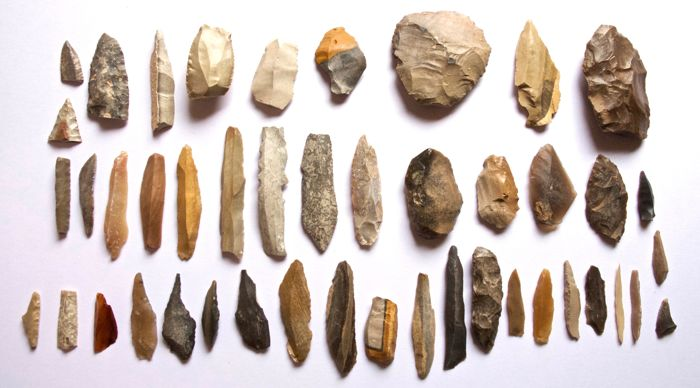
Sophisticated stone blades, carefully shaped and standardized, have been uncovered at multiple Paleolithic sites. These tools required planning, skill, and an understanding of fracture mechanics.

Some Neanderthal toolkits, for example, show evidence of adhesive use—combining stone points with wooden shafts using natural resins. This composite technology reflects strategic thinking rather than simple survival.

Unexpected Complexity

Finely crafted bone needles dating back tens of thousands of years suggest tailored clothing, not just animal hides draped over shoulders. Such discoveries imply detailed craftsmanship and environmental adaptation.

Occasionally, artifacts spark controversy when they appear more advanced than expected for their era. In most cases, further research reveals gradual technological development rather than sudden leaps.

Innovation as a Human Constant

Early humans were observant experimenters. They refined tools over generations, passing knowledge through teaching and imitation.

Rather than viewing advanced prehistoric tools as anomalies, many archaeologists now see them as evidence of steady ingenuity. Humanity’s capacity for invention did not suddenly emerge—it has been present since our earliest ancestors shaped stone with intention and imagination.
The Oldest Evidence of Organized Sports →
Featured
image_2026-02-27_171558757.png
Feb 27, 2026
Prehistoric Toolkits That Shouldn’t Exist
Feb 27, 2026
Read More →
Feb 27, 2026
image_2026-02-27_165950329.png
Feb 27, 2026
The Oldest Evidence of Organized Sports
Feb 27, 2026
Read More →
Feb 27, 2026
image_2026-02-27_163102381.png
Feb 27, 2026
The Forgotten Woodlands Civilizations
Feb 27, 2026
Read More →
Feb 27, 2026
image_2026-02-27_161538661.png
Feb 27, 2026
The World’s First Secret Societies
Feb 27, 2026
Read More →
Feb 27, 2026
image_2026-02-27_161134911.png
Feb 27, 2026
The Lost Stone Calendars That Measured Eternity
Feb 27, 2026
Read More →
Feb 27, 2026
image_2026-02-27_154831730.png
Feb 27, 2026
Ancient Children’s Toys That Survived Millennia
Feb 27, 2026
Read More →
Feb 27, 2026
read more

Powered by The archaeologist