
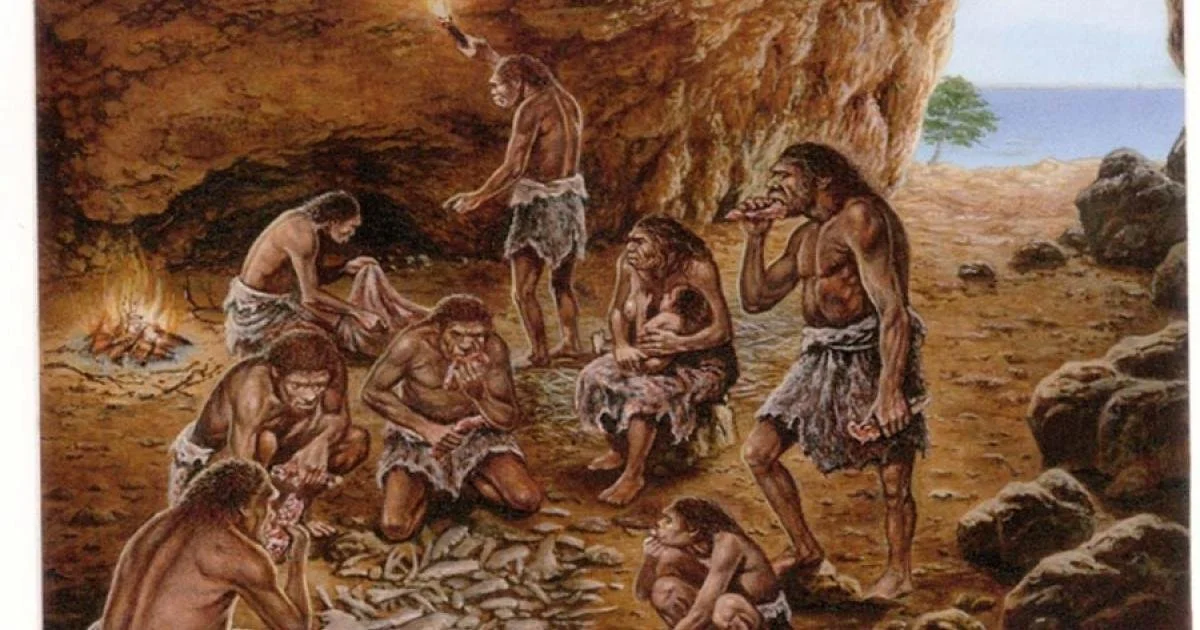
How combustion residues, hearth locations, and cave-wall deposits can help distinguish practical fire use from possible ceremonial activity.
Introduction: Fire in the Depths of the Earth
Caves have served many purposes throughout human history. People used them for shelter, temporary occupation, resource extraction, burial, artistic expression, and other activities that varied by period and region. Fire could make these spaces more habitable by providing warmth, light, and a means of preparing food.
Fire also has properties that may have made it important in ceremonial settings. Flames illuminate otherwise dark spaces, smoke changes the atmosphere of an enclosed chamber, and the act of lighting or maintaining a fire can structure collective activity. These qualities make cave fires a compelling subject for archaeological investigation.
However, fire in a cave does not automatically indicate ritual practice. A hearth may have been used for cooking, heating, tool production, illumination, or several purposes at once. Soot on a wall may result from repeated occupation, a single burning event, or the movement of smoke through a natural passage.
To investigate ritual use, researchers must examine the physical evidence, reconstruct the cave's environment, and compare the proposed ceremonial interpretation with practical alternatives.
How Soot and Smoke Residues Form
Combustion produces a range of materials, including charcoal, ash, soot, gases, and microscopic particles. Their distribution depends on the fuel, temperature, oxygen supply, airflow, and the geometry of the space.
Soot consists largely of carbon-rich particles formed during incomplete combustion. It can accumulate on cave ceilings and walls when smoke rises and encounters cooler surfaces. The thickness and composition of a deposit may reflect repeated burning, but these patterns are influenced by ventilation and the location of the fire.
Ash and charcoal can accumulate around hearths or become transported by sweeping, trampling, water, and later human activity. A concentration of charcoal may represent a fire burned in place, but it could also have been moved from another location.
Researchers therefore distinguish between residues that remain in their original position and material redeposited through later processes. Microscopic examination of sediment can reveal layering, combustion particles, and relationships between hearth deposits and surrounding surfaces.
Reconstructing Cave Fire Environments
Cave architecture influences how smoke behaves. Low ceilings may collect soot, narrow passages can restrict airflow, and larger chambers may allow smoke to disperse differently depending on entrances and air currents.
Modern cave conditions do not always match ancient conditions. Sediment accumulation, rockfalls, changes in entrances, and later excavation can alter ventilation. Researchers must reconstruct the relevant cave environment before interpreting the distribution of smoke residues.
Spatial mapping is especially useful. Archaeologists record hearth locations, soot-covered surfaces, illuminated areas, and the relationship between fire features and cave passages. These observations can reveal whether fires were concentrated near entrances or occurred deep inside the cave.
A fire placed far from an entrance may have required particular arrangements for ventilation or illumination, but this does not prove that it was ceremonial. Practical tasks can also take place in deep chambers, especially when caves provide resources or protected working areas.
What Makes Fire Use Potentially Ritual?
Ritual interpretations generally depend on patterned behavior rather than a single unusual feature. A hearth may become significant when it is associated with repeated, structured deposits, deliberately selected objects, unusual arrangements of materials, or a location with evidence of other ceremonial activity.
The repetition of fire use is important, but repeated fires are not uniquely ritual. A hearth used for daily cooking can accumulate many layers over time. Researchers must ask whether the pattern differs from ordinary domestic activity and whether there is independent evidence for a ceremonial context.
The placement of fires may also matter. A small fire in a secluded chamber could have been used for a specific event, but it might equally reflect a practical need for warmth or light. The absence of ordinary household debris can be informative only if preservation and excavation methods were sufficient to detect such material.
Interpretations become stronger when several observations support the same explanation. Even then, archaeologists may be able to identify patterned activity more confidently than the precise beliefs or intentions behind it.
Smoke, Visibility, and Sensory Experience
Fire changes how a cave is experienced. Flickering light can create moving shadows, while smoke may alter visibility, smell, and breathing conditions. Sound can also behave differently in enclosed spaces, especially where walls and chambers reflect voices and other noises.
These properties make sensory archaeology relevant to the study of caves. Researchers can model light distribution, examine acoustic characteristics, and investigate how fire might have shaped movement through a chamber.
Such experiments can test physical possibilities, but they cannot recover ancient beliefs directly. A modern person experiencing a replica fire may respond differently from an ancient participant, and modern safety restrictions may limit how closely experiments reproduce historical conditions.
Sensory analysis should therefore complement archaeological evidence rather than replace it. The fact that a chamber produces dramatic shadows or unusual acoustics does not prove that ancient people used it for ceremonies.
Dating Fire Events and Identifying Fuel
Radiocarbon dating of suitable charcoal can help establish when a fire burned. Yet charcoal may be older than the event in which it was deposited if it came from long-lived wood or was reused from an earlier fire. Researchers must consider these possibilities when interpreting dates.
Fuel identification can reveal whether people burned wood from particular tree species or used other available materials. Charcoal anatomy may identify the plant source, while chemical analysis can provide additional information about combustion and deposition.
The selection of fuel might reflect availability, burning properties, or cultural preference. However, the use of a particular wood species does not automatically indicate ritual significance.
A sequence of well-dated hearths can help determine whether fire use was occasional, seasonal, or sustained. When these dates are compared with other archaeological evidence, researchers can investigate how the function of a cave may have changed over time.
Conservation of Cave Surfaces and Deposits
Soot layers and other residues can be fragile. Human contact, tourism, modern fires, cleaning, excavation, and changes in humidity may damage or contaminate them.
Researchers must distinguish ancient deposits from modern pollution and accidental burning. Documentation should include the location, thickness, appearance, and relationship of the residue to nearby archaeological features.
Non-invasive imaging and small, carefully controlled samples can preserve information while reducing damage. Conservation plans should consider the vulnerability of the cave environment and the importance of leaving significant deposits undisturbed where possible.
Conclusion: Fire as Evidence of Practical and Symbolic Life
Soot layers and smoke residues provide valuable evidence of how people used cave environments. Their distribution, composition, and chronology can reveal patterns of combustion, ventilation, movement, and repeated occupation.
Ritual interpretations require more than an unusual hearth or a dramatic chamber. Researchers must distinguish ceremonial hypotheses from cooking, heating, illumination, and other practical activities.
By combining microstratigraphy, charcoal analysis, spatial mapping, and environmental reconstruction, archaeologists can investigate the role of fire in both the practical and potentially symbolic dimensions of cave life. The resulting picture is richer than a simple distinction between domestic and sacred space, because the same fire could have served several purposes within a community.




