Thousands of years before anyone thought to construct pointy Egyptian tombs or arrange mysterious stone circles, there was Göbekli Tepe: a 20th century archaeological discovery in Turkey that predates civilization itself. Watch the video below for more!
How the Ruthenians defended against the Mongols
In today’s video we will be explaining how the proto-Ukrainians in Halych and Volhynia defended against the Mongols. Enjoy!
10 Biggest Lies About Jesus
In the following video we will be discussing the 10 biggest lies about Jesus. Watch the video for more!
Three Ancient Mysteries From Lost Civilisations | Journey To The Ends Of The Earth
David Adams’ journey takes us into a Sudan we rarely see. On the flat waters of the Nile, he hears the creaking of the rigging catching the wind as river-travelers have for thousands of years. While the battlements of ancient fortresses standing on shore are occasional reminders of the region’s violent past, he is able to contemplate that era from the relative peace of the wide river.
Our Oldest Gods: The origins of Venus
Venus is one of the oldest and most beloved deities of all time. From her earliest beginnings rising from the communities of Neolithic Farmers, to her evolution into the Greek goddess Aphrodite, and her eventual worship as the Roman goddess Venus, this video will take you on a journey through time and across cultures.
Unearthed at a 1,200-year-old burial site are these mysterious Viking swords
A Viking Age burial with animal bones and two swords that appear to have functioned as grave markers was found by archaeologists in Sweden.

The moment a Viking sword was excavated from a burial mound near Köping, Sweden. © Arkeologerna Statens historiska museer
The Vikings are renowned for their mastery of the sword and their prowess in combat. Though we rarely have the opportunity to view these weapons up close, it's simple to picture them using them in savage combat. Archaeologists in central Sweden made a remarkable find in 2022 when they unearthed two Viking swords that had been buried for more than 1,200 years.
These ancient weapons provide a fascinating look into the lives of the people who lived in this area hundreds of years ago and are a tribute to the artistry and ability of the Vikings. The find was located in a sizable burial field west of Köpin Västmanland, Sweden, containing about 100 tombs that date to the Late Iron Age, between 600 and 1,000 AD.
The reason this site was so well-preserved was described by archaeologist Anton Seiler from Sweden's State Historical Museums. He asserts that because the Viking Age graves in the area are frequently found on ridges, agricultural development in succeeding centuries has not affected them.
Numerous Viking Age graves in the area contain weapons and horse equipment, according to earlier discoveries. This presumably reveals a localized network of armed individuals, to protect things like trade routes and farm output.

The Viking sword held by one of the archeologists. © Arkeologerna Statens historiska museer
Despite hundreds of graves were unearthed between the 19th and 21st centuries, only about 20 Viking Age graves with swords from Västmanland are known. This demonstrates unequivocally how uncommon these specific burials containing swords from Viby/Norrtuna are.
In the center of the burial rooms, the swords were erect. It was challenging to determine their exact length because they both broke when put into the ground. They were made of sturdy iron and were around 3 feet long. Additionally, the weapons had undergone more than a thousand years of deterioration.
For the purpose of constructing and enlarging a roadway between two cities, the excavation had been going on for more than two years. All grave objects discovered were either burned or fragmented because cremation was the standard method of disposition during the time in question. The burials also had many kilograms of burned human and animal bones in addition to swords. Bones from at least horses, dogs, and birds (specimens), though it's difficult to say without appropriate osteological analysis, were discovered in the tombs.
A whalebone game piece, clay jars, iron rivets and nails, silver posament knots—which would have been worn with clothing—and bear claws were among the other artifacts found at the site. The artefacts and other discoveries, in the researchers' opinion, can stand in for several things. They might consist of the deceased's personal things, burial ceremonial objects, gifts from family members, or goods required for the afterlife, for instance.
Scientists analyzed the remains of the grave's occupants to ascertain their age, gender, and whether more than one person had been interred in the same grave. Although the presence of the swords suggests that men were buried in these sites, or that the owners were male warriors, we cannot be certain of this.
Swords may have been buried with children to indicate they belonged to a notable family, and female fighters during the Viking Age have received a lot of attention in recent years.

Photo of one of the ancient swords at the excavation site. They were found in a large burial field dating back to the Late Iron Age. © Arkeologerna Statens historiska museer
The researchers added that the swords might also represent a financial commitment from the farm as a whole or a symbolic effort by a group of relatives to establish power structures nearby.
After being unearthed, the weapons were submitted for conservation. Researchers will be able to identify the exact length and shape of the swords after conservation when the fragments are put back together. Wear and any potential battle damage will also be obvious after conservation.
These swords' discovery can give us important new information about the more than a thousand-year-old lives of our ancestors. Along with the cultural and social customs of the people who used these swords, we may learn about the technological developments of the era.
It's a great chance for historians and archaeologists to research the past and learn more about it, and we're excited to see what new discoveries are uncovered in the future.
The headless skeleton of a 20 ft long sea monster that went extinct in the 18th century reappears on a remote Russian island
On a secluded Russian island, a long-extinct sea monster has made a comeback.

An ancient sea monster hunted to extinction has reappeared on a remote Russian island. The remains of a Steller's sea cow (pictured) were found by nature reserve officials on the far flung Commander Islands in the Bering Sea
Officials from the nature reserve discovered the headless bones of a Steller's sea cow on the remote Commander Islands in the Bering Sea.
The 20-foot (six-meter) long animal went extinct in the 18th century as harpoon hunters used them as sitting targets because they had no fear of people.

The 20-foot (six-metre) long beast died out in the 18th century because they were sitting targets for harpoon hunters, having no fear of humans. Ribs of the creature were found jutting out of the seashore like a 'fence'
The creature's ribs were discovered sticking up like a "fence" from the coastline.
A rare discovery of the sea cow, which was originally restricted to the waters surrounding these islands between Russia and Alaska, was made after an eight-hour dig.

An eight hour dig showed this was a rare find of the existence sea cow, once endemic to the waters of these islands between Russia and Alaska. They found 45 vertebrae (pictured), 27 ribs, a left scapula and other bones on the headless creature
On the decapitated creature, they discovered 45 vertebrae, 27 ribs, a left scapula, and miscellaneous bones.
Before they disappeared, Arctic explorers noted sightings of these sea cows.
The length and weight of sea cows might reach ten meters (30 feet) and ten tonnes, respectively.

Sightings of these sea cows were recorded by Arctic explorers before it died out. Sea cows would have been around ten metres (30 feet) long and weighed up to ten tonnes
They could swim well and passed their days munching on sea grass with their horny pads.
The skeleton's protruding ribs were discovered by nature reserve inspector Maria Shitova and will be on display on the islands.

According to historical records, by the eighteenth century the species had declined to remnant populations around only Bering and Copper Islands. Pictured are the Commander Islands where the specimen was found
The enormous creatures belonged to a family of mammals called Sirenia, which was given that name in honor of the mermaids from Greek mythology.
Researchers from George Mason University write in Biology Letters that "according to the fossil record, animals in the genus Hydrodamalis inhabited coastal waterways from Japan through the Aleutian Island chain to Baja California during the Late Miocene, Pliocene, and Pleistocene."
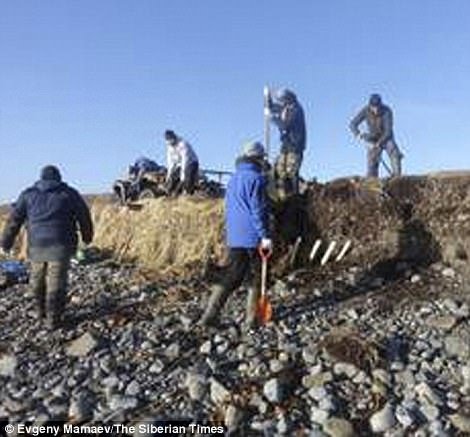

Nature reserve inspector Maria Shitova was part of the team (pictured) who spotted the protruding ribs of the skeleton which will be displayed on the islands. The huge animals belonged to a group of mammals known as Sirenia, named after the mermaids of Greek mythology
According to historical accounts, the species had reduced to remnant populations by the eighteenth century, only remaining in the vicinity of Russia's Bering and Copper Islands.
The species was given the name Steller after German explorer George Steller, who discovered it on an expedition in 1741.

The species was named after German explorer George Steller who first documented its existence during a voyage in 1741. Pictured are some of the bones found by the team
This group survived by hunting sea cows, which traveled in herds and were simple targets. According to some reports, one cow could provide 33 men with food for a month.
According to BBC, rumors regarding the meat of the 4-inch blubber circulated after Stellar claimed that it tasted like almond oil.

Before the Ice Age Stellar's sea cows were found widely along the edge of the Pacific. By the 18th century when they were first discovered by modern man, they were living in waters between two tiny Arctic Islands in the Commander Chain
27 years after modern man discovered it, the last one was slain in 1768.
These hunting expeditions may have contributed to its demise, according to scientists.
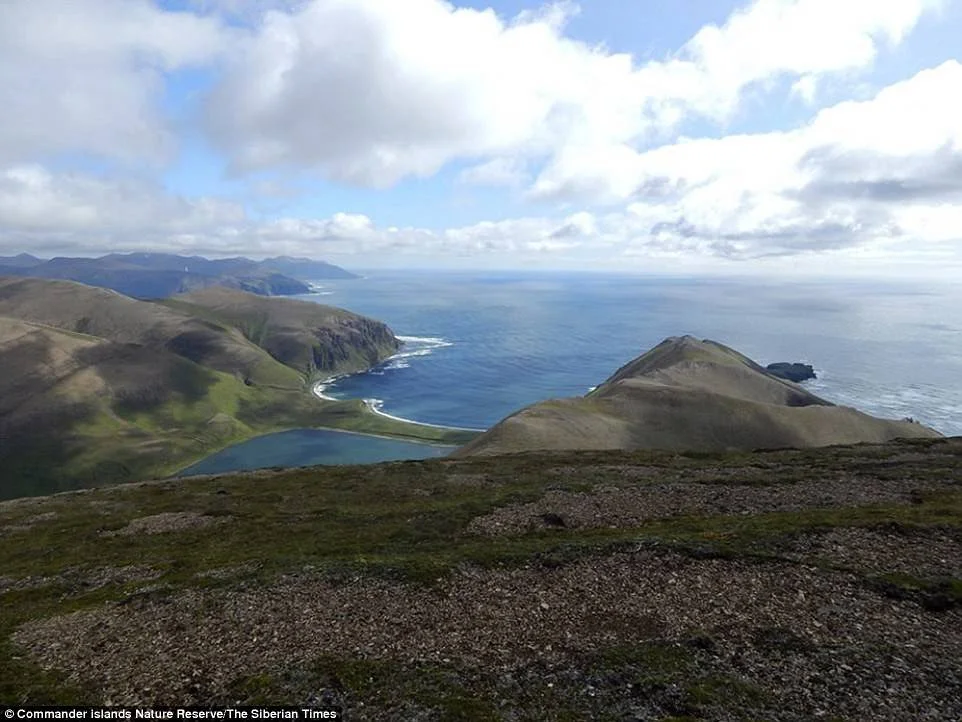
George Steller's team survived life on the Commander Islands (pictured) by hunting the sea cows which moved in herds and were easy prey, with reports suggesting one cow could feed 33 men for a month
According to reports, hunters slaughtered far more sea cows than they could consume because they thought there would always be a supply.

Stellar said the 4-inch blubber of the sea cow (artist's impression) tasted like almond oil, writes BBC , and word spread about its meat. The last one was killed in 1768, 27 years after it was discovered by modern man

Scientists believe these hunting expeditions to the Commander Islands (pictured) could have played a role in its downfall. Reports suggest hunters killed far more sea cow than they could eat as they assumed there was an infinite supply
Francis Drake Sails Around the World
In the following video we will analyze Francis Drake explorations all around the world. Enjoy!
How Did Buddha React to a Prostitute? (Buddha and Ananda Story)
In the video below we will narate a Buddha and Ananda story. Watch the video to find out more!
Plate Movement: 200 Million Years Ago to Present Day
Today’s configuration of continents is dramatically different than it was in the past. See how plate tectonics built and fragmented supercontinents—land masses made of multiple continents merged together—over the past 200 million years.
For more on earthquakes—why they happen, how they’ve shaped the Bay Area, and what you can do to prepare for future events—visit calacademy.org/earthquakes.
The Mythical Creatures of Arabia
In this video we will dive into the world of Middle eastern folklore and talk about some of the mythical creatures that we can find in places like the Arabian Nights. Enjoy!
Trojan War Family Tree | Main Characters from The Iliad Explained
In the following video we will be explaining the family tree of the main characters of Iliad. Enjoy!
The Lost Labyrinth of Egypt is Kept Hidden by their Government
In this video Ben Van Kerkwyk will explain how Egypt's Lost Labyrinth has recently been discovered. However, the public doesn't know this - because the Egyptian government is trying to keep things quiet. What reason do they have to keep the Lost Labyrinth hidden?
Ashoka the Great - Rise of the Mauryan Empire Documentary
The Third Century BC was a notoriously violent time, filled with titanic clashes and amazing personalities. Alexander’s conquests gave way to a period of constant warfare amongst his Seleucid, Ptolemaic and Antigonid successors, while the rising Roman juggernaut began a series of conquests to unite the Italian Peninsula, and fought its Carthaginian Rival, paving the way for future dominance. India during this period was also experiencing revolutionary change, which culminated in the rise of the Mauryan Empire and the reign of Ashoka the Great.
The Bible Theory Iceberg Explained
In the following video we will be explaining the Bible theory iceberg. Watch the video to find out more!
3 Most Cursed Objects That Even The Vatican Fears
Today, we take a look at these 3 most cursed objects that the Vatican fears.
Something that looks so old and cryptic that it gives you a bizarre feeling. It could be something your grandparents passed down to you, or something you have seen in a museum. Many old objects can exude a mystifying aura but when an object causes one to lose their life, it transforms from mystifying to chilling.
Amazing Mat Tents of North Ethiopia - Danakil Desert Dwellers
The hottest place on Earth is the home to the mat tents of the Afar people. These may represent the earliest mobile architecture in the world.
Why Europe Is Insanely Well Designed
In today’s video we will be explaining why Europe is insanely well designed. Watch the video to find out more!

AP Photo/Domenico Stinellis
The square where Julius Caesar was assassinated is now open to the public
The Curia of Pompey, where Caesar was fatally wounded on the Ides of March, is still standing in this plaza. It served as a senators' gathering place.
Tuesday marked the official opening of a historic square where historians think Julius Caesar was fatally stabbed in one of history's most notorious killings.
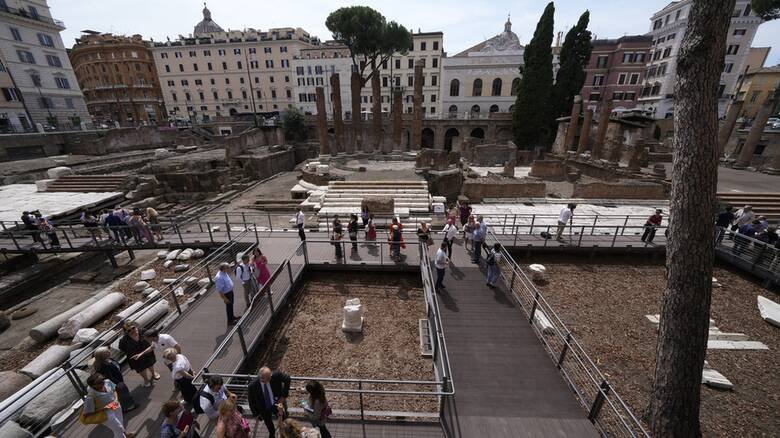
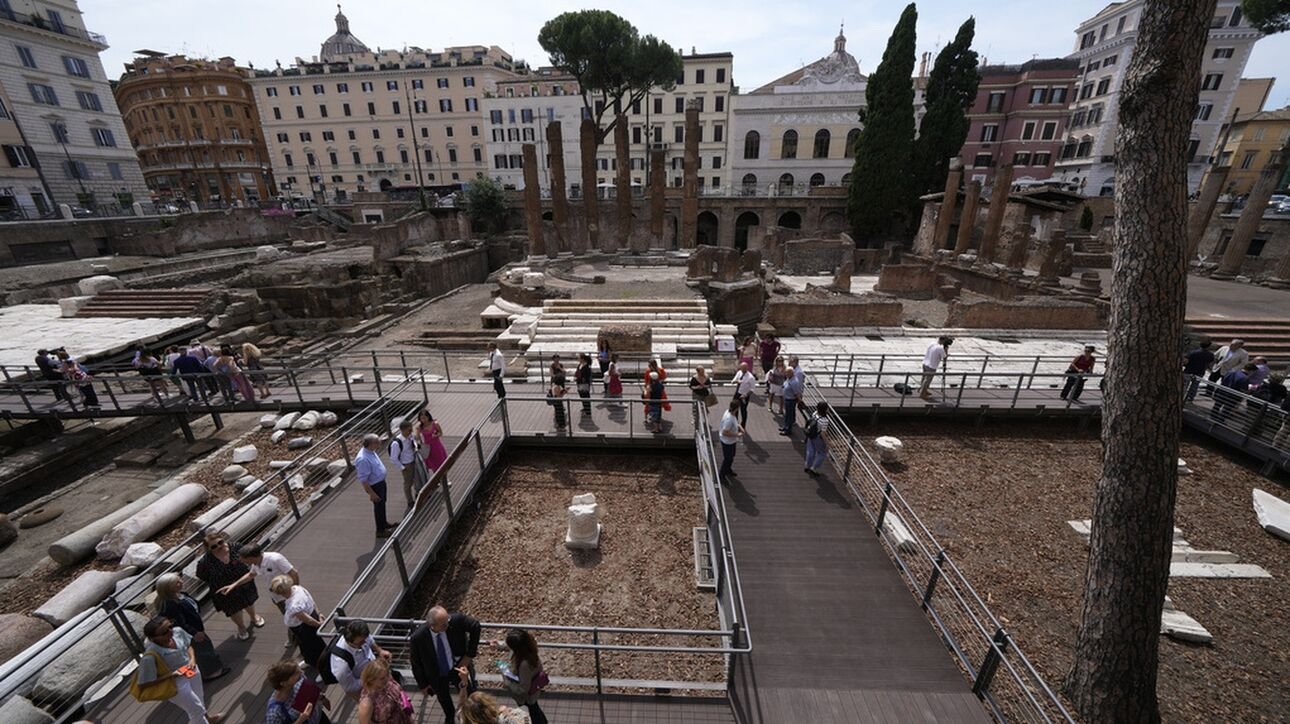
A lowered boardwalk now allows visitors to get a close-up view of the Holy Area of Largo Argentina, which is home to the ruins of four ancient temples in a busy area of downtown Rome, for 5 euros ($5.50).
Moreover, the location is home to the ruins of the Curia of Pompey, where Caesar is thought to have been stabbed to death on March 15 (the Ides of March) in 44 B.C.
The location had been occupied by buildings since antiquity, and it wasn't until 1926 when those structures were torn down that it was rediscovered. Mussolini inaugurated it as a significant historical landmark three years later.
The numerous archaeological finds made at the location throughout the years are also documented in two new exhibition rooms.
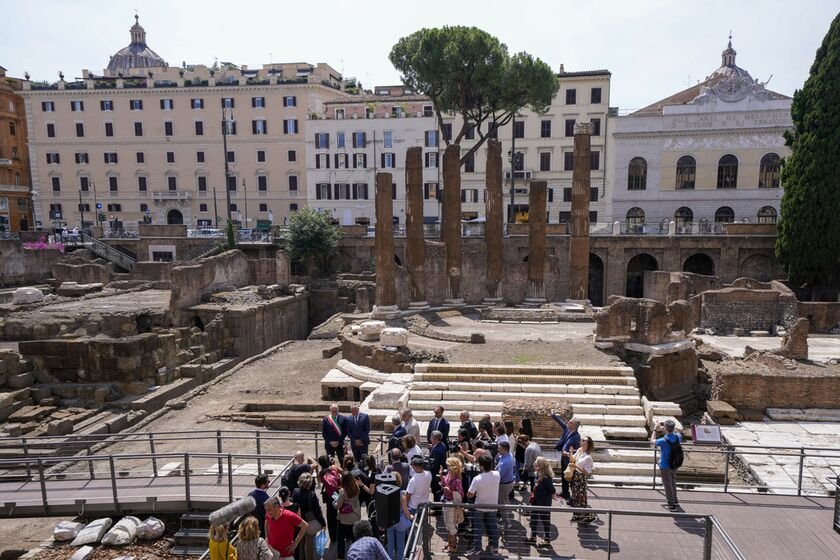
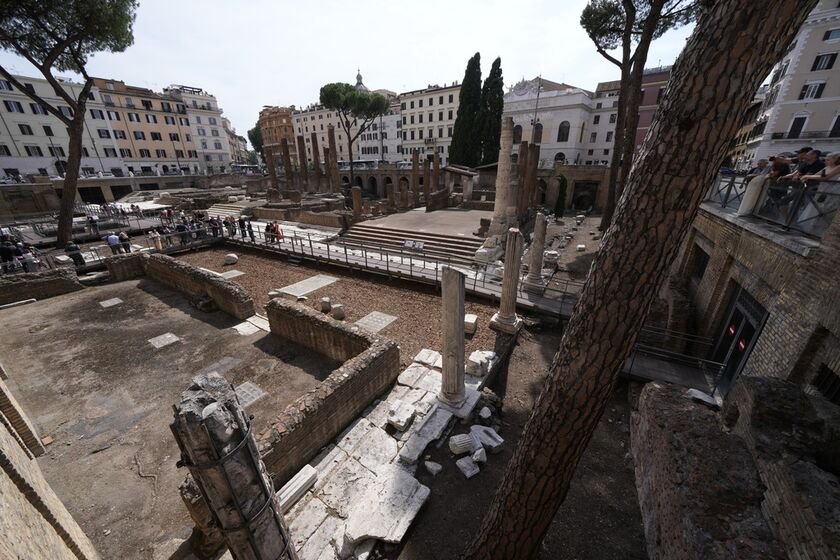
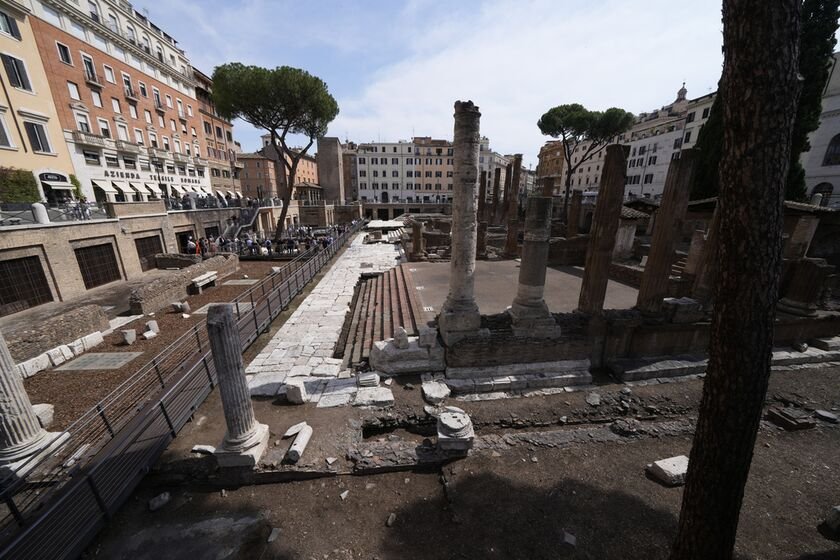
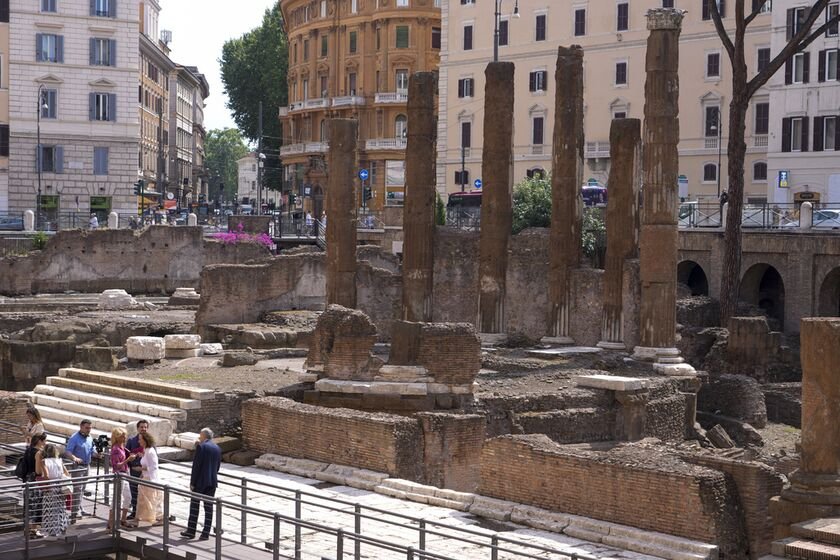
Early in the third century, work began on what is known as Temple C, a building of significance on the site that was apparently erected in honor of the Roman goddess Feronia.
Most of the earlier structures were destroyed by fire in 111 B.C. and 80 A.D., and their remnants were buried beneath a new floor constructed in the first century by the emperor Domitian.
Even if its specifics and broader ramifications are still being discussed, Caesar's death has persisted in Western culture as one of the most seismic political events in history.
There is agreement that Brutus and a number of Roman senators had grown worried about Caesar's growing strength and influence as well as his undermining of the Republic.
Caesar's murder, however, sparked a period of retaliation and civil war that claimed thousands of lives and effectively ended the Republic. In 27 B.C., Octavian, who had been named as his successor and was then known as Augustus, his adopted 18-year-old son, became what is recognized as Rome's first emperor.
Many significant sites have not yet been investigated, and thousands of artifacts have been discovered that have never been displayed in public due to Italy's immense abundance of archaeological treasures.
As additional artifacts are discovered, historians' understanding of ancient Rome continues to change. In May, archaeologists described how people were killed in an earthquake brought on by the massive eruption of Vesuvius in A.D. 79. In April, a new study shed light on the usage of Roman vineyards in theatrical rituals.

How a basement remodeling project led to the discovery of The Derinkuyu Subterranean City
A basement remodeling effort in 1963 produced the archeological find of a lifetime: the 20,000-person Derinkuyu Subterranean City.
In the Turkish village of Derinkuyu, a guy who took a sledgehammer to a basement wall got more home remodeling than he anticipated. He discovered a tunnel behind the wall. More tunnels followed, eventually connecting a huge number of halls and chambers. It was a sizable underground structure that had been deserted by its residents before the fateful stroke of the hammer.
The unidentified Turk, whose name is not mentioned in the paper, had discovered a gigantic underground city that was up to 18 floors tall, 280 feet (76 meters) deep, and big enough to house 20,000 people. Who constructed it, and why? Who abandoned it, when, and why? Some of the answers come from history and geology.
The geology of Cappadocia is incredibly rocky. Derinkuyu is situated in Cappadocia, an area in the Turkish interior famous for its fantastically craggy topography and numerous "fairy chimneys." The erosion of the tuff rock type produced those enormous stone structures. Despite its name, that stone, which was formed from volcanic ash and covers much of the area, is not very durable.
The natives have built their own holes in the soft stone for underground residences, storage areas, temples, and refuges for millennia, taking cues from the wind and rain. There are hundreds of underground homes in Cappadocia, with roughly 40 having at least two floors. None are as big or well-known as Derinkuyu at this point.
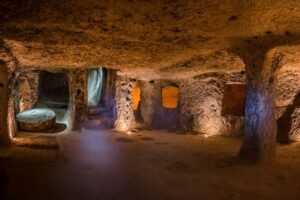
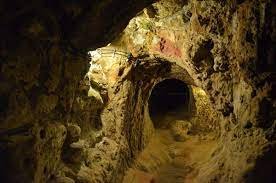
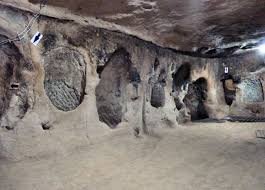
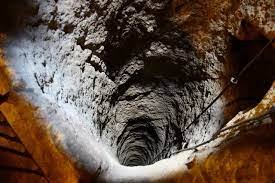
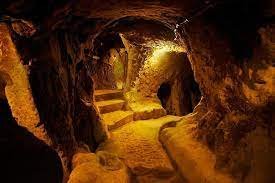
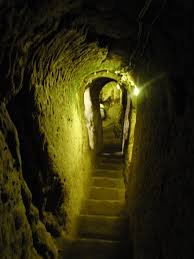
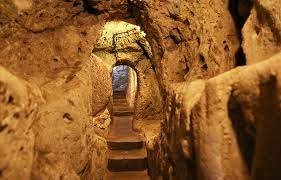
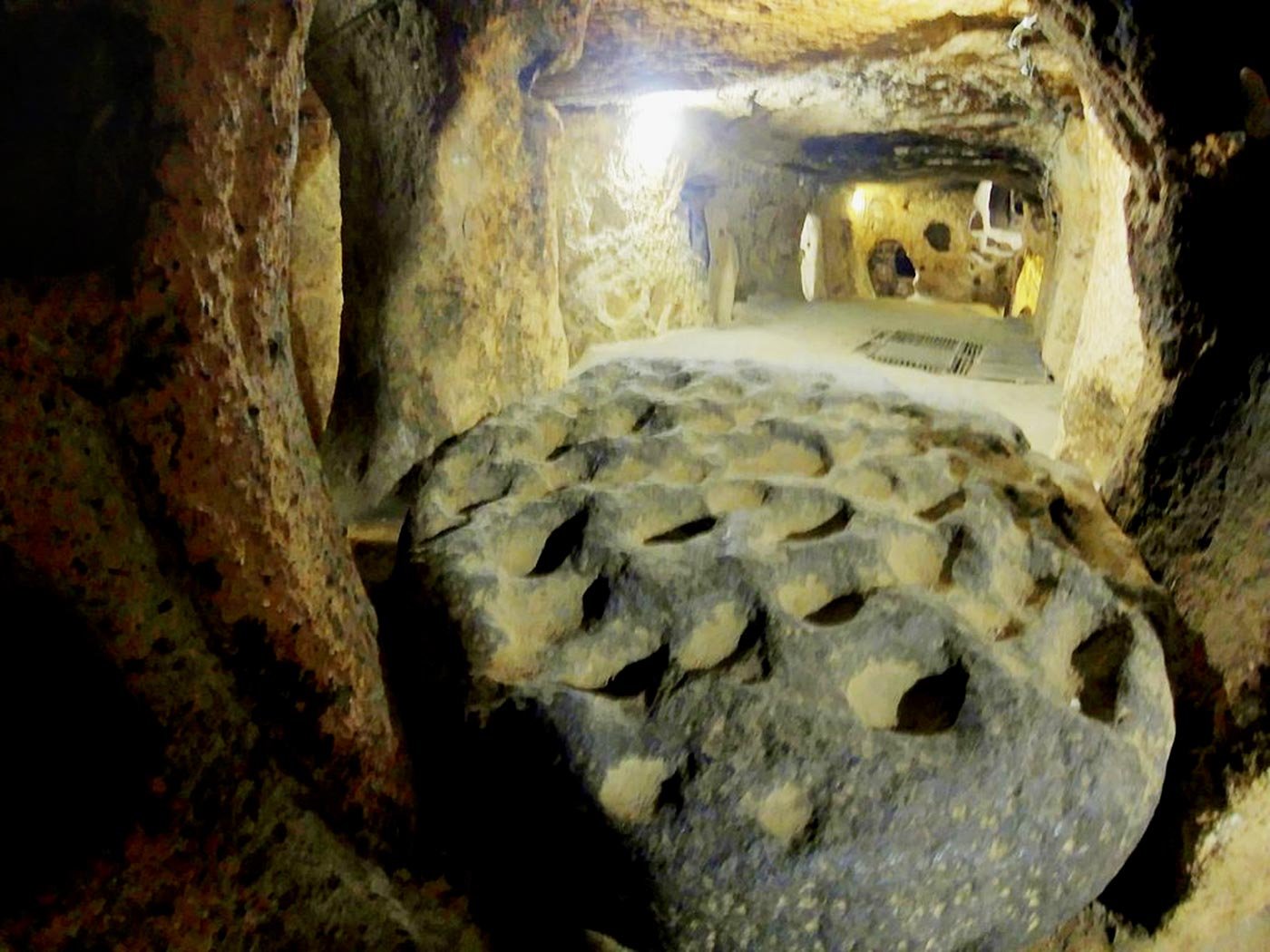
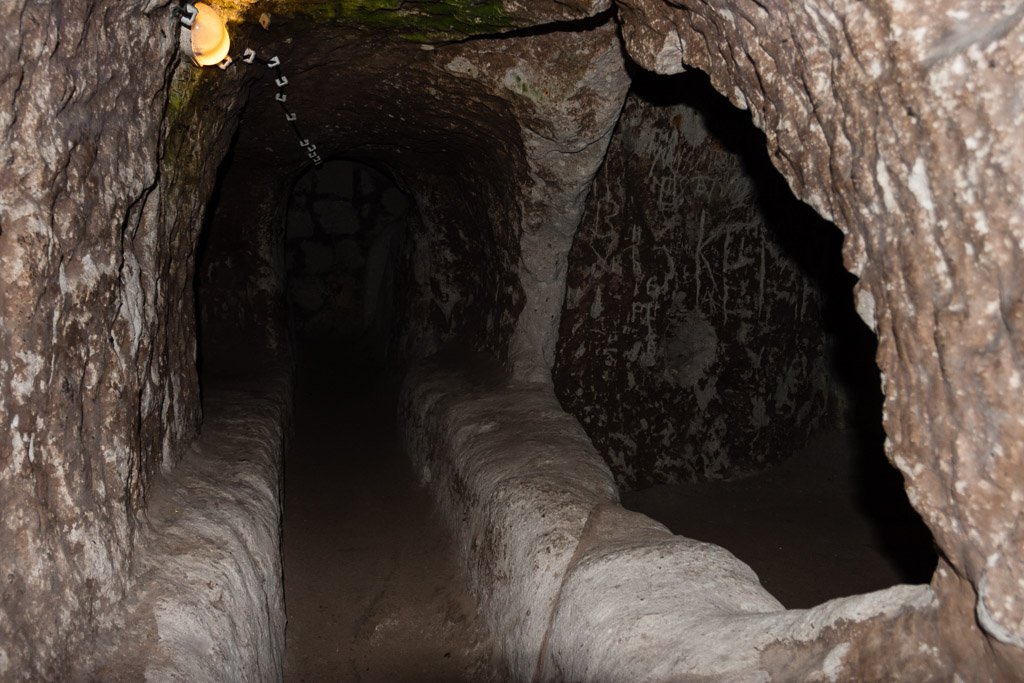
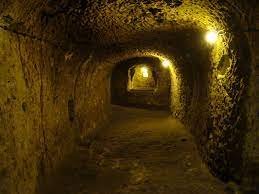
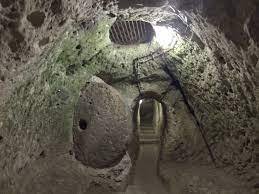
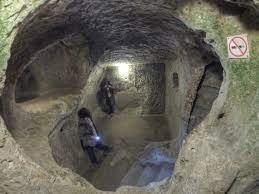
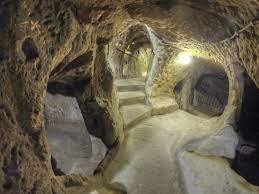
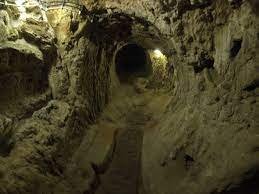
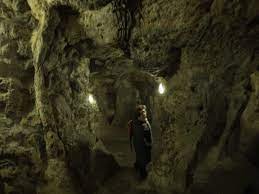
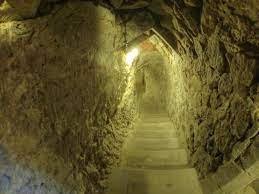
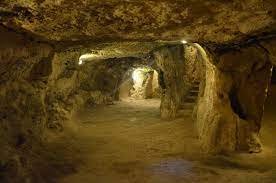
There isn't much unambiguous information on Derinkuyu's origins in the historical record. The oldest portion of the complex may have been excavated around 2000 BC by the Hittites, who were in control of the area at the time, or maybe around 700 BC by the Phrygians. Some assert that the city was constructed in the early centuries AD by local Christians.
Whoever they were, they were very skilled; while cave-ins are a significant risk, the soft rock makes tunneling very simple. Hence, substantial support pillars are required. At Derinkuyu, no floor has ever fallen in.
About the underground facility, we can be more convinced of two things. As evidenced, for instance, by the rolling stones used to seal the city from the inside, the major goal of the colossal effort must have been to hide from invading troops. Second, the complex's latest extensions and modifications, which are clearly Christian in nature, date from the sixth to the tenth centuries AD.
The city was ventilated by a total of more than 15,000 shafts, the majority of which were around 10 cm broad and extended into the first and second floors of the city when it was cut off from the world above. This made sure there was enough airflow all the way to the eighth level.
Living and sleeping areas were located on the top levels, which makes sense given that they had the optimum ventilation. The bottom levels had a dungeon as well as being primarily utilized for storage.
There were areas in between that were used for a variety of things, including a wine press, domestic animals, a monastery, and minor churches. The cruciform church on the seventh level is the most well-known.