• MAIN PAGE
  • LATEST NEWS
    • Lost Cities
    • Archaeology's Greatest Finds
    • Underwater Discoveries
    • Greatest Inventions
    • Studies
    • Blog
  • PHILOSOPHY
  • HISTORY
  • RELIGIONS
    • Africa
    • Anatolia
    • Arabian Peninsula
    • Balkan Region
    • China - East Asia
    • Europe
    • Eurasian Steppe
    • Levant
    • Mesopotamia
    • Oceania - SE Asia
    • Pre-Columbian Civilizations of America
    • Iranian Plateau - Central Asia
    • Indus Valley - South Asia
    • Japan
    • The Archaeologist Editor Group
    • Scientific Studies
    • Aegean Prehistory
    • Historical Period
    • Byzantine Middle Ages
    • Predynastic Period
    • Dynastic Period
    • Greco-Roman Egypt
  • Rome
  • PALEONTOLOGY
  • About us
Menu

The Archaeologist

  • MAIN PAGE
  • LATEST NEWS
  • DISCOVERIES
    • Lost Cities
    • Archaeology's Greatest Finds
    • Underwater Discoveries
    • Greatest Inventions
    • Studies
    • Blog
  • PHILOSOPHY
  • HISTORY
  • RELIGIONS
  • World Civilizations
    • Africa
    • Anatolia
    • Arabian Peninsula
    • Balkan Region
    • China - East Asia
    • Europe
    • Eurasian Steppe
    • Levant
    • Mesopotamia
    • Oceania - SE Asia
    • Pre-Columbian Civilizations of America
    • Iranian Plateau - Central Asia
    • Indus Valley - South Asia
    • Japan
    • The Archaeologist Editor Group
    • Scientific Studies
  • GREECE
    • Aegean Prehistory
    • Historical Period
    • Byzantine Middle Ages
  • Egypt
    • Predynastic Period
    • Dynastic Period
    • Greco-Roman Egypt
  • Rome
  • PALEONTOLOGY
  • About us

A new study examines the history of cannabis use, including necromancy

October 16, 2023

Cannabis has been a subject of fascination for humanity for thousands of years. Its versatile uses, ranging from food to medicine and even the mystical world of necromancy, have captivated our ancestors and continue to intrigue us today. A recent research paper titled "From ancient Asian relics to contemporaneity: A review of historical and chemical aspects of Cannabis," delves into the history of cannabis use, shedding light on its rich and varied past. Authored by Gabriel Vitor de Lima Marques and Renata Barbosa de Oliveira from the Federal University of Minas Gerais, Brazil, this paper explores the multifaceted journey of cannabis through time.

Cannabis, a term encompassing various plants of the genus Cannabis, holds a prominent place in history alongside other staple grains such as rice, soy, barley, and millet. Unlike its contemporary reputation as a recreational drug, cannabis served as an essential resource for our ancestors. It was used not only for its nutritional value but also for manufacturing a wide range of products. Hemp, extracted from the cannabis plant's sturdy stalks, was employed in crafting ropes, sails, clothing, and paper. In fact, during the 19th century, it is estimated that approximately 80% of fabrics, candles, rope, and more were made from hemp.

Ancient Uses and Discoveries

The history of cannabis use dates back thousands of years. Archeological evidence traces its use as far as 8,000 years B.C.E. in ancient Mesopotamia, which encompasses modern-day Iran and Iraq. Additionally, hemp rope material from around 4,000 years B.C.E. has been discovered in regions like China and Kazakhstan, providing further evidence of the plant's historical importance. The cannabis plant has a long and diverse history as a crucial resource for ancient civilizations across the globe.

The research paper also sheds light on the curious intersection of cannabis and necromancy in history. The Ma-fen, an element of the cannabis plant, was mentioned in the world's oldest pharmacopeia, the Pen Ts'ao Ching, originally compiled in the 1st century but dating back to 2,700 B.C.E. When ingested in excess, it was believed to induce hallucinations and enable the user to see demons. In combination with ginseng, it was considered a tool to achieve premonitory powers and enlightenment.

Cannabis's entheogenic properties became apparent in India around 1,000 B.C.E. In ancient Hindu religious texts, known as the Vedas, cannabis was revered as one of the five sacred plants. It was believed to have descended from heaven as a drop of sacred nectar, capable of bringing joy and freedom to those who used it. Common variations of cannabis, such as bhang, ganja, and charas, found their place in religious celebrations, including the Holi festival and Durga Puja.

Furthermore, cannabis played a multifaceted role in ayurvedic medicine, serving as an analgesic, antispasmodic, anti-inflammatory agent, aphrodisiac, and even an abortifacient. Despite its rich history in the East, the Middle Ages and the advent of the Catholic Church demonized the use of cannabis and other herbal medicines in Europe.

From Napoleon to Literary Greats

In the 18th and 19th centuries, the European understanding of cannabis took a new turn. As Napoleon's army invaded Egypt, French scientists studied the use of hashish among local populations. Jacques-Joseph Moreau, a notable researcher, experimented with hashish on himself and his students, exploring its psychotomimetic properties. This marked the beginning of scientific inquiry into the effects of cannabis. Additionally, hashish made its way to France, influencing famous authors such as Alexandre Dumas, Charles Baudelaire, and Victor Hugo.

Moreover, Irish physician William Brooke O'Shaughnessy made significant contributions to the understanding of cannabis in the 19th century. He documented its effectiveness in treating pain, convulsions, and vomiting associated with infectious diseases like rabies and cholera, leading to its inclusion in the British pharmacopeia.

Cultural and Religious Movements

In the mid and late 20th century, cannabis experienced a resurgence in popularity, driven by cultural and religious movements. The likes of jazz, blues, the hippie movement, and Rastafarianism embraced cannabis as a part of their spiritual practices and artistic expressions. Renowned artists such as Bob Marley, Janis Joplin, Jimi Hendrix, The Beatles, and The Doors further fueled its popularity, leaving a lasting impact on popular culture.

Cannabis, with its diverse history and applications, has evolved from an ancient grain to a plant that has stirred cultural, medical, and recreational revolutions throughout history. Despite the setbacks of prohibition, modern research is on the path to uncovering the many mysteries and potential benefits of this remarkable plant. Whether it's used as a psychedelic substance, a medical treatment, or as a source of food and textiles, cannabis remains one of the most controversial and captivating subjects in contemporary human history. As we continue to explore its potential, the story of cannabis unfolds, revealing its place in our past, present, and future.


Neanderthals: The Apex Predators Who Hunted Cave Lions

October 16, 2023

A groundbreaking new study has shed light on the remarkable capabilities and behaviors of our ancient relatives, the Neanderthals. Recent excavations at the Einhornhöhle (Unicorn Cave) in the Harz Mountains, Lower Saxony, Germany, have uncovered evidence that Neanderthals not only hunted cave lions but also used their skins for various purposes. This discovery challenges our perception of Neanderthals as primitive beings and suggests they had a far more complex and advanced lifestyle than previously thought.

In 2019, the excavation team unearthed a treasure trove of Ice Age animal remains, including bones of the extinct cave lion. The bones were discovered in a cave gallery, dating back more than 200,000 years. Among these remains, researchers found a toe bone from a cave lion with a distinctive cut mark. This find was a pivotal moment, indicating that Neanderthals skillfully removed the lion's pelt while keeping its sharp claws attached, presumably to use the skin for their own purposes.

What's more, the bones at Einhornhöhle provided an intriguing context for this discovery. To validate their findings, lead author Gabriele Russo and archaeologist Dr. Annemieke Milks examined the remains of a cave lion found in Bavaria. A closer look at the skeleton revealed unusual damage on a rib. Upon further analysis, they identified the damage as the result of a weapon impact, suggesting that the lion was killed by a spear thrust into its abdomen when it was already on the ground.

Russo noted, "The rib lesion clearly differs from bite marks of carnivores and shows the typical breakage pattern of a lesion caused by a hunting weapon." Dr. Milks added, "The lion was probably killed by a spear that was thrust into the lion’s abdomen when it was already lying on the ground."

This remarkable finding, a 50,000-year-old skeleton, provides the first concrete evidence that Neanderthals not only hunted the apex predator, the cave lion but also consumed its meat. This behavior challenges previous assumptions about Neanderthal hunting practices, suggesting they had the capability to take down formidable creatures.

Cave lions, with a shoulder height of approximately 1.3 meters, were among the most dangerous animals in Eurasia for over 200,000 years. They hunted large herbivores such as mammoths, bison, and horses, as well as the formidable cave bear. Their presence in Ice Age caves is responsible for the name "cave lion."

This discovery also challenges the previous belief that interactions with cave lions as a cultural symbol were reserved for Homo sapiens. Among the earliest artworks of Homo sapiens are the famous Swabian Jura cave paintings, featuring the cave lion as a prominent motif, dated to around 40,000 years ago. Cave lions also appear in rock art panels in the Grotte Chauvet in south-eastern France, dating back about 34,000 years.

Thomas Terberger, speaker of the project, highlighted the significance of the cave lion in Neanderthal culture: "The interest of humans to gain respect and power from a lion trophy is rooted in Neanderthal behavior, and until modern times, the lion is a powerful symbol of rulers."

This discovery contributes to our growing understanding of the behavioral similarities between Neanderthals and early Homo sapiens. Recent findings, such as an engraved giant deer bone from Einhornhöhle, have shown Neanderthals' ability to produce and communicate with symbols. The role of cave lions in Neanderthal culture suggests a level of complexity and cultural development that was previously underestimated.

The Neanderthals, it seems, were not the simplistic beings we once thought them to be. They were skilled hunters, using weapons and tools, and they held symbolic significance, laying the groundwork for the more advanced cultures of Homo sapiens. This study adds a significant piece to the puzzle of our shared human history, showing that our Neanderthal cousins were not only survivors but also apex predators and cultural bearers in their own right.

Ancient Clues in Fossilized Feces: A Glimpse into the Diets of Pre-Columbian Cultures

October 15, 2023

The study of ancient cultures often relies on artifacts and remnants from bygone eras to piece together the puzzle of our human history. Among the more unconventional sources of information, fossilized feces, or coprolites, have emerged as unlikely biographers, offering unique insights into the lives of ancient peoples. In a recent discovery, a 1500-year-old coprolite from Puerto Rico has revealed a surprising twist in the diets of two ancient cultures, the Huecoids and Saladoids. This article delves into the unexpected findings and their implications for understanding the diet, lifestyle, and interactions of these pre-Columbian cultures.

Discovering the Past with Coprolites

Coprolites have long been an essential source of information for archaeologists and anthropologists, as they provide a glimpse into the dietary habits and microbiomes of ancient humans. Furthermore, they can shed light on the viruses and bacteria that affected these populations. The study of pre-Columbian cultures in Central and South America has been particularly intriguing, as it continues to present questions and mysteries.

In a groundbreaking study published in PLOS ONE, a team of researchers from Puerto Rico, Minnesota, and California examined a 1500-year-old coprolite found in Vieques, Puerto Rico. This coprolite originated from two co-inhabiting ancient cultures, the Huecoids and Saladoids, who lived on the island centuries before Columbus's arrival. The research aimed to reconstruct the diets and plant life of these cultures by analyzing plant DNA from the coprolite.

The Expectations and Surprises

The analysis of six Huecoid samples and four Saladoid samples revealed a dietary pattern consistent with the expected foods of the time, such as peanuts, papaya, maize, and chili peppers. However, the researchers made a surprising discovery. In addition to these traditional foods, the coprolite contained traces of cotton and tobacco – two plants not typically considered as edible.

The presence of cotton and tobacco in ancient feces raised eyebrows among researchers. To explain this anomaly, the team floated two plausible hypotheses. They proposed that the ancient cultures might have used cotton oil as a food additive or accidentally ingested cotton fibers while preparing yarn, as women in these cultures were known for their weaving practices. This suggestion is supported by the discovery of cotton DNA between teeth in dental samples from the same cultures. Regarding tobacco, the researchers hypothesized that it might have been ingested through chewing. While no direct reference to chewing tobacco exists in pre-Columbian practices, evidence suggests that a blend of pulverized herbs, including tobacco, could have served as a hallucinogenic snuff. Tobacco also had medicinal and hallucinogenic uses in these cultures.

The Implications for Human Interaction

Beyond the dietary revelations, the findings have broader implications for understanding the interactions between ancient cultures. Jelissa Reynoso-García, the study's first author and a postdoctoral microbiology researcher at the University of California, Davis, suggests that these findings indicate an active trade between the continents and Puerto Rico, possibly extending to other Caribbean islands. Gary Antonio Toranzos Soria, the senior author of the paper and a microbiology professor at the University of Puerto Rico, highlights how this research fits into the larger narrative of commerce. Earlier studies revealed DNA from animals not native to Puerto Rico, suggesting active trade between these ancient cultures and South America, and perhaps Central America. Matthew Biwer, a paleoethnobotany professor at Dickinson College, supports the findings and emphasizes their value in documenting the archaeological connections between South America and the Caribbean. These discoveries enrich our understanding of the complex network of trade and interaction among ancient cultures.

The examination of a 1500-year-old coprolite from Puerto Rico has unearthed remarkable insights into the diets and interactions of pre-Columbian cultures. The presence of cotton and tobacco in the feces of the Huecoids and Saladoids has challenged traditional notions of their dietary habits and hinted at a world of trade and cultural exchange. As researchers continue to delve into the fecal archives of ancient societies, they hope to uncover more secrets about the vibrant history of our ancestors and their connections to distant lands.

Archaeologists Made a Remarkable Discovery from the Aztec Era

October 15, 2023

In the heart of what is now Mexico City, a city with a rich history that dates back to the Aztec era, a team of dedicated archaeologists from the National Institute of Anthropology and History (INAH) have unearthed a remarkable artifact that sheds light on the intricate artistry and culture of the Mexica people. A painted Aztec snake carving, buried beneath the bustling streets of the modern metropolis, has been discovered, offering a glimpse into the grandeur of Tenochtitlan, the capital of the Mexica civilization.

A Glimpse into the Past

Tenochtitlan, the Mexica capital, was a marvel of its time. It was perched on a raised islet in the western part of Lake Texcoco, which is now part of the historic district of Mexico City. Founded by the Mexica, a Nahuatl-speaking indigenous people, the city blossomed following the decline of the Toltec civilization. The Mexica employed a unique system called "chinampas" to transform the islet into a bustling city-state. They created rectangular plots of fertile arable land on the shallow lake beds, allowing them to cultivate crops and sustain their growing population.

As Tenochtitlan prospered, it became a pivotal component of the Triple Alliance, alongside Texcoco and Tlacopan, forming a powerful force in Mesoamerica. By the time Spanish conquistadors arrived in 1519, Tenochtitlan had reached its zenith. The city was home to an estimated population ranging from 200,000 to 400,000 residents, making it one of the largest cities in the world at the time.

The Impact of the Conquest

Tragically, the encounter with the Spanish conquistadors had devastating consequences for the Mexica people. They were exposed to diseases for which they had no natural immunity, and a devastating outbreak of smallpox swept through the population. This led to a significant population decline, with estimates suggesting that over 50% of the region's inhabitants fell victim to this deadly disease.

A Glimpse into Mexica Artistry

Recent excavations, undertaken at the former School of Jurisprudence of the UNAM, located in the Historic Center of Mexico City, have unveiled a stunning Aztec snake carving, buried 4.5 meters beneath the modern street level. The carving is an impressive 1.8 meters in length and 1 meter in height. Remarkably, it was found outside of its original context along with several architectural elements.

The excavation team was fortunate in preserving the rich colors of the carving, thanks to the unique conditions in the soil. Traces of ochre, red, blue, black, and white pigments have survived, covering over 80% of the carving's surface. To ensure the preservation of these fragile pigments, which provide insight into the Mexica's color palette for decorating cult images and temples, researchers have employed a humidity chamber. This preservation work will continue into 2024 to ensure that the painting endures for future generations to admire.

Barajas Rocha, who played a significant role in conserving the color on the monolith of the goddess Tlaltecuhtli, explained the importance of this painstaking preservation process, stating, "These pigments, which represent a typical example of the color palette that the Mexica used to decorate their cult images and their temples, are extremely fragile due to the mineral and plant materials from which they were obtained."

The discovery of this painted Aztec snake carving offers a rare glimpse into the artistry and culture of the Mexica civilization. It reminds us of the rich history that lies beneath the modern streets of Mexico City, a city that was once the magnificent capital of an empire that thrived long before the arrival of the Spanish conquistadors. As the preservation work continues, this remarkable artifact will continue to enrich our understanding of the Mexica people and their contributions to the world of art and civilization.

Deciphered 3500-year-old Mysterious Hieroglyphs Found in Hattusa's Yerkap Tunnel

October 15, 2023

In the heart of Turkey's Anatolian region lies a treasure trove of ancient history – Hattusa, the former capital of the Hittite Empire. This city, dating back to the Bronze Age around 2000 BC, has long fascinated archaeologists and historians with its enigmatic ruins and inscriptions. Recently, an exciting discovery has been made in Hattusa that sheds new light on this ancient civilization: the deciphering of mysterious hieroglyphs found in the Yerkapı Tunnel.

The Yerkapı Tunnel, a famous passage that every visitor traverses in the Hattusa Ruins, has been the subject of archaeological attention for years. In 2022, Associate Professor Dr. Bülent Genç, a faculty member of the Archaeology Department at Mardin Artuklu University, made a groundbreaking discovery. In the tunnel's inner walls, a total of 249 symbols, believed to be 3500 years old, were found. These symbols are Anatolian hieroglyphs, a writing system consisting of around 500 different signs.

Perhaps the most significant revelation from the deciphered hieroglyphs is the identity of the person responsible for the construction of the Yerkapı Tunnel. The inscriptions prominently feature the name "Arişadu," and his title, thus providing a glimpse into the individual responsible for this remarkable structure.

In addition to the name "Arişadu," the hieroglyphs contain references to "Tuthaliya Mountain" and "road," visible on the tunnel's western side. This combination of symbols hints at the tunnel's purpose: as a road leading to Tuthaliya Mountain.

Tuthaliya Mountain holds great significance in Hittite culture. It is considered a sacred mountain, so revered that several Hittite kings derived their royal names from it. The road symbol in the hieroglyphs suggests various interpretations, such as "the road from Tuthaliya," "the road leading to Tuthaliya Mountain," or "the road passing through Tuthaliya Mountain."

The head of the excavation, Prof. Dr. Andreas Schachner, highlights the significance of these findings: "Due to the presence of these symbols in a tunnel, my hypothesis is whether we can associate Yerkapı with Tuthaliya Mountain or if there is an artificially constructed Tuthaliya Mountain, because from the outside, especially when viewed from the plains, Yerkapı is at the highest point of Hattusa and is therefore visible from all sides. It is located in a manner befitting a sacred place."

What makes this discovery particularly intriguing is the insight it provides into the Hittite civilization's use of Anatolian hieroglyphs. Prof. Dr. Schachner notes that these hieroglyphs served as signatures or expressions of accomplishment by the individuals responsible for various structures. Unlike cuneiform script, which was more elite and state-centric, Anatolian hieroglyphs appear to have had a broader range of applications, including everyday communication, city navigation signs, and more.

This deciphering of the Yerkapı Tunnel hieroglyphs represents a significant step in understanding the Hittite era and the culture that once thrived in Hattusa. As researchers continue to explore this ancient city, we can only anticipate more revelations that will shed further light on this enigmatic civilization.

Hattusa, with its UNESCO World Heritage status, continues to be a treasure trove of historical discoveries, offering a unique window into the ancient world. The deciphered hieroglyphs in the Yerkapı Tunnel are a testament to the ongoing importance of archaeological research in uncovering the secrets of our past.

The coin hoard was found at a site associated with the MacDonalds of Glencoe

Discovered Treasure Links Coin Hoard to the 1692 Glencoe Massacre

October 15, 2023

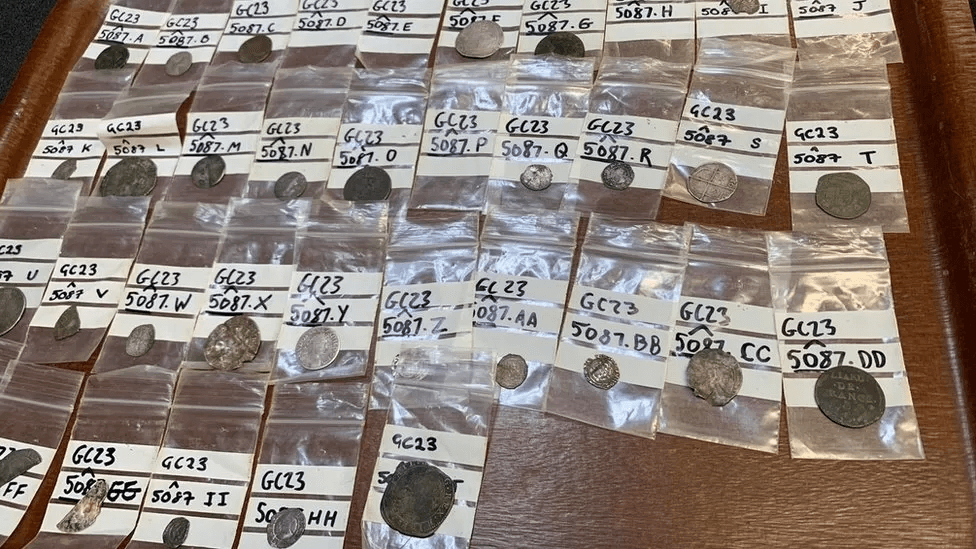
In a remarkable archaeological discovery, a student archaeologist has uncovered a pot of ancient coins beneath the ruins of a house associated with Clan MacDonald of Glencoe, a group notoriously targeted in the 1692 Glencoe Massacre. These coins may have been hidden by a victim of the tragic event that unfolded on that fateful day. The find, consisting of 36 coins, adds an eerie layer to the already haunting tale of Glencoe's massacre.
The Glencoe Massacre: A Dark Chapter in Scottish History

The infamous Glencoe Massacre took place in February 1692 when almost 40 members of Clan MacDonald of Glencoe met a grisly fate at the hands of British soldiers. The MacDonalds were targeted because of their support for the exiled King James VII of Scotland and II of England, backing the restoration of the Stuart dynasty. They were late in delivering an oath of allegiance to the Protestant King William III, which branded them as rebels. The soldiers, who had been billeted with members of the clan, turned on their hosts on February 13, 1692, leading to a brutal attack. Some survivors tried to escape into the harsh snowstorm that had engulfed the region, including Gleann Leac-na-muidhe, where the recently discovered coin hoard was concealed.

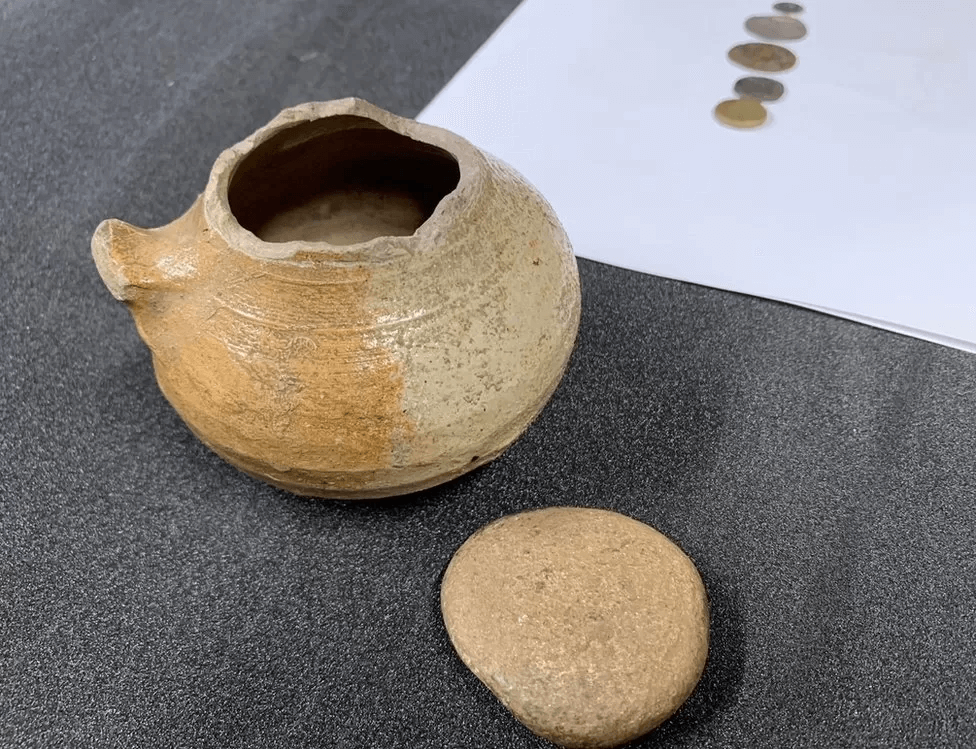
Lucy Ankers found the coins inside a pot with a pebble lid

The discovery of the coin hoard was made by Lucy Ankers, a student on her inaugural archaeological dig. The 36 coins, sealed within a pot secured with a small round pebble as a lid, were strategically placed beneath a hearth stone slab in the fireplace of the clan chief's house. These coins are a rich tapestry of history, dating back to the late 1500s and continuing into the 1680s, spanning the reigns of Elizabeth I, James VI and I, Charles I, the Cromwellian Commonwealth, and Charles II. The collection also features coins from France, the Spanish Netherlands, and even one that seems to have originated in the Papal States. Notably, none of the coins were minted after the 1680s.

University of Glasgow excavations director Eddie Stewart with one of the coins

Clues to the Past

The University of Glasgow's archaeological team, which led the excavation, has pieced together a compelling narrative linking the coin hoard to the massacre. The presence of coins from the late 1500s to the 1680s suggests that they were deposited under the fireplace either just before or during the killings for safekeeping. What makes this discovery even more chilling is that the coins appear to have been left untouched. This could imply that the individual who buried them did not survive the massacre. It is a haunting testament to the turmoil that unfolded within the walls of that very house more than three centuries ago. Dr. Michael Given, a co-director of the archaeological project in Glencoe, expressed the significance of these findings, "These exciting finds give us a rare glimpse of a single, dramatic event. Here's what seems an ordinary rural house, but it has a grand fireplace, impressive floor slabs, and exotic pottery imported from the Netherlands and Germany. And they've gathered up an amazing collection of coins in a little pot and buried them under the fireplace."

The coins have been identified by archaeologists from the University of Glasgow

The discovery of the coin hoard beneath the ruins of a house connected to the MacDonalds of Glencoe serves as a poignant reminder of the dark and turbulent history of the Scottish Highlands. These coins offer a tangible link to the tragic events of 1692, evoking the memory of the victims and the harrowing circumstances they faced. As archaeologists continue to unearth hidden secrets in Glencoe, they paint a vivid picture of a past that continues to haunt the present.

The pot contained 36 coins

The fireplace where the coins were discovered

A memorial to the massacre in Glencoe

The Oldest Interlingual Inscriptions of Antiquity: Windows into Ancient Multilingualism

October 15, 2023

BY DIMOSTHENIS VASILOUDIS


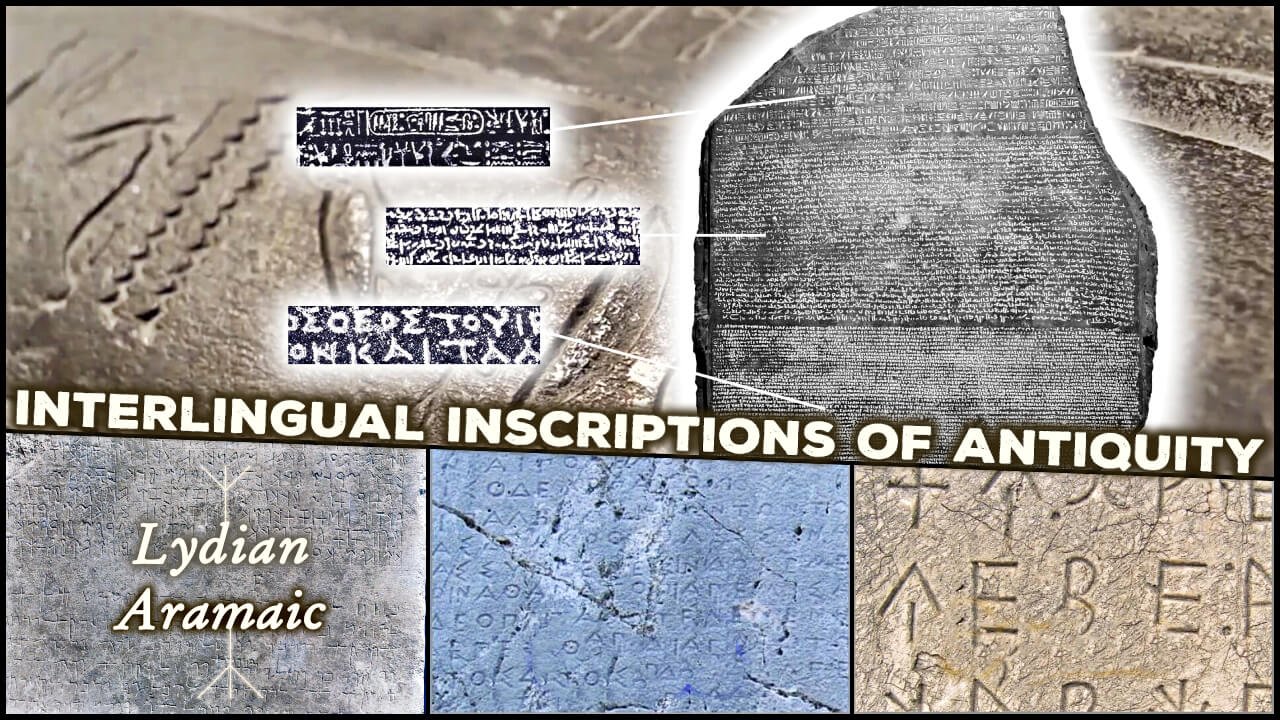
Interlingual inscriptions—texts inscribed in multiple languages—stand as testaments to ancient multilingualism, offering unparalleled insights into cross-cultural interactions and providing scholars with the keys to unlocking long-forgotten languages.


contents

  • The Rosetta Stone

  • The Letoon Trilingual Stele

  • The Xanthian Obelisk

  • The Behistun Inscription

  • The Galle Trilingual Inscription

  • The Canopus Decree (Canopus Stone)

  • The Sardis Bilingual Inscription

  • King Ezana’s Stone

  • The Meroitic scripts of the Kingdom of Kush

  • The Pyrgi Tablets

  • The Bilingual Inscription of Kulamanu from Karatepe

  • The Idalion Bilingual


Societies have flourished and interacted throughout history, leaving behind artifacts, buildings, and inscriptions that serve as reminders of their past. Interlingual inscriptions, or texts written in multiple languages, are among the most remarkable of these. They have been used by researchers to interpret extinct languages in addition to serving as proof of ancient multilingualism. Let's examine some of the oldest and most well-known multilingual inscriptions.


1. The Rosetta Stone

Unearthed near Rosetta (Rashid) in the Nile Delta region of Egypt in 1799, the Rosetta Stone is undoubtedly one of the most famous archaeological discoveries. This granodiorite slab boasts inscriptions in three scripts: Ancient Egyptian hieroglyphics, Demotic script, and Ancient Greek. With the known Ancient Greek as a reference, scholars, most notably Jean-François Champollion, were able to decipher the hieroglyphs in 1822, unraveling the mysteries of ancient Egyptian writing.


2. The Letoon Trilingual Stele

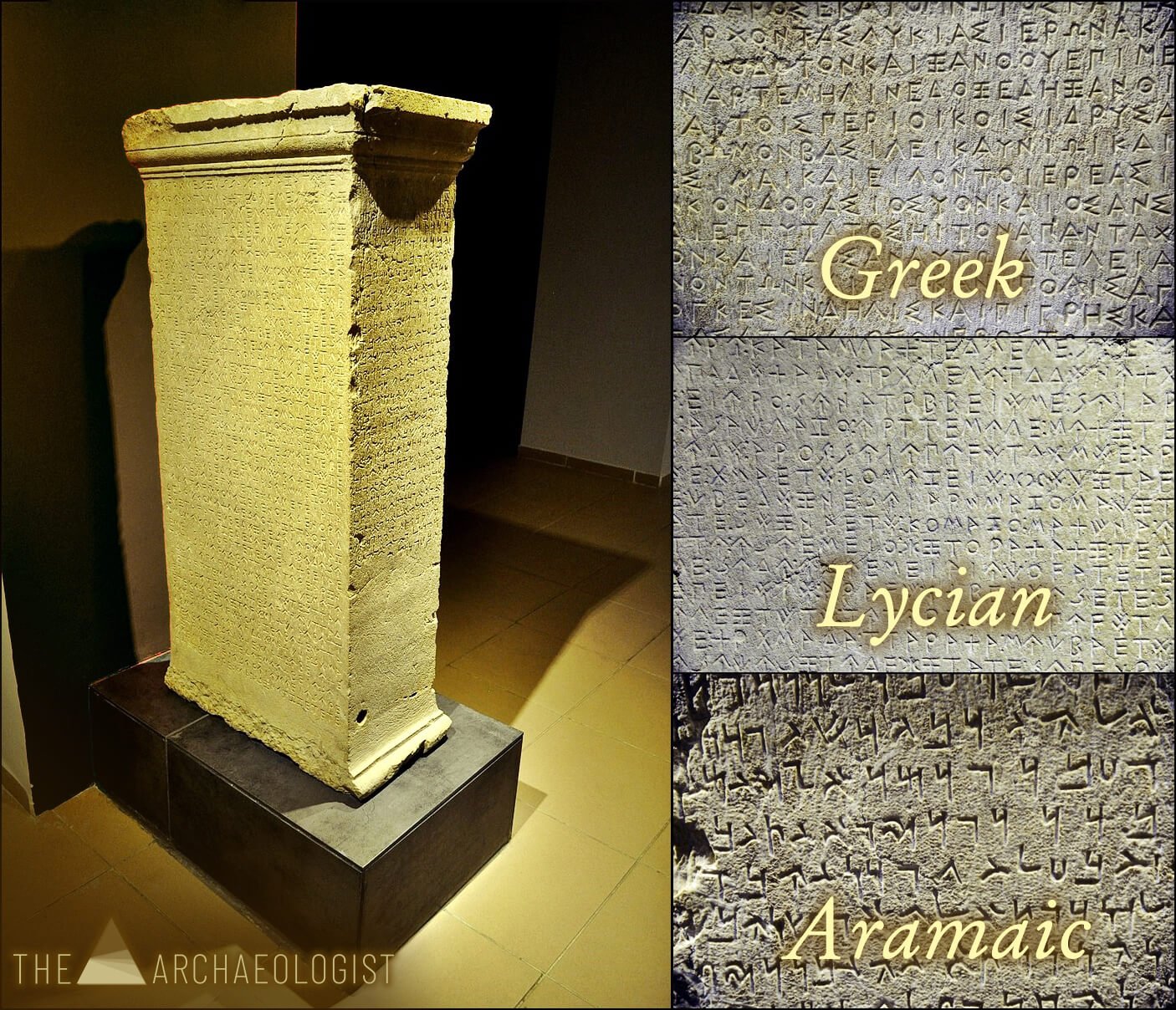
Located at the Letoon Sanctuary near the ancient city of Xanthos in present-day Turkey, the Letoon Trilingual Stele offers inscriptions in three different languages: Ancient Greek, Lycian, and Aramaic. Dating back to the 4th century BC, this inscription primarily commemorates the achievements of a local prince named Arbinas. The stele has provided scholars with crucial clues for deciphering the Lycian language.


3. The Xanthian Obelisk

Also found in the vicinity of Xanthos, the Xanthian Obelisk, or Xanthos Stele, is a tower-like monument from the 5th century BC with inscriptions in both Greek and Lycian. While less famous than the Letoon Trilingual, the obelisk was instrumental in understanding Lycian B, a variant of the Lycian language.


4. The Behistun Multilingual Inscription

A remarkable example of an ancient interlingual inscription is the Behistun Inscription, situated in modern-day Iran. Originating from the era of Darius the Great in the 5th century BC, the inscription is monumental not only in its physical presence, carved dramatically into a cliff face, but also in its linguistic significance.

The Bisotun Inscription presents texts in three different cuneiform script languages: Old Persian, Elamite, and Babylonian (a version of Akkadian). It delineates the victories of Darius the Great against the usurper Gaumāta and subsequent revolts, projecting Darius as a divinely appointed king.

The trilingual nature of the inscription was essential in deciphering cuneiform, specifically through the efforts of British army officer Sir Henry Rawlinson in the 19th century. By comparing the three parallel texts, scholars unlocked the secrets of cuneiform scripts, unleashing a deeper understanding of the various civilizations that used them. The Bisotun Inscription thus offers a vivid illustration of the pivotal role of multilingual texts in historical and linguistic research.


5. The Galle Trilingual Inscription

Erected in 1411 in Sri Lanka by the Chinese explorer Zheng He, the Galle Trilingual Inscription contains texts in three languages: Chinese, Tamil, and Persian. It commemorates the offerings made by Zheng He to a Buddhist temple and stands as an enduring testament to ancient maritime routes and cultural exchanges.

The inscription begins with invocations to Buddhist, Hindu, and Islamic deities, reflecting the religious diversity and harmonious coexistence of multiple faiths. It exemplifies the syncretism in religious and cultural practices in both the places Zheng He visited and perhaps in his own crew, illustrating the interconnectedness of ancient civilizations.

The trilingual inscription reflects the maritime prowess of the Ming Dynasty and its diplomatic interactions with various countries. Zheng He's voyages are crucial events that mark the historical silk and spice routes, highlighting the vibrant maritime trade and cultural exchanges that took place across the Indian Ocean.


6. The Canopus Decree (Canopus Stone)

Similar to the Rosetta Stone, the Canopus Decree is a stele that dates back to 238 BC. Found in the ancient Egyptian city of Canopus, the inscription features texts in both hieroglyphic and Greek. The decree praises Ptolemy III for his deeds and establishes a new cult in his honor.


7. The Sardis Bilingual Inscription

The Sardis Bilingual Inscription, dating back to the 4th century BC, is a pivotal artifact in deciphering the ancient Lydian language, similar to the role the Rosetta Stone played for Egyptian hieroglyphs. Lydian was an extinct language spoken in Lydia, modern-day Turkey, during the 1st millennium BC. The inscription, discovered in 1912 in the ancient capital of Lydia, Sardis, consists of texts in both Lydian and Aramaic languages, providing a basis for comparative analysis and eventually leading to the understanding of Lydian.

Enno Littmann was one of the pioneers in decoding the Lydian language. This discovery has had a profound impact on historical linguistics, shedding light on the socio-cultural and historical context of ancient Lydia and emphasizing the importance of bilingual inscriptions in reconstructing lost languages. The Sardis bilingual inscription serves as a bridge to the past, allowing contemporary scholars to connect with the ancient Lydians through their language and history.


8. King Ezana's Stone

King Ezana's Stone, erected in the ancient city of Axum, Ethiopia, during the 4th century CE, remains a pivotal discovery in understanding the complex matrix of language, power, and religion in the region during this era. This artifact is fascinating due to its tri-lingual nature, featuring inscriptions in Ge’ez, Sabaean, and Greek.

Ezana was the ruler of the Kingdom of Aksum, a significant trading empire that spanned territories in present-day Ethiopia and Eritrea. His reign marked a transformative period in the region’s history, notably adopting Christianity as the state religion. King Ezana’s Stone reflects this epochal shift through its inscriptions, offering a royal proclamation that underscores the ruler’s might and his newfound Christian faith.

Each of the three languages on the stone provided a means of communicating with different audiences. Greek was a lingua franca of sorts across many regions due to the prior influence of the Hellenistic world. Sabaean was included due to Axum's interactions and connections with the Sabaean kingdom across the Red Sea, and Ge’ez, being the local language, represented the language of the Axumite people.

Thus, King Ezana's Stone not only offers insights into the Axumite Kingdom’s linguistic milieu but also illustrates the potent intertwining of political power and religious conversion. Additionally, it acts as a bridge connecting different civilizations through language, providing modern scholars with a tangible link to understanding the dynamics of ancient Northeast Africa and its interactions with surrounding regions. Consequently, it is a priceless artifact in the realms of linguistics, history, and the study of early Christianization in Africa.


9. The Meroitic scripts of the Kingdom of Kush

While there was not a single inscription, the ancient African Kingdom of Kush (modern-day Sudan) used a script known as Meroitic, which appeared in both cursive and hieroglyphic forms. Occasionally, Egyptian hieroglyphs appeared alongside Meroitic texts, revealing the cultural and linguistic exchanges between ancient Egypt and Kush.


10. The Pyrgi Tablets

Discovered in the ancient Etruscan port of Pyrgi (modern Italy) in 1964, these gold leaf inscriptions from the 5th century BC provide parallel texts in Etruscan and Phoenician. They record the dedication of a temple by Thefarie Velianas, the ruler of Caere, to the Phoenician goddess Astarte.


11. The Bilingual Inscription of Kulamanu from Karatepe

Phoenician part of the inscription / photo Klaus-Peter Simon on Wikimedia Commons

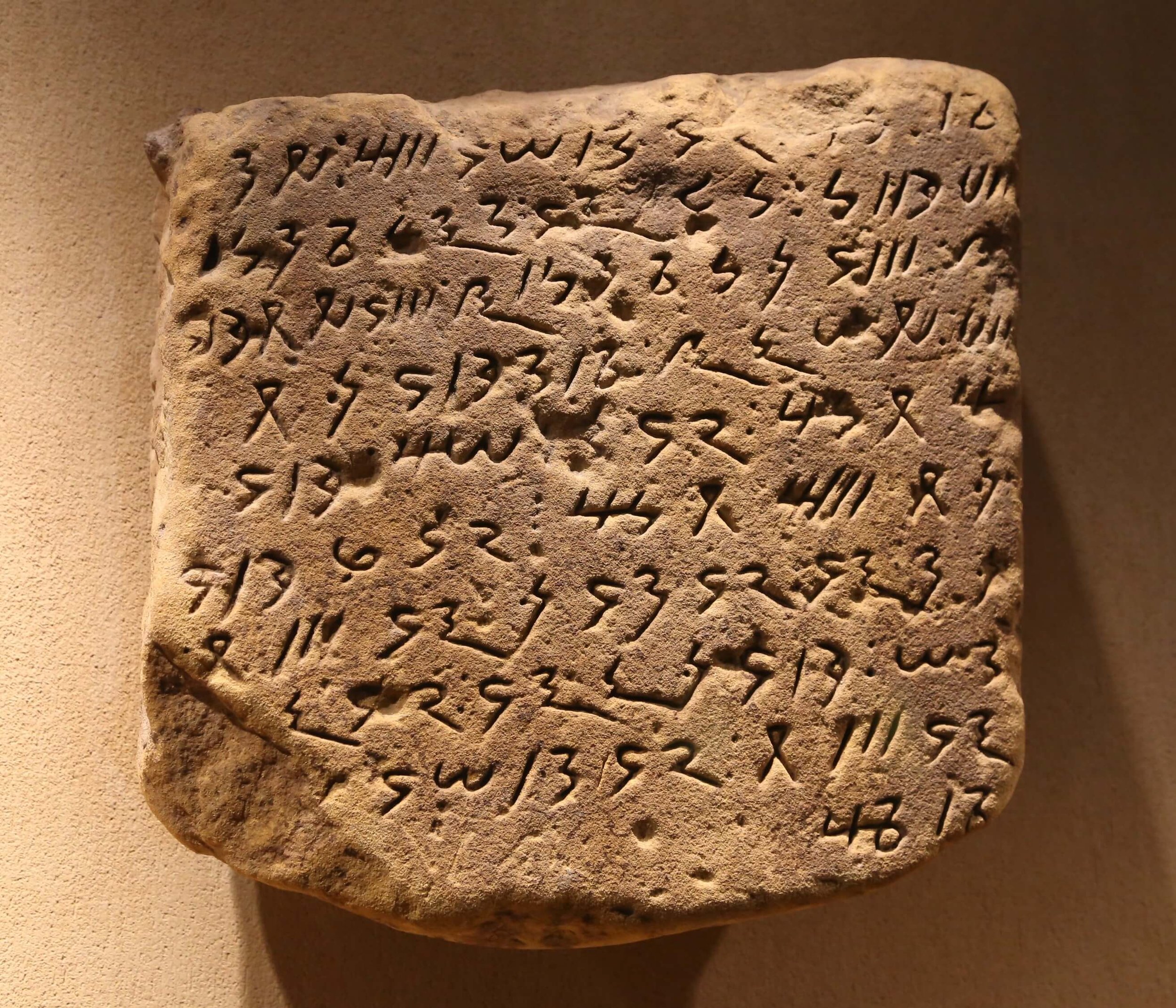
This inscription, from the late 8th century BC, was discovered at the Hittite fortress of Karatepe in Turkey. It provides texts in Phoenician and Luwian hieroglyphics, celebrating the achievements of the local ruler, Azatiwada. It is known as KAI 26 and has served archaeologists as a Rosetta stone for deciphering Luwian glyphs.


12. The Idalion Bilingual

The Idalion Bilingual is a significant archaeological artifact currently housed in the British Museum. It was discovered in Cyprus and played a crucial role in deciphering the Cypriot syllabary, an ancient script used from the 11th to the 4th centuries BC. This bilingual inscription contains the same text in both the well-known Phoenician alphabet and the previously undeciphered Cypriot syllabary. It provides a parallel text in Phoenician and Greek, offering an essential resource for historians and linguists seeking to comprehend the linguistic and political landscapes of ancient Cyprus.

The discovery of the Idalion Bilingual allowed scholars to decode the Cypriot syllabary by comparing corresponding words and phrases in both scripts. This breakthrough had profound implications, shedding light on ancient Cypriot history, culture, and language. It provided insights into religious practices, administrative systems, economic activities, and the linguistic evolution of the region. The Idalion Bilingual serves as a testament to the power of archaeology in unraveling the mysteries of the past and underscores the interconnectedness of human societies.

Legacy of Linguistic Bridges: The Timeless Significance of Interlingual Inscriptions

The abundance of multilingual inscriptions that have been found all across the world indicates how cosmopolitan the ancient world was. They are essential to our comprehension of linguistic evolution and historic diplomatic ties, and they emphasize the importance of cultural and linguistic interaction across civilizations. By spanning languages and civilizations, these inscriptions shed light on the universal human experience throughout time and space.


references

  1. The Rosetta Stone

    "The Rosetta Stone," by E.A. Wallis Budge, 1989

  2. The Letoon Trilingual Stele

    "Lycia: History, Monuments, and Inscriptions," by G. E. Bean, 1968

  3. The Xanthian Obelisk

    "The Lycians in Literary and Epigraphic Sources," by M. Z. Çalışkan, 1988

  4. The Behistun Inscription

    1. "The Behistun Inscription of Darius the Great: Babylonian Version," by L. W. King, R. C. Thompson, 1907

    2. "Darius I and the Persian Empire," by Hywel Clifford, 2016

  5. The Galle Trilingual Inscription

    "Zheng He's Maritime Voyages (1405–1433) and China's Relations with the Indian Ocean World: A Multilingual Bibliography," by Roderich Ptak, 2014

  6. The Canopus Decree (Canopus Stone)

    1. "The Decree of Canopus: In Hieroglyphics and Greek, with Translations and an explanation of the hieroglyphical Characters," by S. Birch, 1866

    2. "Ptolemaic Egypt," by Jean Bingen, 2007

  7. The Sardis Bilingual Inscription

    "Aramaic Inscriptions and Documents of the Roman Period," By Joseph Naveh (2003)

  8. King Ezana’s Stone

    "Ancient Ethiopia," by David W. Phillipson (2009)

  9. The Meroitic scripts of the Kingdom of Kush

    "Meroe City: An Ancient African Capital," by P. L. Shinnie, 1996

  10. The Pyrgi Tablets

    "The Etruscan Language: An Introduction," by Giuliano and Larissa Bonfante, 2002

  11. The Bilingual Inscription of Kulamanu from Karatepe

    "The Hieroglyphic Luwian Inscriptions of the Iron Age," by Annick Payne, 2012.

In Anatolia Tags Archaeology's Greatest Finds, History, The Archaeologist Editorial Group, Dimosthenis Vasiloudis

Illustration by Dimosthenis Vasiloudis

The Sardis Bilingual Inscription: The "Rosetta Stone" of the Lydian Language

October 15, 2023

By Dimosthenis Vasiloudis


In the historical conundrum of deciphering ancient languages, a singular artifact often emerges as the key, illuminating the path toward understanding the words of ancient civilizations. For the ancient Egyptian hieroglyphs, the Rosetta Stone performed this pivotal role, revealing the secret of a once-lost language. Likewise, in the pursuit of comprehending the ancient Lydian language, a specific artifact—the Sardis bilingual inscription—has proven indispensable.

Background on Lydian Language and Sardis

Lydian is an extinct language that was spoken in the region of Lydia, in western Anatolia (modern-day Turkey), during the 1st millennium BC. The Lydian civilization thrived in a period that was rich in cultural exchange, economic developments, and political intrigue. Their language, written in a unique script, remained a historical mystery for centuries due to the scarcity of comprehensive linguistic material available for study.

Sardis, the ancient capital of Lydia, where lush landscapes met burgeoning urbanization, played a significant role in unlocking the enigma of the Lydian language. The city harbored an array of inscriptions, but the Sardis bilingual inscription is particularly notable due to its crucial role in decoding the language.

The Discovery of the Sardis Bilingual Inscription

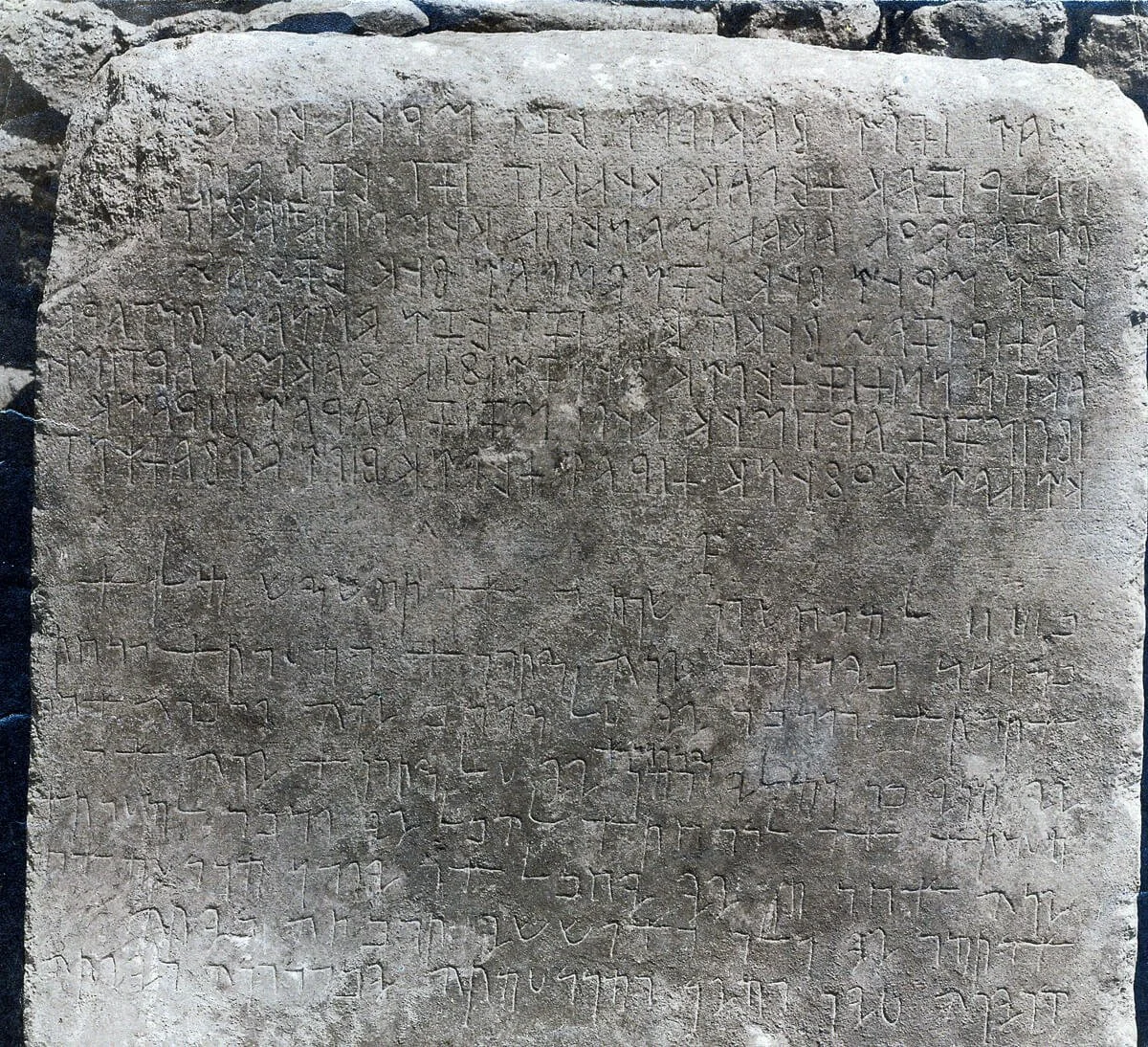
The Sardis bilingual inscription, a remarkable artifact from the 4th century BC, stands as a testament to ancient linguistic exploration. This Lydian-Aramaic funerary inscription was serendipitously unearthed in 1912 during an excavation conducted by the American Society for the Excavation of Sardis.

This remarkable find proved to be the equivalent of the "Rosetta Stone" for unlocking the mysteries of the Lydian language, a monumental breakthrough in the field of linguistics. The inscription begins with an Aramaic script and meticulously records the date as the tenth year of Artaxerxes, believed to be Artaxerxes II, placing its creation in the year 394 BC. This date is a crucial anchor for historians and scholars studying this period of history.

Today, the Sardis bilingual inscription is housed in the İzmir Archaeology Museum, where it continues to captivate visitors with its historical significance. This Aramaic inscription is cataloged as KAI 260, and its comprehensive analysis was first presented to the world in 1917 by the eminent scholar Stanley Arthur Cook.

Interestingly, the inscription was discovered in a secondary location, having been repurposed during the Greek or Roman era as a building material for a robust, low wall. This wall once graced the northern slope of the Nekropolis hill, situated to the west of the Paktolos River. Alongside this bilingual marvel, several other inscriptions were discovered, hinting at the rich tapestry of history woven into this ancient site.

This artifact, inscribed with texts in both Lydian and Aramaic languages, offered a unique comparative tool for scholars aiming to decrypt the mysterious Lydian script. Unlike Lydian, Aramaic was relatively well understood by researchers, thereby providing a comparative basis to tease apart the intricacies of the Lydian language.

Decrypting the Lydian Language

A person named Enno Littmann figured out how to understand the Lydian language by studying these writings. He looked at the two versions of the text, found the letters they used, learned some basic words, tried to translate some sentences, explained how Lydian words worked, and even noticed that some of the writings had special poetry.

Eight years later, another person named William Hepburn Buckler found 51 more of these special writings. By 1986, there were 109 of them, and a person named Roberto Gusmani studied them in detail. People still find new writings like these from time to time.

Most of the Lydian writings were discovered in or around a place called Sardis, which was the capital of Lydia. However, there are not many long writings. Most of them are just a few words or incomplete. These writings are often on materials like marble or stone, and they usually have to do with burials. Some of them are like official statements, and a few seem to be poems with a special way of writing.

The writings on tombs often start with the words "this grave." The shorter writings are usually things like drawings on walls, words on coins, seals, marks from pottery, and similar things. Sometimes, the words of a Greek poet named Hipponax from a long time ago are mixed with the Lydian words, especially the slang words that people used.

Enno Littmann: A Pioneer in Oriental Studies and Exploration

Enno Littmann (1875–1958) was a distinguished German orientalist known for his significant contributions to oriental studies. He held prominent academic positions at various universities, including Strasbourg, Göttingen, Bonn, and Tübingen. Littmann's work encompassed deciphering inscriptions in ancient languages like Palmyrene and Nabataean, as well as translating historical texts from ancient Ethiopian monuments. Notably, he translated "One Thousand and One Nights" into German. Littmann's scholarly pursuits were complemented by his adventurous spirit, leading him to explore and immerse himself in cultures such as the Tigre people in Eritrea and the Aksum expedition in Ethiopia. His legacy continues to impact the fields of linguistics, translation, and cultural understanding.

The Impact on Historical Linguistics and Studies

The Sardis bilingual inscription has significantly impacted historical linguistics and the study of ancient Anatolian civilizations. By unlocking the Lydian language, researchers have gained access to a wealth of information, not only linguistically but also with respect to the socio-cultural, economic, and political contexts of ancient Lydia. This has enabled scholars to reconstruct aspects of Lydian civilization, enhancing our understanding of their society, belief systems, and interactions with neighboring civilizations.

Furthermore, the successful deciphering of the Lydian language has broader implications for the field of historical linguistics. It exemplifies the significance of bilingual inscriptions in the reconstruction of lost languages and underlines the interconnectedness of ancient civilizations through language and writing.

In conclusion, the Sardis bilingual inscription is a luminous testament to the rich, complex history embedded in the language and script of ancient civilizations. Much like the famed Rosetta Stone, it has forged a linguistic bridge to the past, allowing contemporary scholars to converse with ancient Lydians through the remnants of their language. The Sardis bilingual inscription not only unraveled the mysteries of the Lydian language but also brought to light the potent capabilities of linguistic detective work in the continual quest to comprehend our multifaceted historical tapestry.

In Anatolia Tags Dimosthenis Vasiloudis

The Rich Tapestry of Ancient Anatolian Languages

October 15, 2023

By The Archaeologist Editor Group


Anatolia, or Asia Minor, boasts a complex linguistic history, with its landscapes sown by numerous cultures and empires over millennia. From the Hittites to the Phrygians, this vast peninsula has been a cradle of myriad languages, some of which are Indo-European, while others hail from different linguistic families. Here’s a journey through the ancient languages of Anatolian cultures known until now.

Hattic

Antecedent to the Hittites in Anatolia were the Hatti, speaking a language we now refer to as Hattic. Hattic was maybe a non-Indo-European language and is known to us primarily through Hittite texts, where it was preserved in religious and cultic contexts. The Hittites, upon establishing themselves in Anatolia, seemingly absorbed various aspects of Hattic culture and religion, venerating Hattic deities and maintaining Hattic rituals. The language itself is known from a plethora of Hittite texts, which contain Hattic loanwords and phrases. Though Hattic was eventually eclipsed by the Indo-European Hittite language, its impact lingered in Hittite religious practice and nomenclature.

Hittite

The Hittites inhabited Anatolia from the 18th to the 12th centuries BCE, establishing a formidable empire in the region. Their language, Hittite, belonging to the Indo-European family, has been deciphered from the abundant cuneiform tablets found at the capital, Hattusa. This language provided early linguists with one of the first glimpses into the Indo-European linguistic past due to its conservative characteristics.

Luwian

Luwian was another significant language in ancient Anatolia, spoken by the Luwians, who occupied southern and western Anatolia. Luwian was inscribed in both cuneiform and an indigenous hieroglyphic script. It was contemporaneous with Hittite and was also an Indo-European language, yet it outlived Hittite, playing a pivotal role in the post-Hittite era.

The Sultanhan monument is a stele with Luwian hieroglyphic inscription; found at Sultanhan; Museum of Anatolian Civilizations, Ankara, Turkey

Palaic

Palaic was spoken in the northern region of Anatolia and is known from tablets found in the Hittite capital, indicating it was preserved for liturgical purposes. While Palaic is also of the Indo-European lineage, it is scantily attested, thus shrouding many aspects of this language in mystery.

Lydian

In western Anatolia, the Kingdom of Lydia flourished from the 15th to the 6th century BCE. Lydian, an Indo-European language, was utilized by the Lydians and is primarily known from funerary inscriptions. Notably, Lydia was renowned for its innovations in economic systems, being among the first to utilize coinage.

The Sardis bilingual inscription was the "Rosetta Stone" for the Lydian language.

Lycian

Lycia, on the southern coast of Anatolia, birthed the Lycian language, another member of the Indo-European family. Lycian is known from a number of inscriptions, revealing a society that operated a unique federation system, which is often alluded to in its texts.

Phrygian

The Phrygians, originating from the Balkans, made their home in central Anatolia and spoke Phrygian. It is an Indo-European language and has a fair amount of inscriptions that illuminate aspects of Phrygian culture, mythology, and religious practices.

Urartian

Urartu, in the eastern part of Anatolia, spoke Urartian, a language that was not part of the Indo-European family. Instead, it belonged to the Hurro-Urartian family. Urartian is known from numerous inscriptions that provide a lens into the lives, wars, and religious beliefs of the Urartians.

Carian

The Carians, who occupied the southwestern part of Anatolia, spoke Carian, a language that still puzzles linguists due to its elusive features. While considered to be part of the Anatolian subgroup of Indo-European languages, much about Carian remains to be uncovered.

Hans van Deukeren - Own work

Map showing locations where inscriptions in the Carian language have been found, in Caria proper, Egypt, or Mainland Greece. Map is based on data in I.J. Adiego, The Carian Language (Handbuch der Orientalistik) (2007).

Kashkian

The enigma that is Kashkian remains shrouded in mystery to this day. The Kashka people, believed to have lived in northern Anatolia, were persistent adversaries of the Hittite Empire. In the Hittite annals, the Kashka are frequently referenced as troublesome neighbors, perpetually launching incursions into Hittite territory. However, little is known about their language, Kashkian, due to the scarcity of direct textual evidence. The Kashkian language and its possible affiliation with any known language family, including Kartvelian, remain speculative and unclear. Many aspects of their language and culture remain speculative and hinge on future archaeological and linguistic discoveries.

Pisidian

Pisidia, situated in the mountainous region of southern Anatolia, housed a myriad of ancient cities like Termessos and Sagalassos. Pisidian, the language of this region, is relatively obscure, owing to the limited corpus of inscriptions. The inscriptions we do possess are often bilingual, offering texts in both Greek and Pisidian, which has facilitated partial understanding. Notwithstanding, Pisidian remains an elusive language. Its classification is still a matter of debate among scholars, with theories vacillating between affiliations with the Hittite-Luwian subgroup and those with the wider Anatolian language family. The understanding of Pisidian culture and language might significantly benefit from further research and archaeological findings.

Anatolia has been a vibrant mosaic of languages and cultures throughout history, bridging the East and the West. While many aspects of these ancient languages have been deciphered, countless mysteries still slumber beneath the Anatolian soil, waiting to be unearthed and explored. This rich and varied linguistic history underscores the diverse array of peoples and societies that have called Anatolia home, each contributing threads to the intricate tapestry of its historical narrative.

In Anatolia Tags Dimosthenis Vasiloudis

Temples and Celestial Tapestries: Chichen Itza’s Astronomical and Cultural Enigmas

October 14, 2023

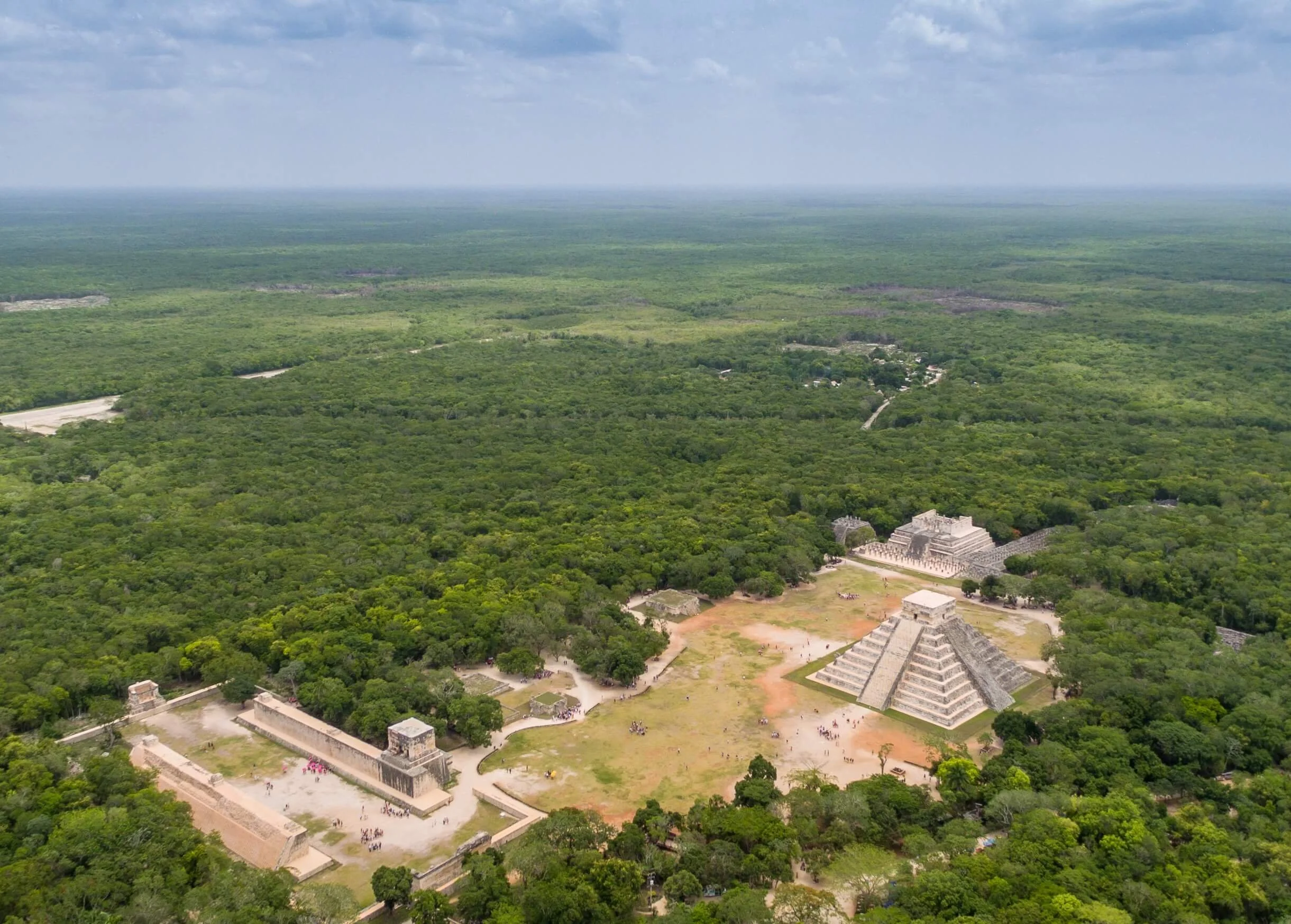
In the verdant expanses of the Yucatán Peninsula, the stone colossi of Chichen Itza stand in testament to the boundless celestial and cultural pursuits of the ancient Maya civilization. Emanating from the massive structures and intricately carved stones is a mystique that transcends time, hinting at the cosmic tapestries woven by this once-vibrant civilization.

A Sacred Nexus of Time and Space

Nestled amidst the lush tropical forests, Chichen Itza, with its staggering El Castillo pyramid, sacred cenotes, and ethereal carvings, serves as a conduit between the terrestrial and the astronomical, reflecting the Maya’s profound understanding of cosmic cycles. The Kukulkan Pyramid, known for the serpentine "descent" of the god Kukulkan during the equinoxes, is an architectural and astronomical marvel that orchestrates light and shadow into a celestial dance.

The Maya: Stellar Navigators

The Maya were unrivaled stellar navigators and calendrical visionaries of their time. Their sophisticated understanding of the cosmos was intimately intertwined with their daily lives, religious practices, and societal organization. El Caracol, or the Observatory, with its peculiar round shape and strategically placed windows, exemplifies their intricate knowledge of Venus’s cycles and other celestial phenomena, aligning perfectly with the planet's appearances and disappearances on the horizon.

Reflections of Belief in Stone

Chichen Itza isn't merely a reflection of scientific acumen but also a stone tapestry of the spiritual and cultural values of the Maya. The Platform of Skulls, Tzompantli, paints a grisly picture of the civilization’s rituals, revealing aspects of their beliefs in life, death, and the afterlife. Similarly, the Great Ball Court echoes the symbolic resonance of the epic ball games that were far more than a sport, serving as a metaphor for the celestial battles that ruled the heavens.

A Metropolis of Power and Decline

As an epicenter of political power and spiritual pilgrimage, Chichen Itza thrived, weaving together the myriad city-states of the Maya under a common cosmological and cultural umbrella. Yet, as with all civilizations, it was not immune to decline. The reasons, lost amidst the vines and stones, may be a mosaic of resource depletion, internal strife, and climate variability. The ruins stand as silent witnesses to their rise and fall, holding tales of power, conquest, and surrender within their weathered walls.

A Continual Unraveling

Despite centuries of study, Chichen Itza retains its mystical shroud, prompting scholars and explorers to continually seek answers from its astronomical alignments, architectural marvels, and storied stones. As we walk amidst its ruins, we engage in a dialogue with our ancestors, seeking to understand their worldview, which seamlessly entwined the spiritual with the scientific.

The temples and celestial tapestries of Chichen Itza are far more than mere stone structures; they are chronicles of a civilization that looked to the stars to guide their terrestrial journey, a philosophy that melded the divine with the daily, and a culture that, even in its decline, left an indelible mark upon the canvas of human history.

In exploring and preserving Chichen Itza, we do not merely uncover the secrets of the past; we ensure that the celestial songs of the Maya continue to echo through the corridors of time, whispering ancient wisdom to generations yet unborn.

In Americas

The National Trust has said the cold bath is possibly the only one ever built in an assembly room

Rare Georgian Cold Bath Discovered in Bath Assembly Rooms

October 14, 2023

In a thrilling excavation project conducted by Wessex Archaeology, a hidden gem from the 18th century has been uncovered beneath the Bath Assembly Rooms - a cold bath, unlike any other. This serendipitous discovery, concealed beneath rubble since the harrowing days of World War Two, has sparked intrigue and fascination among historians and archaeologists alike.

The Bath Assembly Rooms, constructed between 1769 and 1771 by the talented architect John Wood the Younger, were a hub for social gatherings, dances, and elite meetings in the heart of Bath, a city known for its natural hot spring waters. However, this newly unearthed cold bath may shed light on a lesser-known aspect of the city's history, where cold bathing was also endorsed as a therapeutic practice.

The cold bath was buried underneath rubble until recent excavations

The cold bath, hidden under layers of debris, is believed to be a one-of-a-kind feature within an assembly room, suggesting it was intended for an "exclusive experience." Tatjana LeBoff of the National Trust commented on the find, stating, "There are many elements of this discovery that are still a mystery. It is a rare, if not unique, surviving example, and possibly it was the only one ever built in an assembly room. We are still researching records, letters, diaries, and other documents to see what more we can find out that will help us piece it all together."

This archaeological marvel provides an essential link to the past, allowing historians to delve deeper into the ways in which the people of the Georgian era embraced both hot and cold bathing for their health and well-being. During the 18th century, cold baths were recommended by medical professionals as a form of therapy, involving a brisk dip into cold water, followed by a rapid warm-up. The juxtaposition of the cold bath with the hot spring waters that Bath is renowned for adds a layer of historical context to the find.

Bath Assembly Rooms were a place for socialising in a number of ways, including dancing

The excavation revealed not only the cold bath but also a niche where a statue or sculpture would have been placed, enhancing the overall opulence of the Bath Assembly Rooms. The rubble unearthed during the excavation is likely remnants from the Luftwaffe bombings during World War Two, suggesting that the bath had remained buried and forgotten for decades. Bruce Eaton, the archaeologist overseeing the project, commented, "Although historical records indicated that there was a cold bath buried beneath the Bath Assembly Rooms, we had no idea what preservation of the bath would be like. The building suffered damage at the hands of the Luftwaffe, and the rooms were remodeled in the late 20th century."

The Assembly Rooms' history is intricately linked with the medical theories of its time. The New Bath Guide of 1778, for instance, mentioned "…a commodious cold-bath, with convenient dressing-rooms." This find emphasizes the importance of incorporating the latest health and wellness trends of the period into the design of social spaces, reflecting the fusion of medical knowledge and architectural elegance.

Many people wanting to use the cold bath would have arrived by sedan chair, like the ones on the right in this old engraving

The National Trust, now responsible for the Assembly Rooms, is committed to ongoing research to unravel the history of this remarkable cold bath. The unique archaeological evidence discovered promises to provide new insights into Georgian-era society, its devotion to wellness, and the evolution of architectural trends.

The Bath Assembly Rooms have always been a place for socializing, dancing, and elite gatherings. Now, with this newfound treasure, visitors have the opportunity to explore this rare and historical cold bath as part of behind-the-scenes tours during selected weekends in October. As historians and archaeologists delve deeper into the mysteries of this extraordinary find, the Bath Assembly Rooms continue to surprise and delight us with the untold stories of the past, reminding us of the hidden treasures waiting to be unearthed beneath the surface of history.

Libya flood disaster damaged ancient city but revealed new remains

Flooding in Libya ruined an ancient city but uncovered new ruins

October 14, 2023

In a tragic turn of events, the recent flooding that devastated Derna, Libya, had severe repercussions on the historical site of Cyrene, an ancient Greek city nestled in the eastern Libyan mountains. The calamitous floodwaters wreaked havoc on the city's ruins, but amid the destruction, they also unearthed hidden archaeological treasures. This article delves into the aftermath of the flood, which simultaneously inflicted damage on Cyrene's historic structures while unveiling a previously unknown Roman-era treasure trove.

The Unprecedented Flooding

Storm Daniel unleashed a deluge of rain, an unparalleled event since records were first kept in the mid-19th century, drenching the hills of eastern Libya. The unprecedented downpour resulted in a staggering one meter of rainwater, causing rivers and streams to swell to a dangerous magnitude. The flooding took a heavy toll on Derna, claiming the lives of thousands and leaving a trail of destruction in its wake. As the waters receded, the extent of the disaster became evident.

The historic city of Cyrene, locally known as Shehat, found itself at the mercy of this merciless deluge. Cyrene, which was a Greek colony and a prominent city in the ancient Hellenic world, later thrived under Roman rule until it was laid to waste by an earthquake in the year 365. These ancient ruins have long been a point of attraction for travelers, drawing visitors from across the globe since the 18th century.

The torrential floodwaters inundated the picturesque ruins of Cyrene, causing mud and rubble to accumulate, particularly in the Greek-era baths. These damages are extensive and will require specialized clearing and restoration efforts, as noted by Adel Boufjra, an official from the local antiquities department.

Libya flood disaster damaged ancient city but revealed new remains

Revealing Hidden Treasures

While the flooding has undoubtedly posed a considerable risk to Cyrene's historical heritage, it has, in an unexpected twist, unveiled an exciting archaeological find. The waters cleared away layers of earth and stone, revealing a previously undiscovered Roman drainage system. According to Boufjra, "The flooding has revealed a new site - a water canal that I believe dates back to the Roman era. It is a distinctive discovery for the city."

This newfound Roman-era drainage system offers archaeologists and historians a unique glimpse into the ancient city's infrastructure. The channel's design and purpose, previously obscured by centuries of accumulated debris, can provide valuable insights into how the city was built and managed during Roman times.

Preserving the Past

As the city of Cyrene grapples with the aftermath of this natural disaster, there is now an urgent need to balance the restoration efforts required to protect the existing historical structures with the opportunity to explore and document the newly revealed archaeological finds. The delicate task of preserving the past while uncovering its secrets has always been a challenge for researchers and preservationists.

The recent flooding in Derna, Libya, brought about a catastrophe that claimed numerous lives and severely impacted the historical site of Cyrene. While it caused damage to the city's ancient structures, it also unveiled a hidden gem - a Roman-era drainage system that has remained concealed for centuries. This revelation serves as a stark reminder of the fragile coexistence between nature's destructive power and humanity's enduring quest to uncover and preserve the secrets of the past. As restoration efforts commence, Cyrene's story continues, offering a glimpse into the enduring legacies of civilizations long gone.

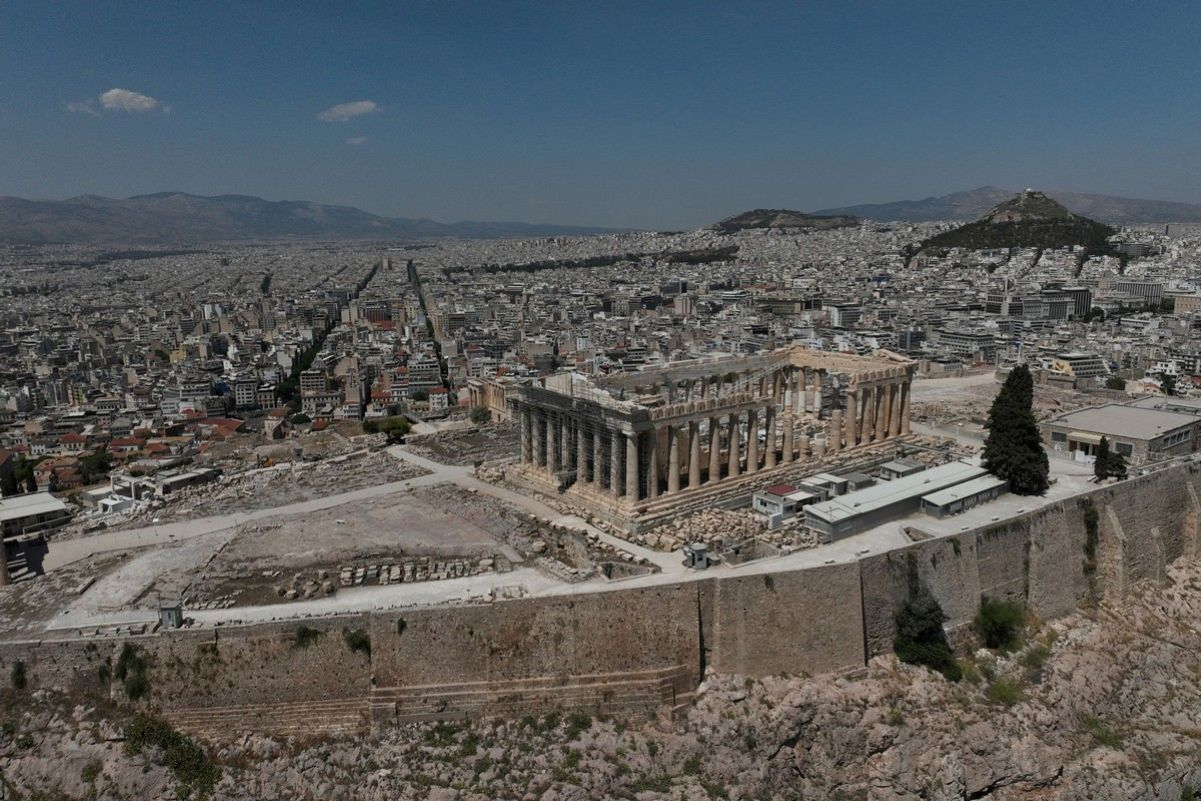
A man holds up a tablet showing a digitally overlayed virtual reconstruction of the ancient Parthenon temple, at the Acropolis Hill in Athens, Greece. (AP )

Travel Back in Time with Chronos: Ancient Greek Sites Brought to Life with Augmented Reality

October 14, 2023

The beauty and grandeur of ancient Greek sites have always fascinated history enthusiasts and travelers from around the world. Walking through the remnants of classical antiquity, one could only imagine what these ancient wonders looked like in their prime. However, thanks to a groundbreaking app named Chronos, visitors to Greece can now embark on an interactive journey to the past, uncovering the vivid history of Greek cultural heritage. Chronos utilizes augmented reality to breathe life into ancient Greek sites, offering a virtual window into the distant past.

Bridging the Gap Between Past and Present

Tourists exploring the Acropolis in Greece now have the opportunity to resolve one of the world's most contentious debates concerning cultural heritage. They can do this with nothing more than a smartphone, thanks to an app named Chronos, which is supported by Greece's Culture Ministry. This app is a revolutionary technological tool that provides an augmented reality experience, enabling users to superimpose ancient impressions of the site onto their screens as they explore the real-world locations.

One of the most remarkable features of the Chronos app is its ability to showcase digital overlays that reveal how the Acropolis and its structures once appeared. Among these digital reconstructions is the Parthenon, featuring marble sculptures that were removed from the temple over 200 years ago and are currently displayed at the British Museum in London. Greece has long requested the return of these sculptures, and the app allows visitors to virtually see them returned to their rightful place on the Parthenon.

Beyond these iconic sculptures, Chronos also highlights lesser-known features of the Acropolis. Many of the sculptures at the site were originally painted in vibrant colors, a detail that is easily missed in the weathered stone remains. The app also offers insights into the past, revealing that a statue of goddess Athena in the Parthenon's main chamber once stood over a shallow pool of water.

An Engaging Experience for Tourists

For travelers, the Chronos app offers an engaging and immersive experience. Shriya Parsotam Chitnavis, a tourist from London, expressed her amazement after trying the app at the Acropolis, stating that she had never encountered this level of technology outside a dentist's office. The interactive nature of the app, especially the use of color in visualizing the ancient sculptures, has piqued her interest and deepened her appreciation of the Acropolis.

The virtual restoration provided by Chronos is not limited to the Acropolis alone; it extends to other ancient monuments and the Acropolis Museum. This exciting use of technology not only enriches the travel experience but also has the potential to alleviate the congestion at these popular historical sites, allowing more visitors to explore these treasures with ease. Furthermore, the app aligns with Greece's ongoing efforts to promote its cities as year-round tourist destinations. Despite the challenges posed by the COVID-19 pandemic and occasional natural disasters, Greek tourism has rebounded, with an increase in both visitor numbers and revenue. This innovative approach to heritage preservation and presentation can further bolster Greece's appeal as a cultural and historical hub.

The Promise of Augmented Reality

The Chronos app represents a significant step forward in the adoption of augmented reality (AR) in the tourism industry. While AR has long been anticipated in various professional and leisure sectors, its full potential is finally beginning to be realized. In addition to its current use in cultural and historical contexts, AR is poised to revolutionize various domains, including medical surgery, military training, machine repair, retail, and live event experiences. Moreover, major tech companies like Meta and Apple are investing in AR and virtual reality (VR) technologies. While high-end VR headsets remain expensive, the ubiquity of smartphones makes them the primary AR delivery platform for consumers. As technology advances, AR experiences for travelers are expected to become more integrated, offering sharing options, historical overlays, and multimedia enhancements.

Greece's Culture Ministry and national tourism authority have been somewhat late to embrace technology, but they are now enthusiastic converts. Previously, they used the popular video game "Assassin's Creed Odyssey" to attract young travelers from China to Greece with a state-organized photo contest. Microsoft also partnered with the Culture Ministry to create an immersive digital tour at ancient Olympia, the birthplace of the Olympic Games in southern Greece. Culture Minister Lina Mendoni highlighted that these technological innovations aim to enhance accessibility to Greece's ancient monuments, complementing recent infrastructure improvements for physical accessibility. The combination of ramps, anti-slip pathways, and virtual experiences has extended accessibility to the digital space, enabling both real and virtual visitors from around the world to share historical knowledge.

The Future of Chronos

Developed by Greek telecoms provider Cosmote, the Chronos app already boasts features such as an artificial intelligence-powered virtual guide named Clio. As technology and networks continue to advance, mobile devices will be able to download even higher-quality content, enhancing the experience further. Virtual reconstructions using Chronos extend to three other monuments at the Acropolis, an adjacent Roman theater, and parts of the Acropolis Museum.

The Chronos app represents a significant step forward in how we explore, understand, and appreciate ancient history. By blending cutting-edge technology with archaeological knowledge, Greece is allowing visitors to embark on a journey through time. This interactive experience is poised to not only deepen the appreciation of Greece's cultural heritage but also make the country's historic sites more accessible to a broader audience. In an era where technology continues to reshape how we interact with the world, Chronos serves as a testament to the power of augmented reality in preserving and sharing the treasures of the past.

"The Amazon is not a pristine forest," says archaeologist Eduardo Neves of the University of São Paulo. Neves, who is not a part of this research, also noted that the lush forest "has been transformed by indigenous people over millennia."

Discovering Amazon Rainforest's Ancient Human-Made Structures

October 14, 2023

The Amazon rainforest, often seen as an untouched paradise of lush greenery, has long held a mysterious secret. Recent research, published in the journal Science, reveals that this pristine wilderness is hiding thousands of ancient human-made structures. Using innovative laser mapping technology, scientists have unearthed a treasure trove of archaeological wonders that challenge our perception of the Amazon. This discovery not only sheds light on the rich history of human cultures in the region but also has profound implications for land rights and the coevolution of Indigenous peoples and their environment.

The Amazon rainforest has always been regarded as a symbol of untouched wilderness, a sprawling expanse of biodiversity where human influence was believed to be minimal. However, recent findings challenge this notion. Researchers employed LIDAR (light detection and ranging), an airborne laser mapping technology, to explore the dense vegetation of the Amazon. This revolutionary method allowed them to reveal human-made structures hidden beneath the soil and green canopy that traditional satellite imaging couldn't detect.

A Glimpse into Ancient Amazonian Life

The human-made structures discovered in the Amazon are nothing short of remarkable. They include ditches, geoglyphs, ponds, wells, and even geometric shapes. Some of these earthworks date back as far as 1,500 years and are accompanied by evidence of domesticated trees and crops. This revelation showcases the extent to which human cultures have left their mark on this 'pristine' forest, indicating that it has been transformed by indigenous people over millennia.

"The Amazon is not a pristine forest," says archaeologist Eduardo Neves of the University of São Paulo, who was not part of the research team. Neves highlights the significance of this discovery, emphasizing that the Amazon rainforest is not just an ecological treasure but a bio-cultural heritage. It is the result of the coevolution of Indigenous peoples and the forest over countless generations.

The research findings have led scientists to conclude that "closed-canopy forests across Amazonia are likely to contain thousands of undiscovered archaeological sites around which pre-Columbian societies actively modified forests." This presents an opportunity to better comprehend the extent of ancient human influence on the Amazon and how it has shaped the region's current state. It also challenges the misconception that the Amazon has remained unchanged for centuries.

Land Rights and Indigenous Heritage

Aside from the intriguing aspect of ancient human history, these discoveries carry a significant implication for land rights, particularly for indigenous groups. In recent years, land rights have become a contentious issue in Brazil. The findings provide tangible proof of the ancestral occupation, way of life, and relationships established within the forest. They offer an opportunity for indigenous communities to assert their rights and connect with their ancestral roots.

The Amazon rainforest, once considered an untouched haven of nature, is now revealing its hidden secrets, thanks to advanced laser mapping technology. The ancient human-made structures found in this pristine wilderness offer a glimpse into the rich history of human cultures in the region. Beyond archaeology, these discoveries have far-reaching implications for land rights and the coevolution of Indigenous peoples and the forest. The Amazon, as we know it, is not just an ecological wonder; it is a testament to the enduring relationship between humans and nature, spanning millennia. This discovery reminds us that even in the deepest and most remote corners of the world, there are still mysteries waiting to be unveiled.

Archaeology at the edge of the world- Tuva and the Valley of the Kings; beginning of the excavations of Chinge Tey in 2019. Photo credit: Łukasz Oleszczak

A tomb of nomadic queen is revealed in the Valley of the Kings

October 14, 2023

The Valley of the Kings in the Tuva Republic of southern Siberia has long been shrouded in myth and intrigue. This remote and rugged region, located on the edge of the world, has captured the imagination of archaeologists and historians for centuries. Recent excavations by a team from Stockholm University have shed new light on the valley, uncovering the final resting place of a nomadic queen and her child, offering valuable insights into the ancient Scythian culture.

The Valley of the Kings holds a unique place in the prehistory of the Great Steppe and central Asia. For millennia, Scythian pastoral groups dominated the vast Asiatic steppe, exerting their influence on the European continent on numerous occasions. These nomadic warriors and rulers left behind a rich cultural legacy, and the Tuva region, in particular, is deeply intertwined with their history.

The heart of the Tuva region, the Aldy-Bel culture, played a pivotal role in the demographic expansion and historical development of the Scythians in Asia. This region served as the final resting place for countless nomadic warlords and kings, many of whom were buried with astonishing wealth and prestige.

One of the most remarkable discoveries in recent years occurred at the Chinge Tey site, a large barrow dating back to the 7th/6th century BC. Archaeologists from Jagiellonian University in Poland uncovered the burial of a 50-year-old woman and a 2-3 year-old child. The woman was adorned with a golden pectoral and a large moon-shaped necklace, symbols of power in the world of Asian pastoral communities. The bodies were carefully placed in a wooden chamber and surrounded by valuable artifacts, confirming their exceptional wealth and high social status.

What makes this discovery particularly intriguing is that similar necklaces had been found almost exclusively in men's graves in southern Siberia, signifying belonging to the social elite and a warrior caste. This unique finding challenges our understanding of the role of females in the distribution of power within pastoral societies and underscores the significance of this older woman in the social structure.

Inside the burial chamber in Chinge Tey. Golden earrings of the old female in situ, a close up. Photo credit: Łukasz Oleszczak

Archaeologist Łukasz Oleszczak from the Institute of Archaeology at Jagiellonian University expressed his excitement over this discovery. He noted that this finding "sheds new light upon the participation of females in the distribution of power in pastoral societies." It highlights the importance of this woman in the social structure of power during her time.

The excavation of the Chinge Tey site not only revealed the tomb of the nomadic queen but also provided an opportunity to test novel approaches to bioarchaeology. Researchers focused on chronology and the dietary habits of the nomadic aristocracy buried in the Chinge Tey barrows within the broader context of isotopic cycling in the arid and semi-arid environments of central Asia. The challenging work was made successful through the support of organizations like the Lars Hierta Memorial Foundation and the Längmanska kulturfonden.

Dalia Pokutta, a bioarchaeologist from the Archaeological Research Laboratory at Stockholm University, expressed her excitement about the opportunity to explore the life and death of Scythian kings and queens who lived some 2,800 years ago. This ongoing research project aims to unravel the mysteries of the Scythian culture, known for their diverse skills as artists, warriors, traders, and pastoralists.

Anders Götherström, a professor of molecular archaeology at the Archaeological Research Laboratory in Stockholm, is also involved in the project. He emphasized the importance of understanding the structure of pastoral dynasties in a single place and time, using the Valley of the Kings as a unique window into the social landscape of ancient Scythia. The next phase of the research will delve into the genetics of these early royal lineages, providing further insights into the history of these enigmatic nomadic rulers.

The discoveries made in the Valley of the Kings continue to reshape our understanding of the Scythian culture and the role of women in ancient nomadic societies. As archaeologists unearth more secrets from this remote and rugged region, we can look forward to a deeper understanding of the past and the legacy left behind by the Scythian nomads.

The remains were found in 1990 in Poland (Image: Credit: Piotr Namiota via Pen News)

Face of Medieval Dwarf Unseen for 1,000 Years Revealed after Scientific Reconstruction

October 14, 2023

In a groundbreaking archaeological discovery, the face of a medieval individual has been unveiled for the first time in over a millennium. The remains of this enigmatic figure, found in a cemetery in Lekno, Poland in 1990, have been meticulously reconstructed through advanced scientific techniques. This marks a historic achievement in the field of anthropology and archaeology, shedding light on the life and appearance of a person who lived during the ninth to eleventh centuries.

The individual, known solely by the archaeological designation Ł3/66/90, is believed to have suffered from two rare types of dwarfism, Achondroplasia and LWD (Limb Length Discrepancy), the latter being an even rarer condition occurring in just 0.1% of births. While their skeletal remains provided critical insights into their physical condition, it was only recently that technology allowed scientists to recreate the person's likeness with astounding accuracy.

This remarkable endeavor was led by Cicero Moraes, who noted that this achievement is the first time such a technique has been applied to reconstruct the face of a dwarf. Moraes, the lead author of the study, expressed his appreciation for the end result, describing it as a harmonious and eye-pleasing representation based on anatomical characteristics. He stated, "Now one can stand 'face to face' with a person from early medieval times."

This is what digital technology thinks the medieval bloke looks like (Image: Credit: Cicero Moraes via Pen News)

The individual Ł3/66/90 stood at approximately 115cm in height and is believed to have been between 30 to 45 years old at the time of their demise. To recreate their facial features, a digitized model of their skull was created by Moraes' co-authors, Marta Krenz-Niedbała and Sylwia Łukasik, both from Adam Mickiewicz University in Poland.

Moraes elaborated on the process, explaining that a series of soft tissue thickness markers were placed over the digitized skull's surface. Additionally, the size of various facial structures such as the nose, ears, and lips were determined by projections based on measurements from CT scans of living individuals. To further refine the reconstruction, they imported a tomography of a living individual, whose skull structure was adjusted to resemble Ł3/66/90's, including modifications to the soft tissue.

The skull was reconstructed before being made into a digital face (Image: Credit: Sylwia Lukasik via Pen News)

The initial stages of this meticulous process resulted in an objective recreation of the face, devoid of hair or other subjective elements. Then, the finishing touches, including hairstyle and other features, were added to bring the historical figure to life. This groundbreaking reconstruction is an exceptional achievement in the realm of anthropological research, allowing us to glimpse the visage of an achondroplastic dwarf for the very first time.

The unveiling of the face of Ł3/66/90 is a testament to the power of science and technology to bridge the gap between the past and the present. This accomplishment not only enriches our understanding of the lives of people in early medieval times but also pays homage to an individual who lived with rare medical conditions, inviting us to connect with history in a deeply personal and human way.

Danish Viking queen, Thyra Danebod. A character designed for Gamucatex's upcoming history game. @GianaraArt

The Remarkable Legacy of Viking Queen Thyra: A Forgotten Power

October 13, 2023

The annals of Viking history are teeming with tales of powerful kings who left their mark on the pages of time. However, recent research has illuminated the often overlooked stories of Viking women who wielded significant influence as rulers. Among these remarkable women, Queen Thyra emerges as a figure of exceptional significance. Analyzing four recently discovered runestones that bear her name, scholars have connected the dots to unveil a vivid portrait of a Viking queen whose strength and impact surpassed even that of her celebrated contemporaries.

The Runestones Speak

During the Viking Age, a period spanning from approximately 800 to 1050, the seafaring peoples of Scandinavia expanded their reach across Europe through trade and conquest. As part of their rich culture, Vikings erected imposing runestones to commemorate important individuals who had passed away. These stones, adorned with vibrant colors, were strategically placed in high-traffic areas for all to see. In Denmark alone, approximately 250 runestones from the Viking Age have been documented.

The royal seat of Denmark during this era was Jelling, and it is here that archaeologists uncovered the first traces of Queen Thyra. Two runestones were discovered in this region, each bearing her name and honoring her memory. One, commissioned by her husband King Gorm, pays tribute to Thyra as "Denmark's strength and salvation." The other, commissioned by her son King Harald Bluetooth, lauds her as "his mother" and credits him with unifying Denmark and Norway while converting the Danes to Christianity.

Beyond Jelling, two more runestones were identified in the Danish towns of Bække and Læborg, which mentioned both Queen Thyra and a runestone carver named Ravnunge-Tue. The Læborg runestone referred to Thyra as "his lady" or "his queen." Scholars once debated whether these references were to the same Queen Thyra from the Jelling runestones. However, through meticulous 3D scanning, researchers have made a compelling case that these inscriptions allude to the same remarkable Viking queen.

A RUNESTONE COMMEMORATING QUEEN THYRA, CREDIT: ROBERTO FORTUNA, NATIONAL MUSEUM OF DENMARK

Queen Thyra's Pervasive Influence

The significance of Queen Thyra's legacy becomes apparent when one considers that her name appears on more runestones than any other individual in Viking-Age Denmark, surpassing the mentions of her famous son, King Harald Bluetooth. This revelation suggests that Queen Thyra played an instrumental role in the formation of Denmark, a role that had been previously underestimated.

Lisbeth M. Imer, a senior researcher at the National Museum of Denmark and the lead author of the groundbreaking research, explains, "Political and administrative life in Viking-Age Denmark was dominated by men, but it seems that some women also had power." This discovery challenges the perception of the Viking Age as a male-dominated society and highlights the presence of elite women, particularly those from royal families, in positions of power and influence.

Nevertheless, Queen Thyra's specific role remains elusive due to the scarcity of primary sources. The four runestones that mention her represent the only known Viking-Age sources that reference this queen. However, early 13th-century historians in Denmark described her as a wise and resourceful queen, drawing upon an oral tradition about Thyra's life that has since been lost to history.

In the 19th century, Queen Thyra was celebrated as a heroic figure in Danish history, often hailed as the "mother of the nation." Late 12th-century historians Sven Aggesen and Saxo Grammaticus attributed the construction of the Danevirke, a series of fortifications defending Denmark's southern borders, to Queen Thyra. In contrast, King Gorm, her husband, who is only commemorated on a single runestone commissioned by Harald, was described as weak and indolent.

A Broader Perspective

The revelation of Queen Thyra's prominence paves the way for reconsidering the role of other elite Viking women who may have held significant political power during their time. Lisbeth M. Imer aptly advises that in our study of the Viking Age, "we shouldn't rule out the possibility of women being able to hold power in their own right."

As we delve deeper into the annals of Viking history, Queen Thyra's story serves as a testament to the remarkable women who, despite facing a male-dominated societal landscape, managed to carve out their own path and leave an indelible mark on the world. The Viking Age continues to reveal its secrets, reminding us that history is a tapestry woven not only by kings but also by formidable queens like Thyra, whose strength and influence have resurfaced from the mists of time.

In Europe

New remote-sensing studies at southern Iraq’s massive Tell al-Hiba site, shown here from the air, support an emerging view that an ancient city there largely consisted of four marsh islands.

LAGASH ARCHAEOLOGICAL PROJECT

Drone Reveals the Ancient Waterways of Lagash, the 'Venice of the Fertile Crescent'

October 13, 2023

A recent drone survey of Lagash, an ancient site situated between the Tigris and Euphrates rivers, has unveiled fascinating insights into a 4,900-year-old civilization. These findings have dramatically reshaped our understanding of urban life nearly five millennia ago in the region that is modern-day Iraq. The survey has revealed that Lagash was, in essence, a "Venice of the Fertile Crescent." The discovery was made possible through extensive remote sensing data collection, particularly using a specialized drone.

The Venice of the Fertile Crescent

Lagash, known today as Tell al-Hiba, was most likely established between 4,900 and 4,600 years ago. Previously believed to be built on raised mounds in the marshes, the drone survey has unveiled a much more complex picture. The ancient settlement was primarily composed of four marsh islands interconnected by waterways. Emily Hammer, an anthropological archaeologist from the University of Pennsylvania, has been at the forefront of this groundbreaking research.

Mud brick foundations and a ziggurat are among the remains of the 3rd millennium BC Sumerian city state of Lagash (Tell al Hiba) northeast of Nasiriyah, Iraq. (David Stanley / CC BY 2.0 )

Challenging the Conventional Model

Contrary to the conventional belief that southern Mesopotamian cities expanded outward from religious complexes into irrigated farmlands surrounded by a single city wall, the findings from Lagash suggest a different narrative. Instead, the city seems to have originated as marsh islands, challenging the standard model of early urbanism.

Dense Architecture and Environmental Features

The drone survey and remote sensing data collected indicate dense architecture spread across an area of approximately 300 hectares. Furthermore, signs of marshy and watery local environmental conditions have been identified, suggesting that the city sectors likely began as marsh islands. This discovery is supported by various pieces of evidence found during the survey.

E. HAMMER/J. ANTHROPOLOGICAL ARCHAEOLOGY 2022

Evidence of Life on the Islands

Among the intriguing discoveries are canals on one of the islands, hinting at a focus on fishing and collecting reeds for construction. The presence of gated walls, city streets, and large kilns on two other islands further reinforces the notion that these marsh islands were indeed inhabited and developed. Additionally, the drone photos have uncovered harbors that could have facilitated boat travel between different city sectors, along with potential footbridge remnants awaiting excavation for more insights.

The recent drone survey of Lagash, revealing it as the "Venice of the Fertile Crescent," has not only provided a unique glimpse into an ancient civilization but has also challenged established theories of urban development in the region. Emily Hammer's groundbreaking research, supported by remote sensing technology, continues to reshape our understanding of the past, highlighting the complexity and adaptability of early urban societies in Mesopotamia. As further excavations and analysis unfold, Lagash is poised to become a pivotal site in the study of ancient urbanism.

Medieval key from Court De Wyck. Photo: Cotswold Archaeology

A Remarkable Medieval Key Unearthed in Claverham Village, UK

October 13, 2023

In a recent excavation conducted by the Kemble fieldwork team from Cotswold Archaeology, a quaint village in North Somerset, UK, became the stage for an extraordinary discovery—an exquisitely crafted medieval key with a unique design. The excavation site was situated on the periphery of Claverham village, North Somerset, near the 19th-century manor house of Court De Wyck, and its primary objective was to uncover traces of the ancient medieval manor of the same name.

The uncovering of a series of walls closely linked to the original structure and its subsequent modifications marked a significant moment for the team. But it was the unearthing of the beautiful medieval key that added an extra layer of intrigue to their findings. Dated to the late medieval period (circa 1300–1539), this key was found in close proximity to a post-medieval wall that followed the same alignment as the medieval boundary wall of the manor house.

This remarkable key, identified as a rotary key, derives its name from its function—it fits into a lock and rotates to lift tumblers, levers, or push springs, ultimately unlocking the door or chest. The concept of locks and keys is far from novel, with roots dating back around 6,000 years to ancient Babylon and Egypt. In their initial stages, keys were crafted from wood, but they lacked the durability and security required for effective locks. During the Roman era, the use of metal revolutionized lock design, introducing sturdier and more secure mechanisms. Roman keys and locks were not only functional but also fashionable, with affluent Romans wearing elaborate keys as symbols of their wealth.

Medieval key from Court De Wyck. Photo: Cotswold Archaeology

The key from Claverham, made of copper alloy, boasts an intricately designed bow, resembling a quatrefoil, or "four-leaf clover," featuring perforations in each petal and an additional one in the center. The junction between the stem and the bow showcases three sub-rectangular moldings that form a distinctive bulbous collar. The stem itself is circular and hollow, while the bit, which enters the lock, is sub-rectangular and typically features at least one groove or channel at its exterior end.

The discovered key likely served the purpose of unlocking doors or chests, resembling a common type of medieval key known as 'London type VI.' These keys were characterized by their substantial copper alloy composition, often measuring between 80 and 100mm in length, and their partially or fully hollow stems, as well as their intricate bits.

Despite sharing certain characteristics with the 'London type VI' keys, the Claverham key stands out due to its smaller size, typically measuring between 50 and 70mm. This smaller form is indicative of a less common type of medieval key with a similar design but simpler bits.

While researchers have been able to establish a possible date for this medieval key, the intriguing question of what it once unlocked remains unanswered.

In the world of archaeology, discoveries like the medieval key from Claverham open windows to the past, offering tantalizing glimpses into the lives and security measures of ancient civilizations. As experts continue to analyze and interpret the significance of this find, it serves as a testament to the enduring allure of history, the craftsmanship of our forebears, and the mystery that still shrouds certain aspects of our past.

As we look forward to further revelations about this captivating artifact, the medieval key from Claverham will undoubtedly continue to enchant and inspire our imagination, reminding us that history's secrets are always waiting to be unlocked.

2,000-year-old 'Tomb of Cerberus' with Fresco of Three-Headed Dog Uncovered in Italy

October 13, 2023

In a remarkable archaeological discovery, a sealed 2,000-year-old tomb adorned with a stunning fresco of Cerberus, the three-headed dog from ancient Greek mythology, has been unearthed in Giugliano, a suburb of Naples, Italy. The tomb was discovered during an archaeological survey conducted prior to the commencement of maintenance work on the city's water system. This remarkable find sheds new light on Italy's rich historical tapestry.

The burial chamber, estimated to date back two millennia, joins a multitude of previously discovered burial sites in the same area, dating from the Roman Republic era (510–31 BC) to the Roman Imperial Age (31 BC–AD 476).

The recently discovered tomb boasts a series of remarkably preserved frescoes that adorn its walls and ceilings. The most captivating of these frescoes is that of the three-headed dog Cerberus, a mythical creature known to guard the gates of the underworld. Consequently, the burial chamber has been aptly named the 'Tomb of Cerberus.'

A painting of the mythical three-headed dog, Cerberus, adorns one wall of the chamber CREDIT: Ministry of Culture, Italy

The centerpiece of this captivating fresco depicts the twelfth and most perilous of Hercules' labors. In this mythical scene, Hercules, guided by Mercury, ventures into Hades to capture the formidable Cerberus.

The frescoes in this tomb also feature other intriguing mythological figures, including the ichthyocentaurs. These beings, a hybrid of a sea god and a centaur, possess a human's upper body, the tail of a fish, and forelegs resembling those of a horse.

Archaeologists stumbled upon the burial chamber when they identified a wall constructed using an ancient Roman construction technique known as "opus incertum." Gently removing the tiles that covered the ceiling opening, the archaeologists made an "unprecedented" discovery.

Mariano Nuzzo, the superintendent of archaeology, fine arts, and landscape for the Naples metropolitan area, described the find as follows: "The tomb has frescoed ceilings and walls in perfect condition, with mythological scenes that go all around the room and figurative representations among which a three-headed dog stands out."

Portraits of two ichthyocentaurs are also painted onto the wall CREDIT: Ministry of Culture, Italy

Nuzzo went on to explain the significance of the discovery, stating, "Three painted klìnai, an altar with vessels for libations, the deceased still placed on the funeral beds with rich objects—complete the picture of a discovery that, in this area, is unprecedented."

The ongoing excavation work aims to uncover more of the tomb's secrets without causing damage to its interior. Nuzzo expressed the emotional impact of this discovery, emphasizing the importance of preserving and protecting these vestiges of Italy's past.

"The emotion aroused by the privilege of such a discovery is indescribable," Nuzzo said. "The territory of Giugliano, after years of oblivion, is finally returning significant vestiges of its glorious past to be preserved and protected, thanks to a common effort."

This remarkable archaeological find not only enriches our understanding of ancient Roman culture but also provides a tantalizing glimpse into the world of myth and legend that has captivated humanity for centuries. The 'Tomb of Cerberus' serves as a testament to the enduring power of storytelling and the ability of ancient civilizations to immortalize their myths in art and architecture.

← Newer Posts Older Posts →
Featured
image_2026-01-17_204356244.png
Jan 17, 2026
Archaeologists find a supersized medieval shipwreck in Denmark
Jan 17, 2026
Read More →
Jan 17, 2026
image_2026-01-17_203016176.png
Jan 17, 2026
Free Access to Greece’s Archaeological Treasures This Sunday
Jan 17, 2026
Read More →
Jan 17, 2026
image_2026-01-17_202652467.png
Jan 17, 2026
Ancient temple rich with gold and ritual altars unearthed on Evia island
Jan 17, 2026
Read More →
Jan 17, 2026
image_2026-01-17_194536616.png
Jan 17, 2026
Signs of neolithic trading and medieval monastery among National Trust’s top discoveries of 2025
Jan 17, 2026
Read More →
Jan 17, 2026
image_2026-01-17_194400111.png
Jan 17, 2026
Meet £200m road team and view ancient artefacts
Jan 17, 2026
Read More →
Jan 17, 2026
image_2026-01-17_193815498.png
Jan 17, 2026
Iron Age teeth fossils reveal diversity of diet of ancient Italians
Jan 17, 2026
Read More →
Jan 17, 2026
read more

Powered by The archaeologist