• MAIN PAGE
  • LATEST NEWS
    • Lost Cities
    • Archaeology's Greatest Finds
    • Underwater Discoveries
    • Greatest Inventions
    • Studies
    • Blog
  • PHILOSOPHY
  • HISTORY
  • RELIGIONS
    • Africa
    • Anatolia
    • Arabian Peninsula
    • Balkan Region
    • China - East Asia
    • Europe
    • Eurasian Steppe
    • Levant
    • Mesopotamia
    • Oceania - SE Asia
    • Pre-Columbian Civilizations of America
    • Iranian Plateau - Central Asia
    • Indus Valley - South Asia
    • Japan
    • The Archaeologist Editor Group
    • Scientific Studies
    • Aegean Prehistory
    • Historical Period
    • Byzantine Middle Ages
    • Predynastic Period
    • Dynastic Period
    • Greco-Roman Egypt
  • Rome
  • PALEONTOLOGY
  • About us
Menu

The Archaeologist

  • MAIN PAGE
  • LATEST NEWS
  • DISCOVERIES
    • Lost Cities
    • Archaeology's Greatest Finds
    • Underwater Discoveries
    • Greatest Inventions
    • Studies
    • Blog
  • PHILOSOPHY
  • HISTORY
  • RELIGIONS
  • World Civilizations
    • Africa
    • Anatolia
    • Arabian Peninsula
    • Balkan Region
    • China - East Asia
    • Europe
    • Eurasian Steppe
    • Levant
    • Mesopotamia
    • Oceania - SE Asia
    • Pre-Columbian Civilizations of America
    • Iranian Plateau - Central Asia
    • Indus Valley - South Asia
    • Japan
    • The Archaeologist Editor Group
    • Scientific Studies
  • GREECE
    • Aegean Prehistory
    • Historical Period
    • Byzantine Middle Ages
  • Egypt
    • Predynastic Period
    • Dynastic Period
    • Greco-Roman Egypt
  • Rome
  • PALEONTOLOGY
  • About us
No results found

Deciphering the ancient scrolls of Herculaneum

March 4, 2024

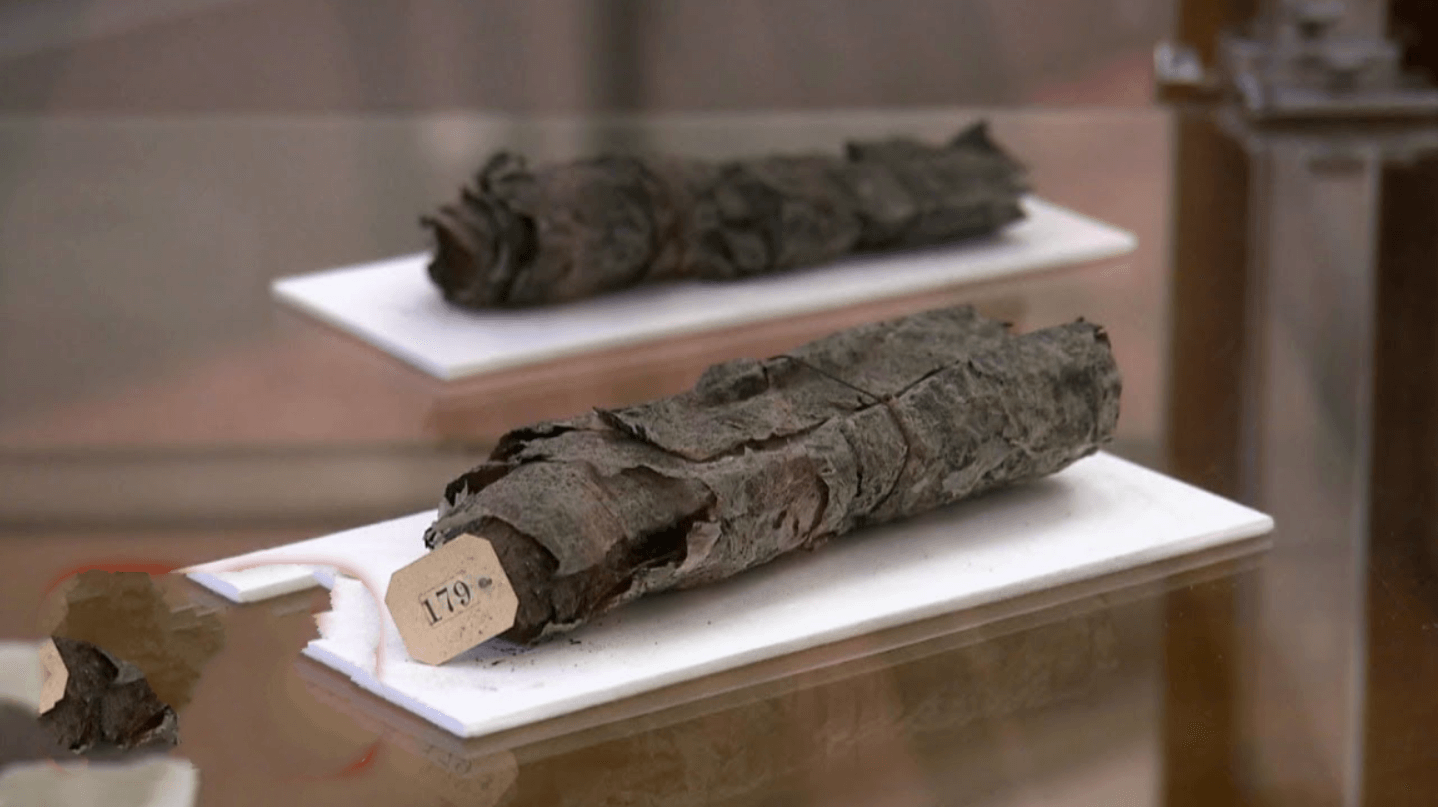
Hidden beneath the ashes of Mount Vesuvius's devastating eruption in 79 AD lies the ancient city of Herculaneum, harboring a treasure trove: a library filled with precious papyrus scrolls. These scrolls hold the potential to unveil a wealth of Greek and Latin masterpieces, early Christian texts, and possibly the earliest references to Jesus himself. However, the volcanic fury that engulfed the city rendered these scrolls so fragile and charred that attempts to open them risked irreparable damage.

Yet, hope flickers anew with the advent of modern medical imaging technology. A team of three scholars, spearheaded by Brent Seales, a computer scientist hailing from the University of Kentucky, has embarked on a groundbreaking endeavor. Leveraging cutting-edge techniques such as CT scans and MRI, they aim to peer into the heart of these ancient scrolls without inflicting harm.

Seales, renowned for his prowess in digitally restoring medieval manuscripts, views the scrolls of Herculaneum as the pinnacle of challenge. Encased within a dense mass resembling charcoal, these scrolls taunt with their enigmatic contents, tantalizing scholars with the prospect of unlocking their secrets.

While the excavation site remains cloaked from public view, Massimo Osanna, the former custodian of Herculaneum and Pompeii, granted the 60 Minutes team exclusive access. Deep within the unexplored confines of the library, the tantalizing allure of undiscovered scrolls beckons, hinting at the untold stories and knowledge awaiting discovery.

Scripture BANNED From Book Of Daniel Reveal DISTURBING Knowledge About Human Excistence

March 4, 2024

Exploring the ancient scriptures of the Book of Daniel, we uncover a trove of wisdom in its lesser-known section: the Additions to Daniel. What profound mysteries await our discovery within these hallowed pages, particularly in the intriguing tale of Bell and the Dragon?

Set against the backdrop of King Joachim's reign in Judah, the narrative unfurls as Nebuchadnezzar, the formidable ruler of Babylon, lays siege to Jerusalem. Amidst the tumult of war, Nebuchadnezzar seizes sacred artifacts from the temple, including vessels wrought of gold and silver, deeming them spoils of conquest. In a further demonstration of his might, he charges his trusted eunuch, Ashpenaz, with the task of selecting the most brilliant and promising young men from among the captive populace of Jerusalem.

12 Most Amazing Ancient Artifacts Finds

March 4, 2024

In this video, we delve into the fascinating world of incredible artifacts and where they can be found. From ancient relics to modern marvels, incredible artifacts come in all shapes and sizes, spanning across cultures and continents.

There's no definitive criteria for what qualifies as an incredible artifact, but when you encounter one, it's undeniable. Whether it's a beautifully crafted piece of pottery, a meticulously carved sculpture, or a rare historical document, the allure of incredible artifacts is irresistible.

Our mission is to bring these remarkable artifacts to light and share their stories with you. Through informative and engaging videos like this one, we aim to showcase the diversity and richness of human history through the lens of these extraordinary treasures.

So sit back, relax, and join us on a journey as we explore the wonders of incredible artifacts from around the globe. We hope you enjoy the adventure!

JRE: Giant Hole Discovered In Greenland!

March 4, 2024

In this video, we delve into a recent groundbreaking discovery: an enormous crater in Greenland that provides compelling evidence of a comet impact during the last ice age. This crater, spanning a staggering 18 miles in diameter, remained hidden beneath layers of ice until its recent revelation.

Greenland, known for its vast ice cover, served as a crucial location for preserving evidence of ancient events. In 2013, researchers identified impact proxies, including nano diamonds, carbon spals, and platinum and iron traces in the ice dating back 12,800 years. These findings hinted at a significant cosmic event during the Younger Dryas period, lasting from 12,800 to 11,600 years ago.

The discovery of the crater amplifies the evidence for a comet impact during this period of global climatic upheaval. The Younger Dryas era witnessed a rapid decline in temperatures, rising sea levels, and the extinction of megafauna. Remarkably, the impact's repercussions extended worldwide, with traces found as far as Antarctica and Syria.

This cataclysmic event potentially obliterated an advanced civilization, reshaping the narrative of ancient history. It is speculated that the global flood, a prevalent tradition across cultures, might stem from collective memories of this devastating event rather than being merely mythological.

The unearthing of the crater and corroborating evidence aligns with the Younger Dryas Impact Hypothesis, shedding new light on our understanding of prehistoric events and their enduring impact on human civilization.

Megalithic Habitat Discovered on Google Earth

March 4, 2024

It sounds like you stumbled upon a fascinating archaeological site with ancient habitats built into the Earth in the American West. The discovery of such structures could indeed shed light on a once-thriving civilization that may have been impacted by climatic changes leading to drought and abandonment.

The presence of a sacred rock with a perfect north-facing orientation adds another layer of intrigue to the site, possibly indicating its significance to the local Indigenous people and their cultural practices.

As you explore further into this remote location and uncover unexpected findings, such as sources of life in desolate areas, it prompts questions about the nature of these structures and their purpose. Are they evidence of lost civilizations, or do they reflect unique geological and erosional processes? Could they even evoke comparisons to fictional places like the Shire from "The Lord of the Rings"?

The rich Native American heritage of the area adds depth to your exploration, highlighting the importance of preserving and respecting these cultural legacies amidst modern influences.

Your curiosity and willingness to seek expertise in understanding the significance of these habitats demonstrate a commendable effort to uncover the mysteries of the past. Through continued research and collaboration with experts, you may gain further insights into the history and significance of this intriguing archaeological site.

Ancient Forebear to a Holy Visage: The 'Madonna of Aigai' and Byzantine Art

March 3, 2024

By Dimosthenis Vasiloudis


The "Madonna of Aigai" is a remarkable artifact that not only offers insights into the artistic conventions of the time but also provides an intriguing link between the classical art of ancient Greece and the religious iconography that would later become a staple of Byzantine culture.

The Fresco: Madonna of Aigai

The fresco referred to as the "Madonna of Aigai" hails from the Royal Macedonian Tomb at Aigai, located in Central Macedonia, Greece. Dated to the 4th century BC, this work is contemporaneous with the tumultuous period following the death of Alexander the Great and the subsequent division of his empire. The art of this era, known as the Hellenistic period, was characterized by increased expressiveness and dynamism, with a shift towards representing emotional intensity and realism in human figures.

The fresco itself is an enigmatic piece. While it is known as the "Madonna of Aigai," this title is a product of modern interpretation rather than an ancient designation. The figure depicted bears a striking resemblance to Christian images of the Virgin Mary, which were produced over a millennium later. This resemblance is particularly astounding given the secular nature of Greek art in the 4th century BC, which would not have depicted biblical figures.

The so-called “madonna” of Aigai. Detail from the grave stele of a woman, second half of 4th century BC

Evolution from Classical and Hellenistic Art to Roman and Byzantine Art

The transition from classical and Hellenistic art to Roman and subsequently Byzantine styles was neither abrupt nor homogeneous. Classical Greek art, famed for its pursuit of idealized human forms and balanced proportions, evolved during the Hellenistic period to embrace more naturalistic and individualized expressions. This period is noted for its dramatic expressions, intricate compositions, and an interest in depicting the textures of different materials.

Due to Alexander's conquests, Greek culture spread throughout the Mediterranean, blending Hellenistic artistic influences with regional customs that the Roman Empire would later inherit. Roman art borrowed heavily from the Greeks while also contributing innovations such as a greater focus on individual portraiture and the extensive use of narrative relief in architecture.

With the rise of Christianity as the state religion of the Roman Empire and the eventual shift of the empire's center to Byzantium (later known as Constantinople), a new form of religious art began to emerge. Early Christian and Byzantine art was often less concerned with naturalism and more with conveying religious ideals and theological truths. Icons, characterized by their formalism and spiritual significance, became central to Byzantine worship.

Theotokos praying icon

Timeless Transitions: The 'Madonna of Aigai' as a Precursor to Byzantine Aesthetics

The "Madonna of Aigai" serves as a visual bridge between these eras. The fresco's style—particularly the figure's frontal stance, serene countenance, and the drapery's gold highlights—foreshadows the stylistic choices of Byzantine iconography. The frontal pose and direct gaze would become hallmarks of Byzantine religious figures, intended to engage the viewer in a direct and spiritual manner. The use of gold to accentuate the drapery recalls the opulence of Byzantine art, which often utilized gold to signify divine radiance.

However, the fresco still retains elements of Hellenistic artistry. The realistic depiction of the cloth's folds and the subtle modeling of the figure's face show a level of detail and naturalism that is characteristic of the Hellenistic style. This synthesis of styles suggests that while the iconography of the Byzantine era was distinct, it did not appear in a vacuum. Instead, it was the result of a complex process of cultural and artistic fusion that spanned centuries.

The "Madonna of Aigai" is a tantalizing piece that defies simple categorization. It encapsulates the transition from the world of ancient Greece, with its human-centered art, to the spiritually focused iconography of the Byzantine era. The fresco stands as a testament to the enduring and evolving nature of art, where styles and symbols of different eras can converge in a single piece, bridging the gap between past and present, secular and sacred.

In Greece's Historical Period, Byzantine Middle Ages Tags Dimosthenis Vasiloudis

Mystery of Vergina Tombs: New Research Sheds Light on Alexander the Great's Relatives

March 3, 2024

In the heart of northern Greece lies Vergina, a place shrouded in historical intrigue and significance. Home to the ancient city of Aigai, it served as the first capital of the Macedonian kingdom, bearing witness to the rise and fall of illustrious figures whose legacies continue to captivate scholars and enthusiasts alike. Among these luminaries, none looms larger in the annals of history than Alexander the Great, whose conquests reshaped the ancient world.

Recently, new research published in the Journal of Archaeological Science has reignited discussions surrounding the royal tombs of Vergina, offering fresh insights into the identities of those interred within. Spearheaded by archaeologists and bolstered by meticulous examination techniques, this study delves deep into the skeletal evidence unearthed from the hallowed grounds of Royal Tombs I, II, and III.

For decades, scholars have grappled with the enigma of Vergina's royal tombs, particularly regarding the occupants of each sepulcher. While it was widely acknowledged that these tombs housed the remains of individuals closely linked to Alexander the Great, the precise identities remained a subject of fervent debate. However, recent advancements in archaeological methodology, including macro-photography, X-ray analysis, and anatomical examinations, have provided a fresh lens through which to scrutinize the ancient bones.

Central to this groundbreaking study is the examination of Royal Tomb I, which yielded a treasure trove of skeletal remains, including those of a man, a woman, and an infant. Through meticulous analysis, researchers identified telltale signs consistent with historical accounts, notably the presence of knee fusion in the male skeleton—a characteristic associated with King Philip II of Macedonia, father of Alexander the Great. Moreover, the presence of a newborn infant aligns poignantly with the tragic narrative of Philip's assassination in 336 BC, mere days after the birth of his son.

In contrast, Royal Tomb II presented its own enigmatic tableau, housing the remains of a man and a woman. While some conjectured that this tomb might belong to Philip II himself, the absence of a newborn infant and the lack of evident physical trauma on the male skeleton cast doubt on this hypothesis. Instead, researchers posited that Tomb II likely entombs King Arridaeus, Alexander's half-brother, and his formidable warrior wife, Adea Eurydice. Skeletal evidence of extensive riding further reinforced this interpretation, offering a glimpse into the lives of these ancient Macedonian royals.

As the dust settles on this groundbreaking research, one thing remains abundantly clear: the royal tombs of Vergina continue to be a wellspring of historical revelation, offering tantalizing glimpses into the lives and legacies of Alexander the Great and his kin. Through the convergence of meticulous archaeological inquiry and interdisciplinary collaboration, the veil of mystery surrounding these ancient sepulchers is gradually lifted, illuminating the enduring legacy of one of history's most storied dynasties.

In Greece's Historical Period Tags Studies, The Archaeologist Editorial Group

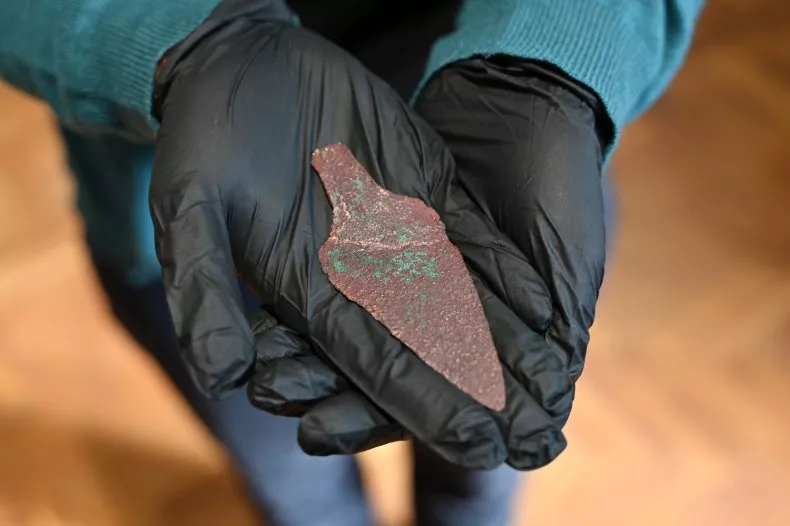
The ancient copper dagger discovered by a metal detectorist in Poland near Korzenica. Archaeologists believe the artifact is more than 4,000 years old.ŁUKASZ ŚLIWIŃSKI/MUZEUM W JAROSŁAWIU KAMIENICA ORSETTICH

"Exceptionally Rare" 4,000-Year-Old Copper Dagger Uncovered in Forest

March 2, 2024

An "extremely rare" copper dagger believed to be over 4,000 years old has been unearthed by a metal detectorist in Poland.

Piotr Gorlach stumbled upon the remarkable find while conducting a search with his metal detector in the forests near the village of Korzenica, Subcarpathia Province, situated in the southeast of the country near the Ukrainian border, as reported by the Polish Press Agency.

Gorlach recounted the discovery, stating, "I had finished searching for the day and was on my way back to the car when my detector suddenly signaled. Digging into the forest floor, I uncovered a flat metal object coated with green patina. It quickly became evident that I had stumbled upon something far older than the World War I and II military items I usually search for in the area."

Following the discovery, Gorlach promptly notified archaeologists from the Orsetti House Museum in Jarosław, who conducted a preliminary investigation of the artifact.

Archaeologist Marcin Burghardt from the Jarosław museum dated the dagger to the second half of the 3rd millennium B.C.

Elżbieta Sieradzka-Burghardt, another archaeologist from the same museum, explained to Newsweek that the artifact predates the appearance of bronze items in the region, emphasizing its significance in the transition from the Stone Age to the Bronze Age in southeastern Poland.

The dagger, the only one of its kind ever discovered in Podkarpackie province, is the oldest metal dagger found in the area to date.

Given the rarity of copper items in the 3rd millennium B.C., it is believed that only individuals of the highest social status could afford them. Although the dagger's relatively soft nature suggests it may not have been practical for combat, it likely served as a symbol of prestige and social standing.

While the artifact offers insights into the social hierarchy of the time, its exact origin remains uncertain. However, its features bear similarities to artifacts from the Bell Beaker culture of western and central Europe and the Catacomb culture of eastern Europe and western Asia, offering potential clues to its provenance.

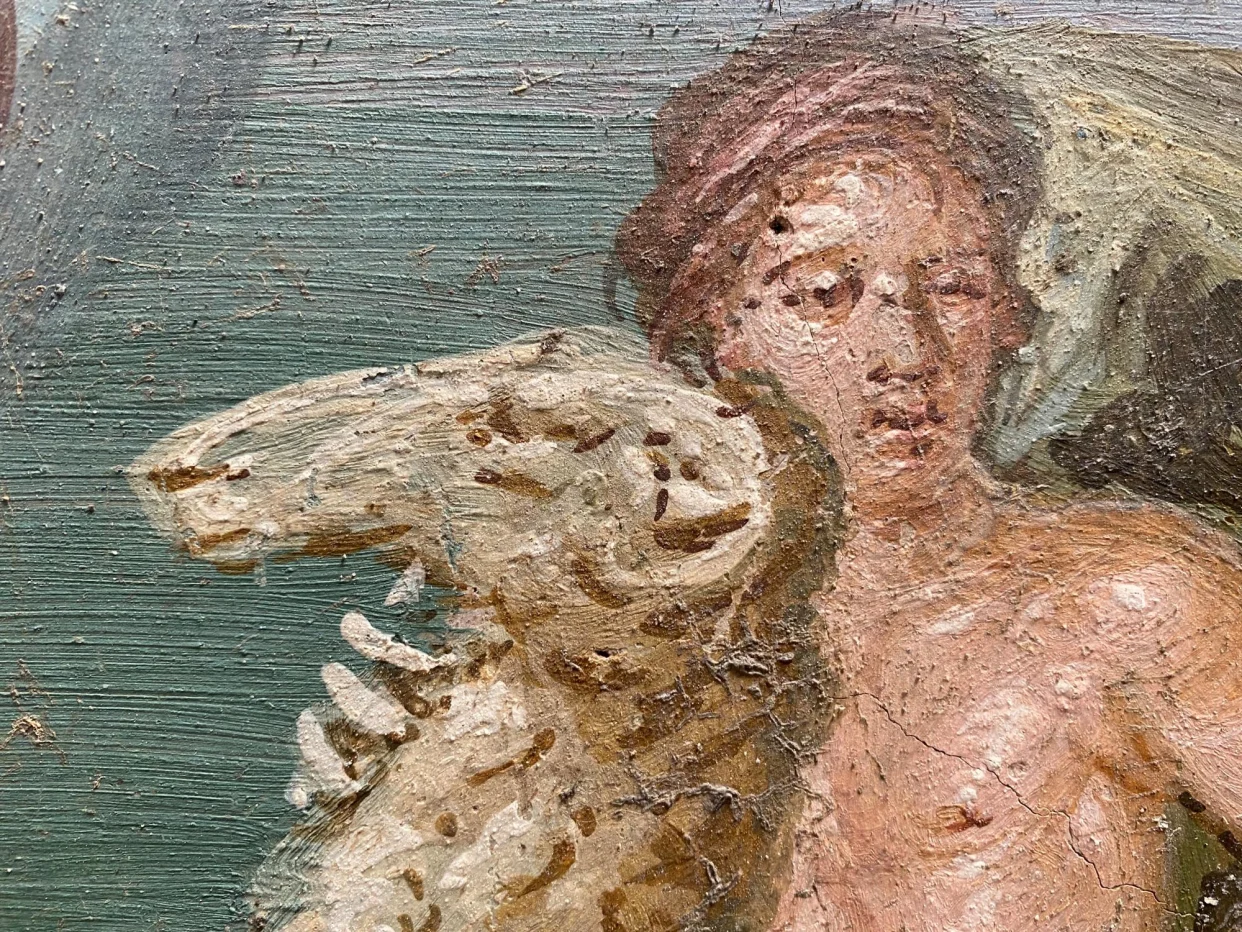
Part of the fresco depicting the Greek mythological siblings Phrixus and Helle.Photograph: Pompeii Archaeological Park

Archaeologists Discover Pompeii Fresco Depicting Greek Mythological Siblings

March 2, 2024

In a groundbreaking discovery within the ancient Roman city of Pompeii, archaeologists have unveiled a fresco portraying the mythological siblings Phrixus and Helle in vivid detail.

Gabriel Zuchtriegel, director of Pompeii Archaeological Park, hailed the find as a poignant testament to history repeating itself.

"History echoes through time," Zuchtriegel remarked, providing an update on excavation and restoration endeavors. "The fresco is an extraordinary masterpiece, remarkably preserved. The tale of Phrixus and Helle holds profound relevance at Pompeii, reflecting contemporary themes. They are two refugees, a brother and sister, fleeing the deceit and treachery of their stepmother. Tragically, Helle meets her demise, succumbing to the depths of the sea."

Adorned with vibrant hues and exquisite craftsmanship, the fresco captures Helle's desperate struggle amidst tumultuous waves, reaching out to her brother in a moment of desperation.

Zuchtriegel expressed optimism about making these meticulously preserved homes accessible to the public, highlighting the cultural and historical significance of this latest revelation.

Pompeii, ravaged by the catastrophic eruption of AD 79 that claimed thousands of lives, has since become a global archaeological treasure.

Continuing discoveries enrich our understanding of Pompeii's ancient past. Recent surprises include the unearthing of Nativity-style statuettes shedding light on pagan rituals, and the unveiling of a striking still life fresco bearing an uncanny resemblance to a pizza, complete with a controversial item reminiscent of a pineapple.

What Hygiene was like in Ancient India

March 2, 2024

Imagine yourself in Ancient India, surrounded by the challenges of daily life, including the pressing need for hygiene in less-than-ideal conditions. Despite the hardships, you discover a civilization that thrived with resilience and ingenuity, particularly in matters of cleanliness.

In this ancient land, people crafted handmade soaps from natural materials like berries and plants, harnessing the power of nature to cleanse and purify. But the innovations didn't stop there. Ancient Indians developed an advanced drainage system that connected not only to important public establishments like town halls, temples, and grand bathhouses but also to every private residence in the city.

This sophisticated infrastructure ensured that waste and impurities were efficiently channeled away, maintaining cleanliness and sanitation throughout the community. Moreover, the belief in the importance of daily bathing was deeply ingrained in the culture, leading to a commitment to personal cleanliness that rivaled any other civilization of its time.

As you immerse yourself in the ancient customs and practices of hygiene in India, you come to realize that there is indeed more to the story. Beyond the practical aspects of cleanliness, there lies a profound cultural reverence for purity and well-being, shaping the lives and habits of ancient Indians in ways that continue to resonate today.

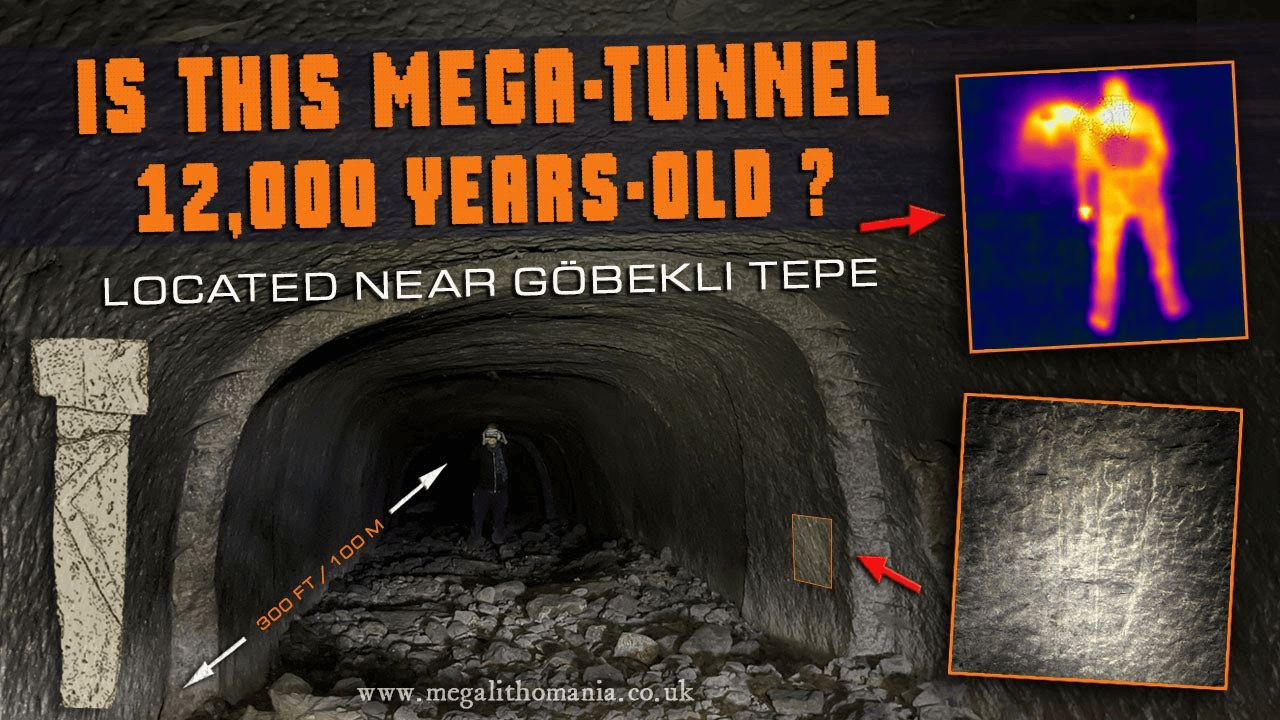
Is This Mega-Tunnel 12,000 Years-Old? | Underground Exploration near Göbekli Tepe

March 2, 2024

The narrator and his team embark on an exploration of a cave complex nestled in Southeastern Anatolia, Turkey, believed to be the site of a significant Tash complex. Their journey is inspired by a tip-off from a local elder, who possesses artifacts from the area, sparking intrigue and curiosity.

As they venture into the cave, they are greeted by a breathtaking sight: walls adorned with intricate niches and reliefs, a testament to the craftsmanship of ancient hands. The cave, measuring approximately 100 meters in length and 20 feet in width, beckons them deeper, but their progress is impeded by rubble, preventing them from reaching its end.

Despite the obstacles, the team discovers evidence of deliberate carving and well-worked stones, hinting at the cave's potential significance. While its exact age remains uncertain, similarities to descending shafts dating back to the Roman period suggest its ancient origins.

With hopes of uncovering clues to unravel the cave's purpose, the team searches for carvings on the walls, speculating on its potential connection to the Tash complex in the region. However, they face a daunting challenge as they realize the absence of any record of the cave in local villages or archaeological circles.

Undeterred by the magnitude of their task, the narrator emphasizes the immense undertaking required to further explore and understand this enigmatic cave, underscoring the allure and mystery that surround it.

12 Most Amazing Archaeological Artifacts Finds

March 2, 2024

If there's one thing that captivates us even more than extraordinary archaeological finds, it's the fascinating stories behind their discovery. From artifacts unearthed in unexpected places to accidental discoveries made by ordinary people, these tales add an extra layer of intrigue to already astonishing finds. Join us in this video as we delve into a collection of such stories, each accompanied by remarkable artifacts that never fail to astound.
Last Samurai Describes Final Days of Old Japan

March 2, 2024

The video showcases the reminiscences of a Japanese student who embarked on a foreign tour 37 years ago, during a time when Japan was a feudal society with limited interaction with foreigners. To leave the country, the student and their companions had to adopt the guise of merchants, donning European-style clothing and boots acquired second-hand meant for sailors, setting a precedent for the nation. Upon arrival at the settlement, they found it less prosperous than it is today, with few foreign houses dotting the landscape.

Why was Göbekli Tepe Abandoned 10,000 Years Ago?

March 2, 2024

As climatic conditions improved following the Younger Dryas climate catastrophe, southeastern Anatolia flourished as a region abundant in living resources. It became a fertile ground for the emergence of agriculture and human civilization, as new pre-pottery Neolithic centers began to take shape.

Among these settlements, Göbekli Tepe stands out with its remarkable size, monumental architecture, and its astonishingly ancient radiocarbon dates, stretching back over 11,500 years. This has earned it the title of the "Zero Point of History."

Despite its prominence during a pivotal period in climatic history, like many ancient settlements, Göbekli Tepe was eventually abandoned, between 8,241 and 7,795 BC. Although not a city or town, it was a large village by the standards of its time, thriving for approximately 1,500 years. However, the question remains: why was the site ultimately abandoned?

In this video, we delve into the latest archaeological findings and interpretations, re-evaluating the claims made by archaeologists such as Klaus Schmidt and popularized by media and authors like Graham Hancock. Was Göbekli Tepe intentionally covered and abandoned as part of a ritual? Or were there other factors at play? Join us as we explore the mysteries surrounding the enigmatic site and uncover the truth behind its abandonment.

Ancient Olympia: The Genius Design of Greek Cities

March 2, 2024

Today, we delve into the origins of the Ancient Olympic Games by exploring the city that birthed them—an exemplary showcase of Ancient Greek urban planning. Through meticulously reconstructed models, we breathe life into its ruins, unraveling the secrets of its architecture. Join us as we uncover the marvels of this ancient city and behold the awe-inspiring Statue of Zeus, counted among the Seven Wonders of the Ancient World.

Rory Townsend (left) and John Settle from Bush Adventures with the bones (Image: Bush Adventures/Norfolk Constabulary)

Human Remains Unearthed During Thetford Garden Project

March 1, 2024

Thetford, UK - In a fascinating discovery, workers involved in the creation of a new community garden and orchard in the heart of Thetford have stumbled upon ancient human remains. The find occurred at a site off St Giles Lane, where centuries ago, a church once stood before being deconsecrated in the 16th century and subsequently demolished.

The unearthing of these bones has piqued the interest of both archaeologists and local authorities. Initial assessments indicate that the bones date back several centuries, adding another layer of intrigue to the rich history of the area.

The bones which have been unearthed at the site of a new community garden in Thetford (Image: Bush Adventures/Norfolk Constabulary)

Rory Townsend, operations manager at Thetford-based Bush Adventures, recounted the discovery: "As we were raking the soil in preparation for planting, we began uncovering small bone fragments. Initially mistaken for animal remains, further examination revealed their human origin, prompting us to alert the authorities."

Following careful examination by archaeologists, who confirmed their antiquity, the remains have been returned to the site for reinterment. Plans are underway to honor the significance of this find by incorporating it into the garden's design. "We've planted two walnut trees and intend to re-bury the remains, accompanied by a commemorative plaque," stated Mr. Townsend. "Our aim is to transform this space into a community orchard and vegetable garden for the benefit of local youth groups."

A spokesperson for Norfolk police provided further insight: "Upon receiving the initial report on February 23rd, our team promptly investigated the site. Subsequent consultations with experts confirmed the age of the bones, shedding light on the area's deep historical roots."

The discovery also offers a glimpse into the town's past, particularly the fate of St Giles Church. Once a prominent landmark dating back to Saxon times, the church underwent various transformations before eventually meeting its demise. Fragments of its structure were repurposed in neighboring buildings, adding to the town's architectural tapestry.

This recent find echoes a similar discovery in 1949 when seven skeletons were uncovered during the extension of a nearby cafe, underscoring Thetford's rich archaeological significance.

As the community garden takes shape, it serves not only as a testament to the town's vibrant history but also as a space for future generations to connect with their heritage.

Stock image showing a human skeleton in a stone sarcophagus. The intact remains of several medieval nobles (not pictured) have been discovered during restoration works at a monastery in northeastern Spain. ISTOCK

Medieval Nobles' Intact Bodies Unearthed in Monastery Renovation

March 1, 2024

During restoration efforts at a monastery in northeastern Spain, the intact bodies of eight medieval nobles were unexpectedly discovered. The Royal Monastery of Santes Creus in Tarragona, part of Catalonia, revealed this remarkable find during restoration work on the Gothic cloister, with the Department of Culture and the "La Caixa" banking foundation announcing the discovery.
This unexpected finding unveiled an extraordinary funerary complex within the Gothic cloister's north gallery. The intact skeletons were found within sarcophagi belonging to Catalan nobility from the 13th and 14th centuries. Despite initial suspicions of looting, the sarcophagi were found to be sealed, indicating that the bodies remained undisturbed since their interment.

The sarcophagi, adorned with decorative elements indicative of noble families, displayed remarkable uniformity in style. The well-preserved condition of the medieval burials, including skeletal remains and textile fragments surrounding them, offered a rare glimpse into the lives and burial customs of the medieval Catalan nobility.

Samples extracted from the textiles, tissues, and bones will undergo analysis to provide further insights into the identities, living conditions, diet, and health of the buried individuals. Additionally, ongoing historical research aims to uncover more details about the medieval nobles and their cultural practices.

This discovery is deemed exceptional due to the social status of the individuals and the remarkable preservation of both the human remains and accompanying artifacts. It promises to significantly enhance our understanding of medieval burial practices and the lives of the Catalan nobility during this period.

Small Gold Pendant Dating Back 3,000 Years Discovered in Jerusalem's Ophel Area, Believed to Have Phoenician Origins. Image Credit: Armstrong Institute of Biblical Archaeology

Discovery of Gold Phoenician Artifact in Israel Could Corroborate Biblical Accounts

March 1, 2024

The discovery of a tiny gold pendant in Jerusalem, dating back approximately 3,000 years to the first temple era, has sparked excitement among archaeologists and scholars. The four-millimeter pendant, shaped like a basket with semi-circular handles, was unearthed during excavations in the Ophel area, south of Temple Mount, a decade ago.

Recent examination of the artifact revealed that it is made of electrum, a gold and silver compound, making it the earliest gold artifact found in Jerusalem. Archaeologist Brent Nagtegaal of the Armstrong Institute of Biblical Archaeology suggests that the pendant's Phoenician origin may provide evidence of Phoenician presence in Jerusalem during the 10th century BCE, corresponding to the time of King Solomon.

This finding has significant implications for biblical scholarship, as it potentially supports accounts of interactions between King Hiram of Tyre and King David and King Solomon, as described in the Hebrew Bible. The pendant may also indicate trade between Phoenicia and Jerusalem during this period.

Previous discoveries in the Ophel area have suggested Phoenician cultural influence in Jerusalem during the first temple period. Further academic analysis of the pendant, along with a study of the area's stratigraphy, will be published in an upcoming report.

The pendant is currently on display at the "King David and Solomon Discovered" exhibit in Oklahoma, dedicated to the late Dr. Eilat Mazar, a renowned archaeologist who led excavations in Jerusalem and contributed significantly to the understanding of ancient Jerusalem and Phoenician culture.

Fossil of Extinct Lamprey Dating Back 134 Million Years Found in Hebei, Expanding Species' Geographic Distribution

March 1, 2024

The discovery of a fossilized lamprey species, Mesomyzon mengae Chang, in Chengde, Hebei Province, China, marks a significant paleontological find. Identified by researcher Zhang Jiangyong from the Chinese Academy of Sciences, this extinct species has been dated back approximately 134 million years.

This particular discovery is noteworthy as it represents the first instance of Mesomyzon mengae Chang being found in Hebei Province. Previously, this species was known to have inhabited regions such as Inner Mongolia and the western part of Liaoning. The presence of the fossil in Fengning Manchu Autonomous County indicates a broader geographical distribution for Mesomyzon mengae Chang than previously thought.

Mesomyzon mengae Chang is particularly valuable to researchers due to its unique characteristics. Unlike many other fossils, this species lacks hard bones and scales, making its preservation rare and precious. It is considered one of the few jawless fossils known from the Mesozoic era, adding to its scientific significance.

Overall, this discovery provides valuable insights into the ancient biodiversity of the region and expands our understanding of the distribution and characteristics of Mesomyzon mengae Chang during the prehistoric period.

17th-Century Armor Remnant Uncovered and Verified in Maryland

March 1, 2024

The discovery of a flattened metal scrap at Historic St. Mary's City in Maryland has revealed an intriguing glimpse into the past: it was once part of a suit of armor worn by European colonists in the 17th century. Unearthed during excavations in a cellar at the site, the slightly concave piece of metal, about the size of a cafeteria tray, was initially mistaken for a small iron object protruding from the ground. However, as archaeologists continued their dig, the item revealed itself to be larger and more significant.

After thorough cleaning, researchers identified the metal scrap as a tasset, a component of a suit of armor designed to protect the wearer's thighs during battle. Confirmation came when X-ray images revealed the individual bands of steel affixed together, along with decorative rivets.

The discovery sheds light on the material culture and military equipment brought to the New World by European colonists in the mid-1600s. While the exact wearer of the armor remains unknown, it is believed that the tasset was discarded due to its impracticality in the hot and humid environment of Maryland. Unlike the breastplate, which offered vital protection for the core, the heavy and cumbersome tasset was likely deemed unnecessary for survival in the New World.

This finding is part of an ongoing archaeological project that began in 2021, focusing on excavating the cellar, which was used for storage and later became a repository for discarded items. Alongside the tasset, other artifacts such as 17th-century scissors, decorative metal braids, and the outline of a large building have been unearthed. Last year, the skeleton of a teenager, possibly an indentured servant, was also discovered at the site, adding to the rich tapestry of history preserved in the soil of Historic St. Mary's City.

← Newer Posts Older Posts →
Featured
image_2026-06-21_222107159.png
June 22, 2026
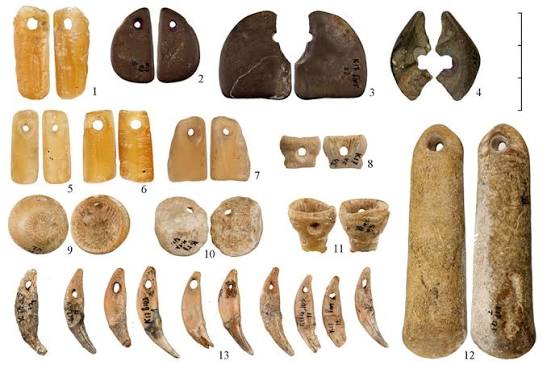
Avdeevo: Bone Tools from Russia's Gravettian Hunters
June 22, 2026
Read more →
June 22, 2026
image_2026-06-21_221906754.png
June 22, 2026
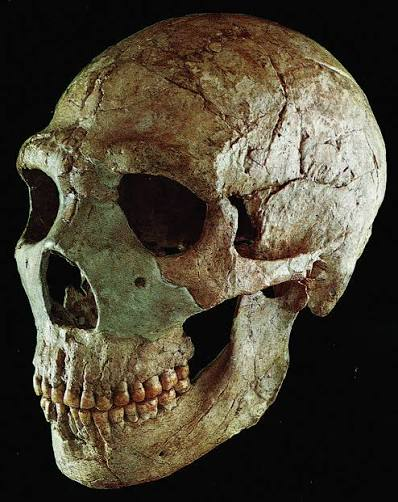
Amud Cave: Japan's Twin Neanderthal Fossils?
June 22, 2026
Read more →
June 22, 2026
image_2026-06-21_221732901.png
June 22, 2026
Kebara Cave: Israel's Neanderthal Speech Evidence
June 22, 2026
Read more →
June 22, 2026
image_2026-06-21_221651426.png
June 22, 2026
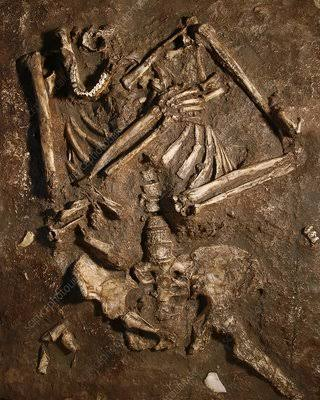
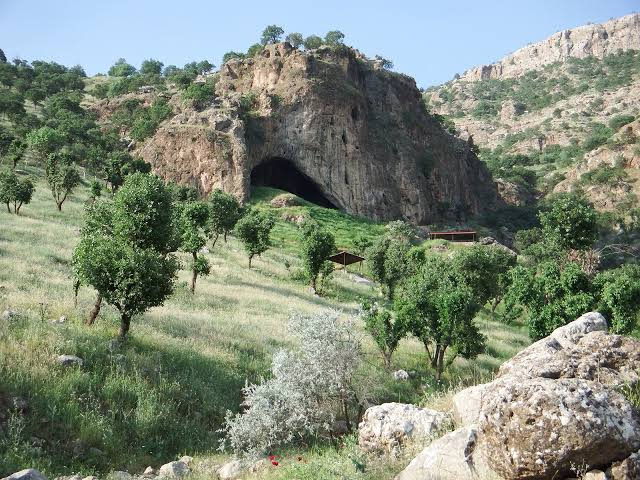
Shanidar Cave: Iraq's Flower-Burying Neanderthals
June 22, 2026
Read more →
June 22, 2026
image_2026-06-21_221609462.png
June 22, 2026
Tabun Cave: Mount Carmel's 500,000-Year Acheulean Site
June 22, 2026
Read more →
June 22, 2026
image_2026-06-21_221527430.png
June 22, 2026
Skhul Cave: Levantine Neanderthal-Human Hybrids?
June 22, 2026
Read more →
June 22, 2026
read more

Powered by The archaeologist