Archaeologists excavating a Bronze Age burial site in southern Italy expected to find standard evidence of familial connections, such as parents buried near their children, but instead uncovered genetic proof of what is now recognized as the earliest confirmed case of father-daughter incest.
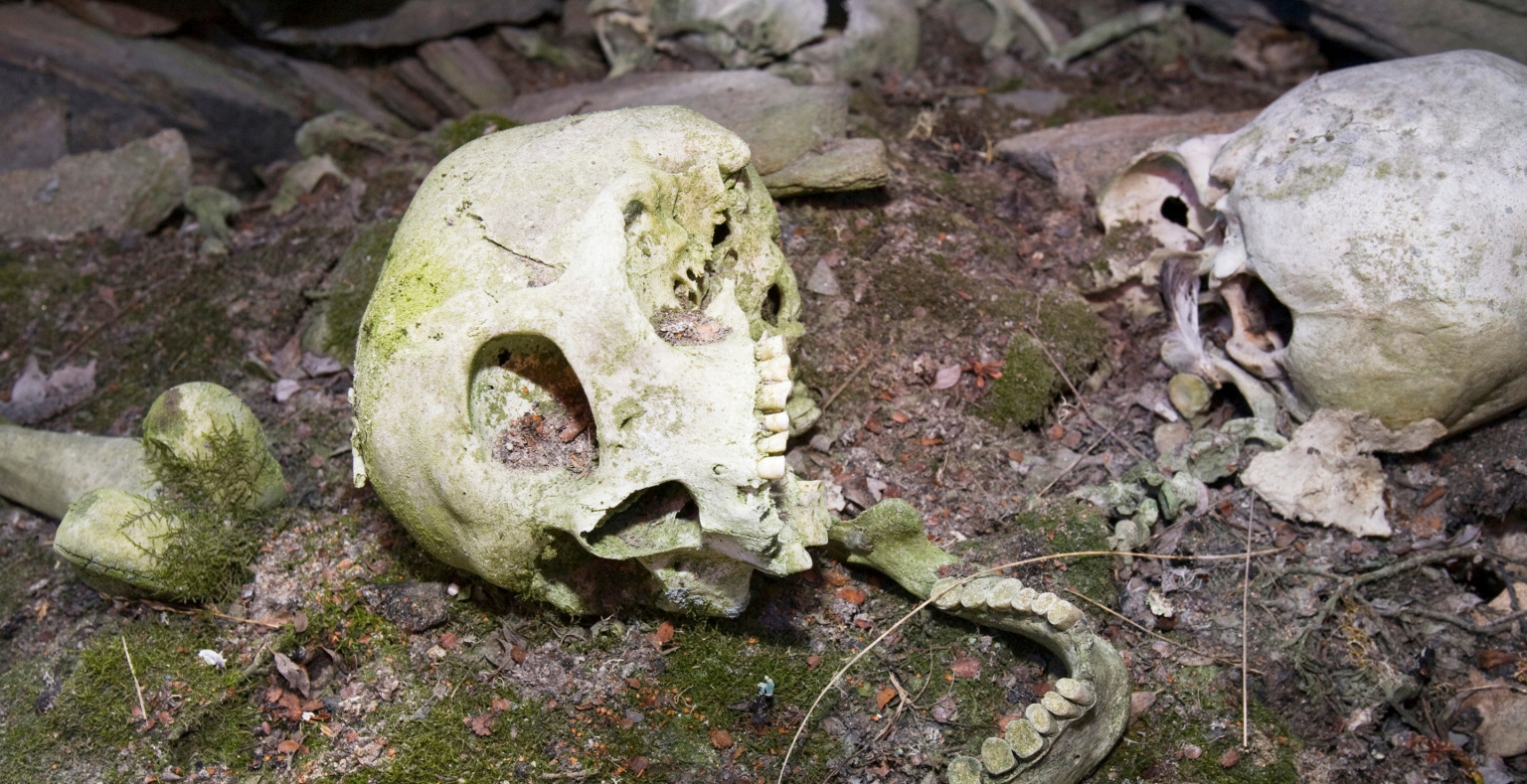
The site, Grotta della Monaca in Calabria, served as a burial ground around 3,700 years ago. Researchers analyzed DNA from 23 individuals interred there between 1780 B.C. and 1380 B.C., aiming to better understand the composition of a small mountain community. Rather than just ordinary family ties, they discovered what the study terms “extreme parental consanguinity,” focused on the remains of a teenage boy.
At first, the genetics appeared typical. Several individuals were clearly related, including a mother and daughter placed in close proximity, reflecting a common cultural practice. However, one pairing stood out. The DNA of an adult man and the boy showed an unusually high amount of identical genetic material—something seen only in reproduction within a nuclear family.
The researchers noted that the boy had “the highest sum of long ROH segments ever reported in ancient genomic datasets to date.” Additional analysis confirmed what the team described as “indisputable evidence” that he was the offspring of a first-degree incestuous union between a father and his daughter. The daughter’s remains were not recovered from the cave.
While incest has been documented in ancient populations, it usually involves siblings. Neanderthals practiced it, and some elite groups used it to maintain bloodlines. Parent-child pairings are much rarer and carry significant biological risks. In this case, analysis of the boy’s DNA revealed no severe genetic disorders.
The reasons behind this event remain unknown. The Grotta della Monaca community does not appear isolated, nor does it show signs of a hierarchical system where incest might consolidate power. “This exceptional case may indicate culturally specific behaviours in this small community,” said study co-author Alissa Mittnik of the Max Planck Institute, “but its significance ultimately remains uncertain.”
Although the genetic evidence is clear, the context is not. A parent and child produced a son, who lived long enough to be buried among his peers. The motivations and circumstances behind this remain a mystery. Archaeology does not always provide complete explanations; sometimes it merely confirms that something profoundly unusual occurred.