For over two centuries, the origins of the Albanian people and their highly unique, non-Slavic, non-Hellenic language have been a source of intense academic debate and romantic speculation. Recent high-resolution paleogenomic mapping of the Western Balkans from the Neolithic period through the Middle Ages has finally separated nationalist myth from biological reality.
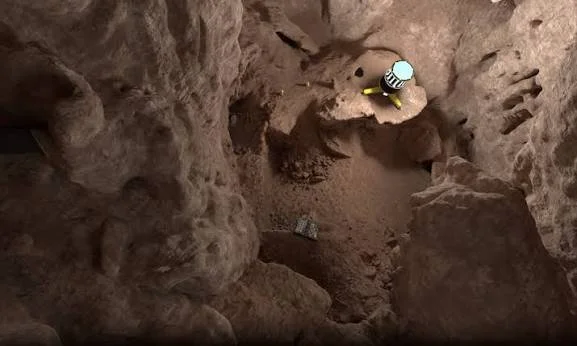
The Illyrian Foundation: The latest archaeogenetic papers show deep, unbroken roots in the West Balkan Bronze and Iron Ages. DNA extracted from ancient skeletons found in tumuli (burial mounds) across Albania reveals a profound genetic continuity lasting thousands of years. The ancient Illyrians—the collection of tribes that contested Roman and Greek expansion—form the overwhelming genetic ancestral core of modern Albanians.
The Y-DNA Markers: This lineage is overwhelmingly traced through the paternal Y-chromosome haplogroup J2b2-L283 and specific subclades of R1b-BY611, which show a massive local population expansion in the Albanian mountains during the Bronze Age, long before any Slavic or Roman migrations occurred.
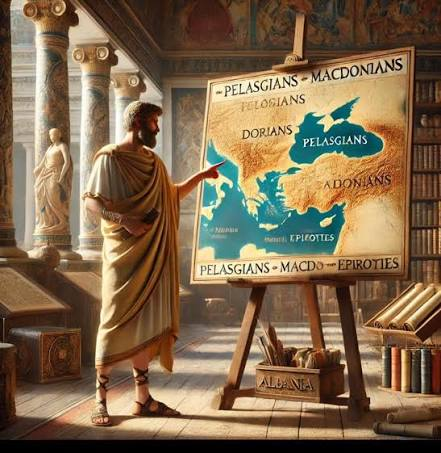
Dismantling the Pelasgian Myth: During the 19th-century Albanian National Awakening (Rilindja), writers popularized the theory that Albanians were descended from the Pelasgians—the mythical, semi-divine pre-Greek population mentioned by Homer and Herodotus. This was used to establish historical primacy over neighboring groups.
The Genetic Verdict: Modern genetic archaeology has contextualized this. While there is a deep European hunter-gatherer and Anatolian Neolithic substrate shared across the Aegean and Balkans, there is no distinct "Pelasgian" genetic isolate. Instead, the data proves that the direct autochthonous (indigenous) transformation of local Illyrian tribes into the medieval Arbanon culture is what preserved the unique language and genetic signature seen today.