• MAIN PAGE
  • LATEST NEWS
    • Lost Cities
    • Archaeology's Greatest Finds
    • Underwater Discoveries
    • Greatest Inventions
    • Studies
    • Blog
  • PHILOSOPHY
  • HISTORY
  • RELIGIONS
    • Africa
    • Anatolia
    • Arabian Peninsula
    • Balkan Region
    • China - East Asia
    • Europe
    • Eurasian Steppe
    • Levant
    • Mesopotamia
    • Oceania - SE Asia
    • Pre-Columbian Civilizations of America
    • Iranian Plateau - Central Asia
    • Indus Valley - South Asia
    • Japan
    • The Archaeologist Editor Group
    • Scientific Studies
    • Aegean Prehistory
    • Historical Period
    • Byzantine Middle Ages
    • Predynastic Period
    • Dynastic Period
    • Greco-Roman Egypt
  • Rome
  • PALEONTOLOGY
  • About us
Menu

The Archaeologist

  • MAIN PAGE
  • LATEST NEWS
  • DISCOVERIES
    • Lost Cities
    • Archaeology's Greatest Finds
    • Underwater Discoveries
    • Greatest Inventions
    • Studies
    • Blog
  • PHILOSOPHY
  • HISTORY
  • RELIGIONS
  • World Civilizations
    • Africa
    • Anatolia
    • Arabian Peninsula
    • Balkan Region
    • China - East Asia
    • Europe
    • Eurasian Steppe
    • Levant
    • Mesopotamia
    • Oceania - SE Asia
    • Pre-Columbian Civilizations of America
    • Iranian Plateau - Central Asia
    • Indus Valley - South Asia
    • Japan
    • The Archaeologist Editor Group
    • Scientific Studies
  • GREECE
    • Aegean Prehistory
    • Historical Period
    • Byzantine Middle Ages
  • Egypt
    • Predynastic Period
    • Dynastic Period
    • Greco-Roman Egypt
  • Rome
  • PALEONTOLOGY
  • About us
No results found

Pomeranian Culture: Baltic Sword Sacrifices Decoded

July 9, 2026

Developing directly out of the northern factions of the Lusatian culture during the 7th century BCE, the Pomeranian culture occupied the Baltic coastal regions of modern Poland before expanding southward. They are renowned in European archaeology for their intensely evocative, individualized art styles and complex aquatic ritual landscapes.

  • The Cult of the Face Urns: The defining artifact of this culture is the face urn (Gesichtsurne). Unlike the abstract vessels of their Lusatian predecessors, Pomeranian cremation urns were sculpted to resemble distinct human faces. The necks of the urns featured realistic representations of human eyes, noses, and ears.

  • Individualized Identities: Many were fitted with actual bronze earrings, pectorals, or necklaces, and some were engraved with scenes of hunting, horse-riding, or schematic human figures. Archaeologists believe these vessels were designed to preserve the specific, post-cremation identity of the deceased elite, transforming the cold clay pot into an everlasting ritual portrait.

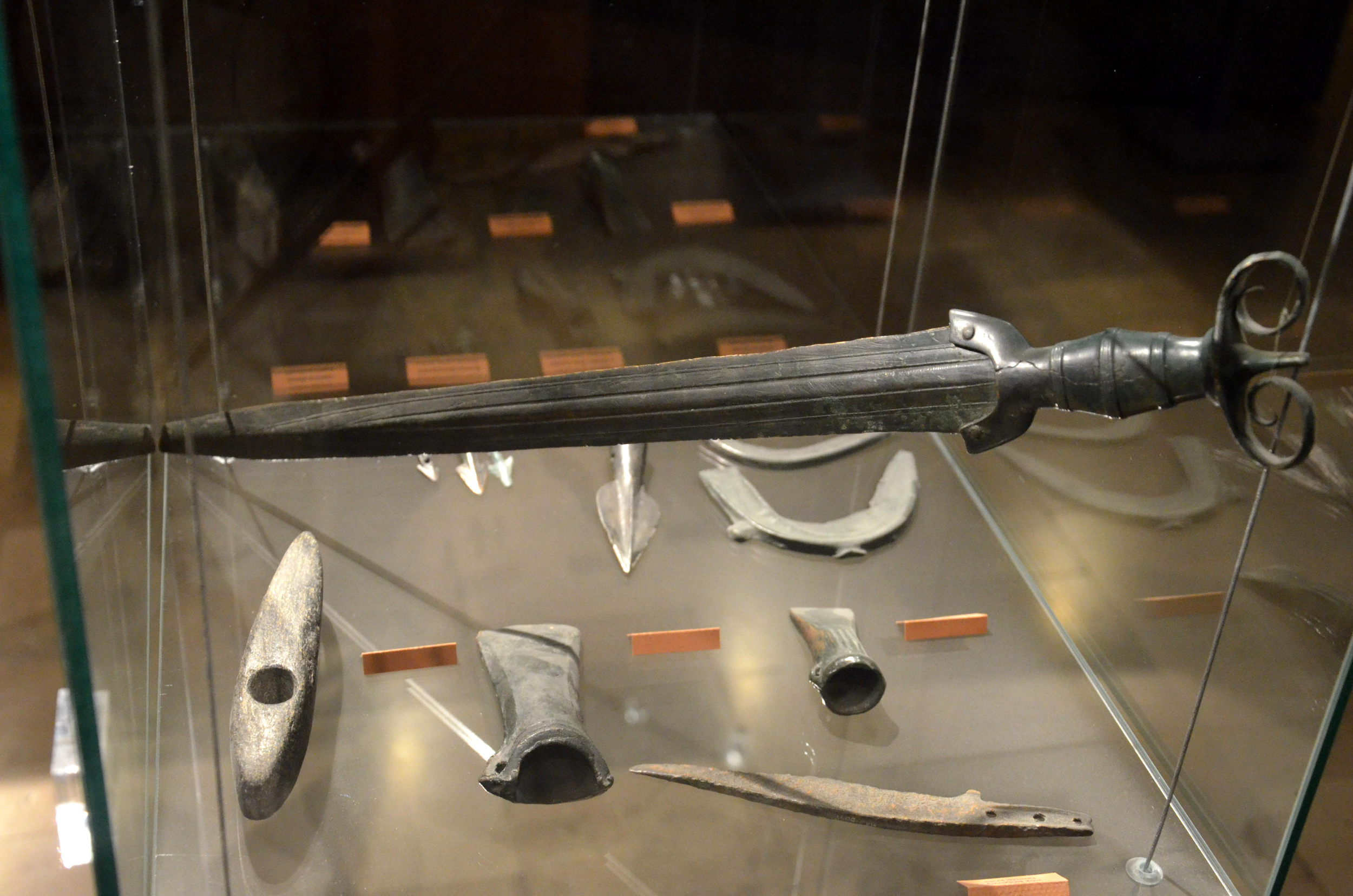
  • Waterlogged Sword Sacrifices: Beyond their ceramic achievements, the Pomeranians operated a sophisticated votive economy focused on peat bogs, rivers, and lakes near the Baltic Sea. Recent chemical and micro-wear analyses of bronze and early iron swords recovered from these waterlogged environments have "decoded" their sacrifice patterns.

  • Killing the Blade: Warriors did not simply drop weapons into the water by accident or lose them in chaotic battles. Instead, status swords were intentionally "killed"—subjected to high heat, bent at 90-degree angles, or deliberately notched along the blade edge—before being deposited. This ritual defacement permanently removed the object from the physical economy of war and transitioned it into the spirit realm as an offering to Baltic water deities.
← Albanian Genetic Archaeology: Illyrian-Pelasgian LinksLusatian Culture: Poland's Iron Age Urn Fields →
Featured
image_2026-06-30_223029721.png
July 9, 2026
Albanian Genetic Archaeology: Illyrian-Pelasgian Links
July 9, 2026
Read more →
July 9, 2026
image_2026-06-30_222952964.png
July 9, 2026
Pomeranian Culture: Baltic Sword Sacrifices Decoded
July 9, 2026
Read more →
July 9, 2026
image_2026-06-30_222837231.png
July 9, 2026
Lusatian Culture: Poland's Iron Age Urn Fields
July 9, 2026
Read more →
July 9, 2026
image_2026-06-30_222755014.png
July 9, 2026
Unetice Culture: Czech Bronze Age Hoard Genetics
July 9, 2026
Read more →
July 9, 2026
image_2026-06-30_222420379.png
July 9, 2026
The "Disappearing Immigrant" Phenomenon
July 9, 2026
Read more →
July 9, 2026
image_2026-06-30_222339721.png
July 9, 2026
The DNA Evidence: A European Signature in the Levant
July 9, 2026
Read more →
July 9, 2026
read more

Powered by The archaeologist