Humans have been using snowshoes for a very long time. Archaeologists have uncovered simple wooden frame snowshoes in the glaciers of the Italian Dolomites dating back to around 3800 BC.
Across history, different cultures have relied on these tools to move efficiently over deep snow by “floating” rather than sinking with every step. For thousands of years, this skill was essential for survival. Indigenous communities, fur traders, dog sled teams, and lumberjacks from Finland to Colorado used snowshoes to save energy, travel long distances, complete work, and even pursue enemies across harsh winter landscapes.
Today, our connection to snowshoeing may not be as dramatic, but it’s still incredibly valuable—and worth revisiting if you haven’t worn a pair lately. With a possibly snowy winter ahead, here’s why snowshoeing remains such a worthwhile activity.
Cardiovascular Benefits
You’ve probably heard us recommend walking often whether it’s weekend “super walks,” climbing stairs, or tackling uneven terrain. Snowshoeing takes all those benefits up a notch. Even though snowshoes help you stay on top of the snow, moving through it still creates natural resistance that challenges your muscles and boosts your workout.
Because of the shoes’ width, you take a slightly broader stance and lift your legs higher with each step. This activates your quads, glutes, and hamstrings and gets your heart pumping.
That extra effort burns a surprising number of calories. Depending on your body and the conditions (such as terrain and elevation), an hour of snowshoeing can burn anywhere from 450 to 1,000 calories comparable to running or cycling for the same amount of time.
Why We Love Snowshoeing
Winter often makes it tempting to stay indoors, which can worsen seasonal blues. But getting outside especially for at least 45 minutes has proven mental health benefits during the coldest months. If you live in a particularly dark or chilly climate, snowshoeing is an excellent way to build a healthy outdoor routine.
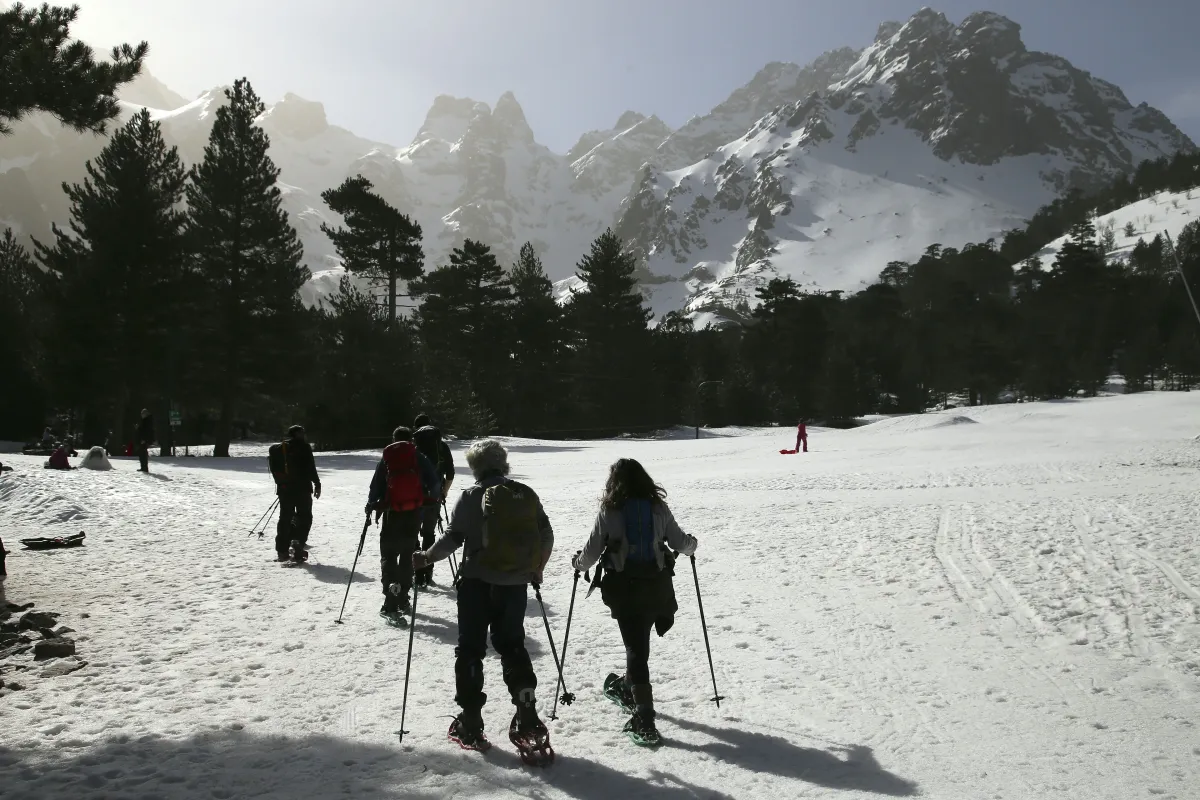
And you don’t need to travel far. If there’s snow on the ground, you can start almost anywhere: an empty soccer field, a quiet golf course, or any open, unplowed space where you’re welcome to walk. Snowshoeing is low-impact, easy to adjust depending on how intense you want your workout to be, and most importantly really enjoyable. It’s not every day you get to experience winter the way our ancestors once did.
What You’ll Need
The best part? Snowshoeing is one of the more affordable winter sports. You can buy a reliable pair of snowshoes for under $150. Many brands also offer sets that include trekking poles, or you can purchase poles separately for around $40. They’re especially helpful if you’re new to snowshoeing, concerned about balance, or planning to go alone.
It’s a bit ironic that today’s lightweight, synthetic snowshoes with metal traction would have been lifesaving tools in ancient times yet now we use them for fresh air, scenery, and maybe a little birdwatching. But that’s exactly the beauty of it. Instead of feeling guilty, let’s appreciate the opportunity and enjoy the snowy season ahead.