• MAIN PAGE
  • LATEST NEWS
    • Lost Cities
    • Archaeology's Greatest Finds
    • Underwater Discoveries
    • Greatest Inventions
    • Studies
    • Blog
  • PHILOSOPHY
  • HISTORY
  • RELIGIONS
    • Africa
    • Anatolia
    • Arabian Peninsula
    • Balkan Region
    • China - East Asia
    • Europe
    • Eurasian Steppe
    • Levant
    • Mesopotamia
    • Oceania - SE Asia
    • Pre-Columbian Civilizations of America
    • Iranian Plateau - Central Asia
    • Indus Valley - South Asia
    • Japan
    • The Archaeologist Editor Group
    • Scientific Studies
    • Aegean Prehistory
    • Historical Period
    • Byzantine Middle Ages
    • Predynastic Period
    • Dynastic Period
    • Greco-Roman Egypt
  • Rome
  • PALEONTOLOGY
  • About us
Menu

The Archaeologist

  • MAIN PAGE
  • LATEST NEWS
  • DISCOVERIES
    • Lost Cities
    • Archaeology's Greatest Finds
    • Underwater Discoveries
    • Greatest Inventions
    • Studies
    • Blog
  • PHILOSOPHY
  • HISTORY
  • RELIGIONS
  • World Civilizations
    • Africa
    • Anatolia
    • Arabian Peninsula
    • Balkan Region
    • China - East Asia
    • Europe
    • Eurasian Steppe
    • Levant
    • Mesopotamia
    • Oceania - SE Asia
    • Pre-Columbian Civilizations of America
    • Iranian Plateau - Central Asia
    • Indus Valley - South Asia
    • Japan
    • The Archaeologist Editor Group
    • Scientific Studies
  • GREECE
    • Aegean Prehistory
    • Historical Period
    • Byzantine Middle Ages
  • Egypt
    • Predynastic Period
    • Dynastic Period
    • Greco-Roman Egypt
  • Rome
  • PALEONTOLOGY
  • About us

Ancient Roads That Changed the World Forever

January 15, 2026

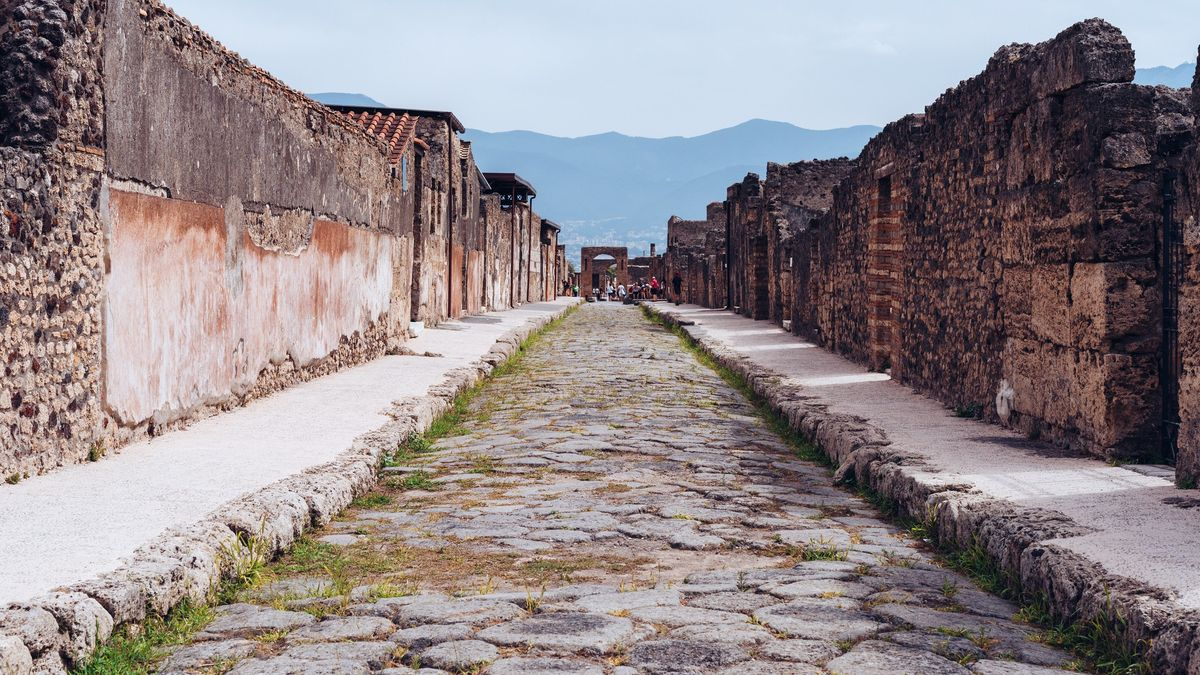
Long before modern highways, ancient roads formed the backbone of civilization. These routes enabled trade, migration, warfare, and cultural exchange, fundamentally shaping human history. Roads were not merely paths but arteries through which ideas, religions, technologies, and power flowed.

The Silk Road stands as the most famous example, connecting China to the Mediterranean. Through this vast network, silk, spices, metals, and philosophies such as Buddhism and Islam traveled across continents. The exchange was not one-sided; diseases, innovations, and artistic styles also moved along these routes.

The Royal Road of Persia, built under Darius I, stretched over 2,500 kilometers and featured rest stations, guards, and standardized administration. It allowed messages to travel with unprecedented speed and helped unify a vast empire. Similarly, Roman roads were engineered for durability, with layered stone construction that allowed legions to march quickly and maintain control over distant provinces.

Pilgrimage routes also shaped societies. Roads leading to sacred sites fostered economic growth and cultural blending. The Camino de Santiago in Europe and routes to Mecca transformed local communities into cosmopolitan centers.

Ancient roads collapsed distances and created interconnected worlds. They accelerated the pace of history, enabling civilizations to expand influence beyond local boundaries. Without these early networks, the development of global culture, commerce, and empire would have been impossible.

← The First People Who Tried to Predict the FuturePyramids That Are Older Than Egypt →
Featured
image_2026-01-15_205040149.png
Jan 15, 2026
Ancient Acoustic Chambers with Mysterious Echoes
Jan 15, 2026
Read More →
Jan 15, 2026
image_2026-01-15_204746638.png
Jan 15, 2026
The First People Who Tried to Predict the Future
Jan 15, 2026
Read More →
Jan 15, 2026
image_2026-01-15_204706612.png
Jan 15, 2026
Ancient Roads That Changed the World Forever
Jan 15, 2026
Read More →
Jan 15, 2026
image_2026-01-15_203918136.png
Jan 15, 2026
Pyramids That Are Older Than Egypt
Jan 15, 2026
Read More →
Jan 15, 2026
image_2026-01-15_203232878.png
Jan 15, 2026
The Secret Poison Masters of Antiquity
Jan 15, 2026
Read More →
Jan 15, 2026
image_2026-01-15_202105020.png
Jan 15, 2026
Moon Worship Before the Dawn of History
Jan 15, 2026
Read More →
Jan 15, 2026
read more

Powered by The archaeologist