• MAIN PAGE
  • LATEST NEWS
    • Lost Cities
    • Archaeology's Greatest Finds
    • Underwater Discoveries
    • Greatest Inventions
    • Studies
    • Blog
  • PHILOSOPHY
  • HISTORY
  • RELIGIONS
    • Africa
    • Anatolia
    • Arabian Peninsula
    • Balkan Region
    • China - East Asia
    • Europe
    • Eurasian Steppe
    • Levant
    • Mesopotamia
    • Oceania - SE Asia
    • Pre-Columbian Civilizations of America
    • Iranian Plateau - Central Asia
    • Indus Valley - South Asia
    • Japan
    • The Archaeologist Editor Group
    • Scientific Studies
    • Aegean Prehistory
    • Historical Period
    • Byzantine Middle Ages
    • Predynastic Period
    • Dynastic Period
    • Greco-Roman Egypt
  • Rome
  • PALEONTOLOGY
  • About us
Menu

The Archaeologist

  • MAIN PAGE
  • LATEST NEWS
  • DISCOVERIES
    • Lost Cities
    • Archaeology's Greatest Finds
    • Underwater Discoveries
    • Greatest Inventions
    • Studies
    • Blog
  • PHILOSOPHY
  • HISTORY
  • RELIGIONS
  • World Civilizations
    • Africa
    • Anatolia
    • Arabian Peninsula
    • Balkan Region
    • China - East Asia
    • Europe
    • Eurasian Steppe
    • Levant
    • Mesopotamia
    • Oceania - SE Asia
    • Pre-Columbian Civilizations of America
    • Iranian Plateau - Central Asia
    • Indus Valley - South Asia
    • Japan
    • The Archaeologist Editor Group
    • Scientific Studies
  • GREECE
    • Aegean Prehistory
    • Historical Period
    • Byzantine Middle Ages
  • Egypt
    • Predynastic Period
    • Dynastic Period
    • Greco-Roman Egypt
  • Rome
  • PALEONTOLOGY
  • About us

The First People Who Tried to Predict the Future

January 15, 2026

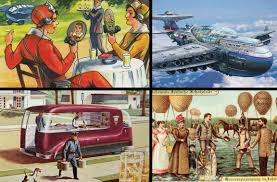
The desire to foresee the future is as old as humanity itself. Ancient societies developed divination systems to interpret signs from gods, nature, and the cosmos, believing that the future left traces in the present.

In Shang Dynasty China, oracle bones were heated until they cracked, and diviners interpreted the patterns to answer questions about war, harvests, and royal decisions. These inscriptions form one of the earliest known writing systems. In Mesopotamia, priests practiced astrology, reading planetary movements as messages from the gods. Eclipses, comets, and unusual births were considered omens of political change or disaster.

Greek oracles, such as Delphi, delivered cryptic prophecies believed to come from Apollo. These predictions influenced military campaigns, colonization, and royal decisions. Meanwhile, augurs in Rome interpreted the flight of birds, thunder, and animal entrails to determine divine approval.

Divination served practical purposes. It provided structure in uncertain times, legitimized authority, and offered psychological comfort. While modern science rejects supernatural prediction, these practices represent humanity’s earliest attempts to understand patterns, probability, and causation.

The first future-seekers laid the groundwork for astronomy, mathematics, and philosophy. Their methods reveal how deeply humans have always sought meaning beyond the visible present.
← Ancient Acoustic Chambers with Mysterious EchoesAncient Roads That Changed the World Forever →
Featured
image_2026-01-15_205040149.png
Jan 15, 2026
Ancient Acoustic Chambers with Mysterious Echoes
Jan 15, 2026
Read More →
Jan 15, 2026
image_2026-01-15_204746638.png
Jan 15, 2026
The First People Who Tried to Predict the Future
Jan 15, 2026
Read More →
Jan 15, 2026
image_2026-01-15_204706612.png
Jan 15, 2026
Ancient Roads That Changed the World Forever
Jan 15, 2026
Read More →
Jan 15, 2026
image_2026-01-15_203918136.png
Jan 15, 2026
Pyramids That Are Older Than Egypt
Jan 15, 2026
Read More →
Jan 15, 2026
image_2026-01-15_203232878.png
Jan 15, 2026
The Secret Poison Masters of Antiquity
Jan 15, 2026
Read More →
Jan 15, 2026
image_2026-01-15_202105020.png
Jan 15, 2026
Moon Worship Before the Dawn of History
Jan 15, 2026
Read More →
Jan 15, 2026
read more

Powered by The archaeologist