Introduction:
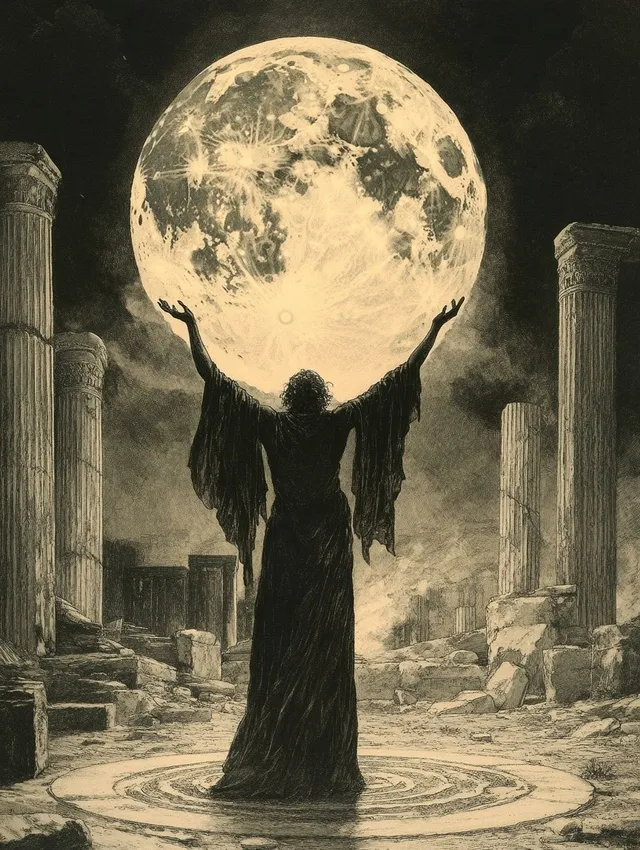
Even before recorded history, humans observed the moon with reverence, connecting its cycles to fertility, tides, and timekeeping. Moon worship was central to many early spiritual systems across continents.
Cultural Significance:
Mesopotamia: Lunar deities like Sin were associated with wisdom, agriculture, and fate.
Egypt: Khonsu, the moon god, was linked to healing and divine order.
Europe: Neolithic monuments like Stonehenge align with lunar cycles, suggesting ceremonial observances.
Ritual Practices:
Prehistoric peoples likely timed planting, hunting, and festivals according to lunar phases. Offerings, dances, and chants honored the moon’s perceived influence on life, weather, and fertility.
Symbolism and Myth:
The moon often represented cyclical time, renewal, and femininity. Many myths describe lunar journeys, battles, or lovers, reflecting the moon’s rhythm and influence on human behavior.
Conclusion:
Moon worship illustrates early humans’ deep connection to natural cycles. By observing and venerating the moon, societies structured time, celebrated fertility, and integrated celestial phenomena into spiritual life, leaving legacies in architecture, myth, and ritual that endure to this day.