Iron Age Elite Burial Discovered in Switzerland’s Intyamon Valley
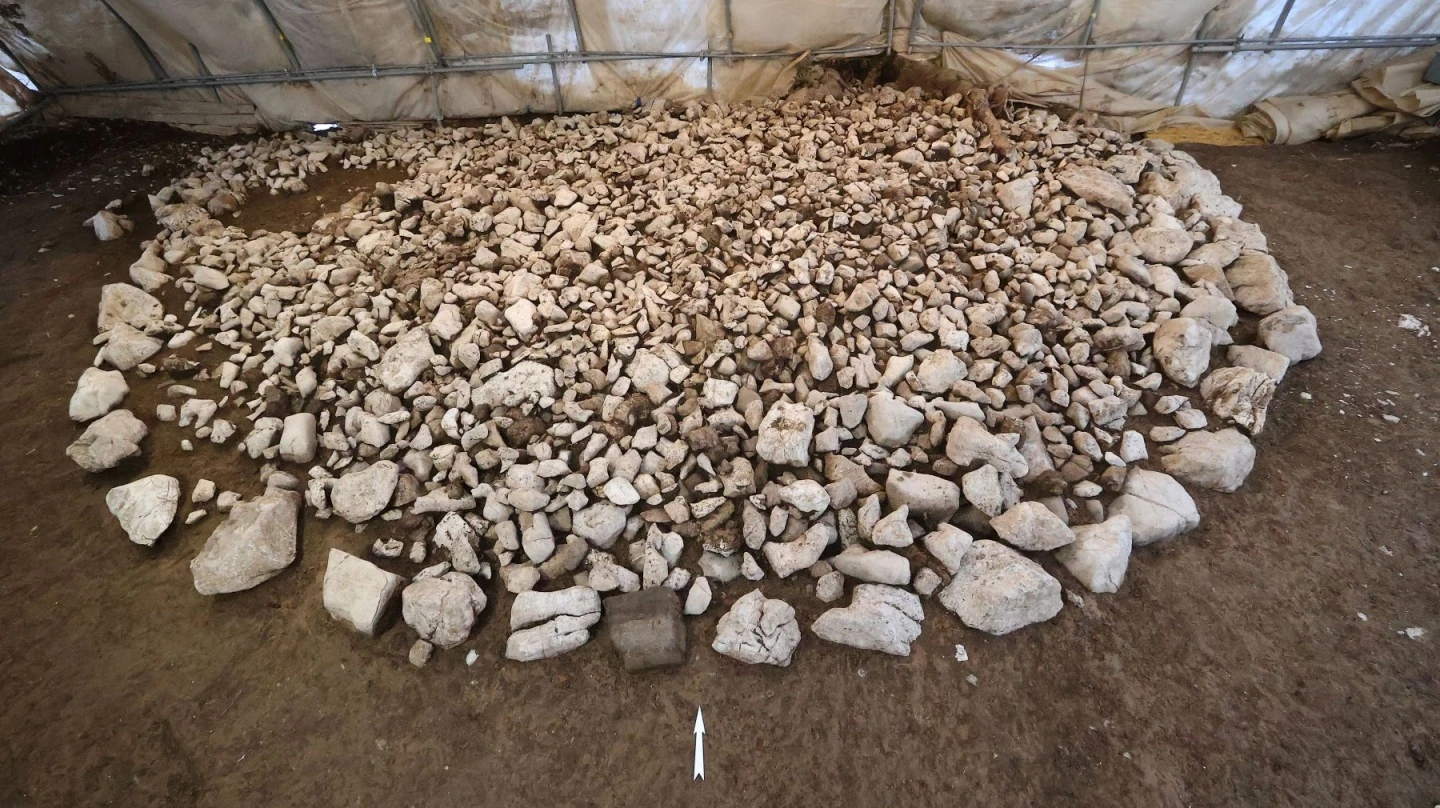
A monumental burial mound in Grandvillard, Fribourg, Switzerland, is shedding new light on social hierarchies and rituals in the western Alps around 600 BCE. Announced by the Amt für Archäologie des Kantons Freiburg (AAFR), the site features a remarkably well-preserved grave within a 10-meter-diameter mound, offering insight into the lives of influential individuals of the early Iron Age.
A Race Against Time
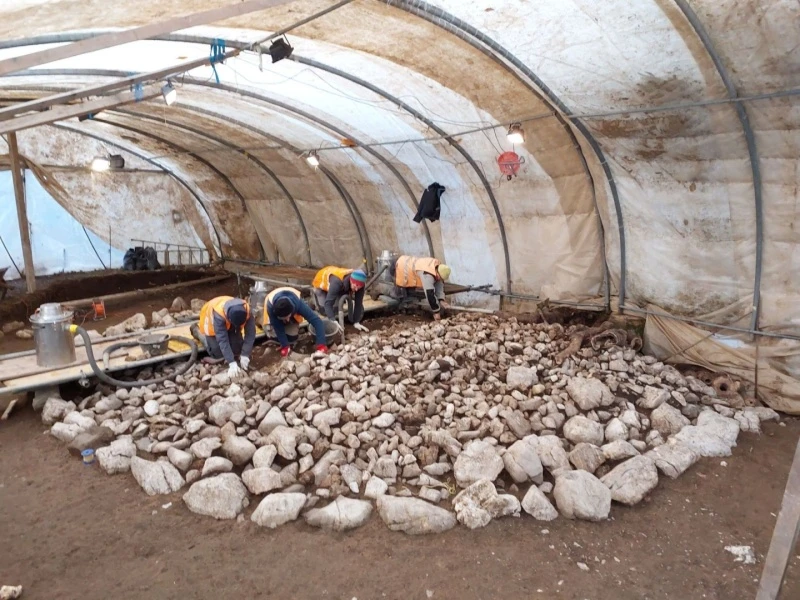
Archaeologists have been studying the Intyamon Valley burial ground since 2019, but this mound faces urgent threats from erosion caused by a nearby mountain stream. Excavations, which began in November 2025, aim to document the site fully before natural forces damage it. Fieldwork will continue through January 2026, giving researchers time to analyze the mound’s construction, stratigraphy, and contents.
Exceptional Preservation
This Grandvillard burial is the third monumental grave discovered in the necropolis, but none match its level of preservation. The intact burial chamber and surrounding earthworks allow scholars to reconstruct Iron Age funerary practices with unprecedented clarity.
Indications of High Status
Preliminary observations suggest that the individual buried here was of high social importance. While the full inventory of burial goods has not yet been released, the context parallels earlier elite graves in the region, which often contained prestigious bronze offerings—a key marker of upper-status burials across Iron Age Europe.
Archaeological Excavations in Grandvillard.
Clues to a Society Shaped by Climate and Landscape
The Grandvillard burial mound offers a rare glimpse into how early Iron Age communities in the Intyamon Valley (circa 800–450 BCE) responded to environmental challenges and organized their society. During this period, cooler temperatures and fluctuating agricultural yields—the Iron Age Cold Period—affected settlement patterns, social structure, and population stability.
Monumental graves like this one required significant communal effort, signaling not only the high status of the deceased but also the community’s ability to mobilize labor and resources. Its prominent location suggests ceremonial and territorial purposes, serving as a visible marker of status across the valley.
An Exceptional Research Opportunity
Because the mound is so well preserved, archaeologists can study burial practices in remarkable detail—from the body’s placement and chamber arrangement to mound layering and associated offerings. These insights reveal aspects of Iron Age identity, belief systems, and social networks.
The Grandvillard excavation also contributes to a growing understanding of the western Alps’ integration into broader Iron Age Europe. Evidence points to long-distance trade, shared rituals, and cultural exchange influencing funerary customs.
Preserving the Past While the Clock Ticks
Despite ongoing erosion from a nearby mountain stream, the excavation is proceeding meticulously. Every stratigraphic layer is photographed, mapped, and sampled to capture the monument’s story before nature erases it.
Once fully documented and analyzed, the mound will help clarify the Intyamon Valley’s social hierarchy and shed light on how ancient communities adapted to shifting climates. For now, Grandvillard stands as one of Switzerland’s most remarkable Iron Age discoveries—a 2,600-year-old testament to a society finally returning to light.