A new exhibition featuring previously unseen artefacts from ancient Egypt has opened in Barnsley, offering visitors the opportunity to explore thousands of years of Egyptian history. The exhibition is being held at Experience Barnsley Museum, located inside Barnsley Town Hall.
The exhibition was designed and curated by Joann Fletcher, a well-known Egyptologist who was born in the town. She explained that presenting around 5,000 years of history in a single exhibition was a major challenge because it covers an enormous time span of Egyptian civilization and its lasting cultural influence.
According to Fletcher, the exhibition explores powerful women from ancient Egyptian history, beginning with some of the earliest known female rulers and continuing through to Cleopatra VII, one of the most famous queens of Ancient Egypt. The timeline also examines how Cleopatra continued to inspire generations over the following 2,000 years.
The exhibition highlights the stories of influential women who shaped Egyptian history and shows how their legacy continued long after the end of the ancient civilization. By bringing together artefacts and historical narratives, the display aims to give visitors a deeper understanding of the role women played in ancient Egyptian society.
Officials from Barnsley Council confirmed that the exhibition will remain open to the public for the next 12 months, giving residents and visitors plenty of time to explore the collection and learn more about ancient Egypt’s rich heritage.
Cleopatra would wear black, emulating her idol, Isis, said Fletcher
A section of the exhibition also highlights the lasting cultural impact of Cleopatra VII through film and popular culture. Part of the display includes memorabilia from the classic Cleopatra, which starred Elizabeth Taylor in the role of the famous Egyptian queen.
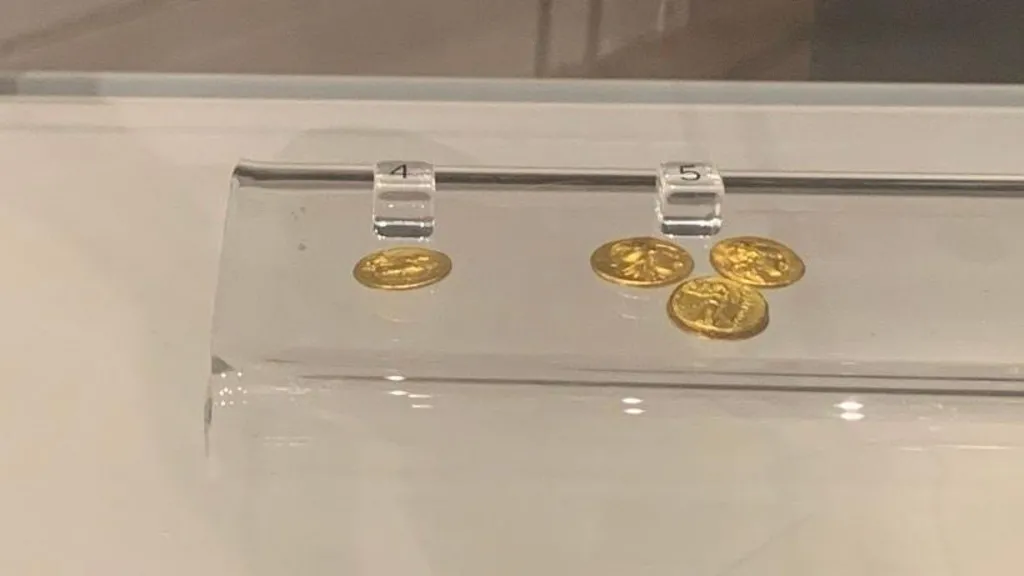
According to a spokesperson from Barnsley Council, there are surprising historical connections between the region and Ancient Egypt, despite the civilisation being located roughly 2,000 miles away. One example involves coins minted by Cleopatra and Mark Antony that were discovered in Darfield. The coins had been buried nearly 1,700 years ago, likely hidden for safety before eventually being uncovered centuries later.
Curator Joann Fletcher explained that the exhibition focuses on the long history of influential women in Egyptian civilisation. She described it as a story of powerful queens, female pharaohs, and the goddesses who inspired them throughout thousands of years.
Fletcher also noted that many of these women held significant political and religious power. Historical records suggest that as many as fifteen women ruled as pharaohs, performing the same roles and responsibilities as male rulers. She pointed out that many of these leaders were also mothers, highlighting how they balanced their royal authority with family life while shaping the history of ancient Egypt.