Archaeologists working in the Mouillage district of Saint-Pierre, Martinique, are uncovering new evidence that traces the city’s growth from its earliest settlement to its destruction in the 1902 eruption of Mount Pelée.
Founded in 1635 as France’s first permanent colony on Martinique, Saint-Pierre quickly developed into the island’s main economic and cultural hub, earning the nickname “the Paris of the Caribbean.”
Although few remains survive from the city’s earliest years, recent excavations have identified four distinct phases of occupation spanning from the late 17th century to modern times.
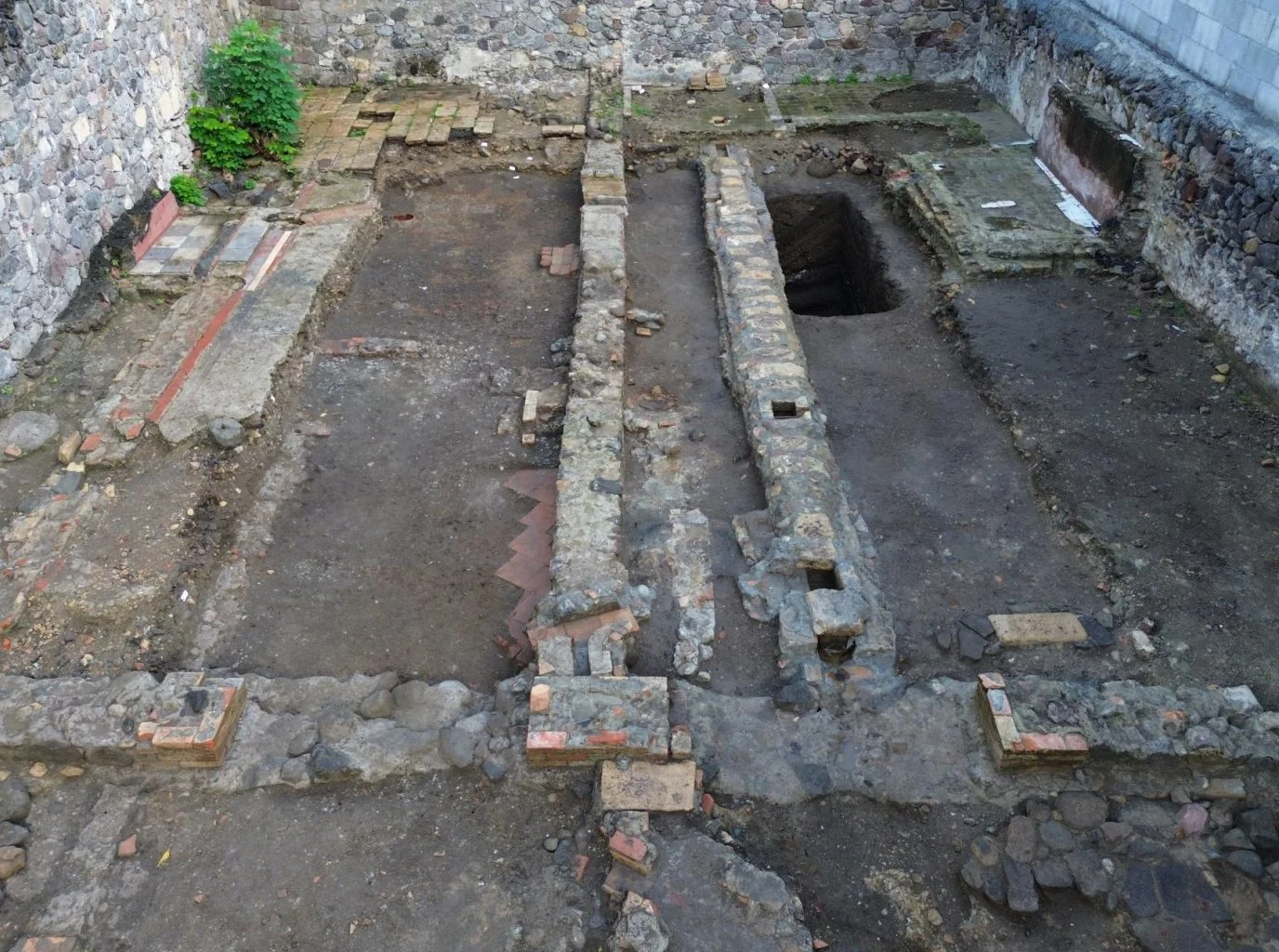
The earliest phase reveals a pumice quarry, where stone was extracted for building materials. In the 18th and 19th centuries, the area was then occupied by a rectangular structure linked to port-related activities.
The site later transformed into a residential neighborhood. Archaeologists uncovered brick, tile, and bluestone-paved surfaces, as well as an extensive network of pipes that supplied running water to homes and decorative basins.
The final phase includes the remains of a two-storey house featuring tiled floors, an outdoor kitchen, a bread oven, and a basin. Finds such as porcelain, earthenware, and glass vessels point to a comfortable standard of living, typical of well-off households in Saint-Pierre during the 18th and 19th centuries.
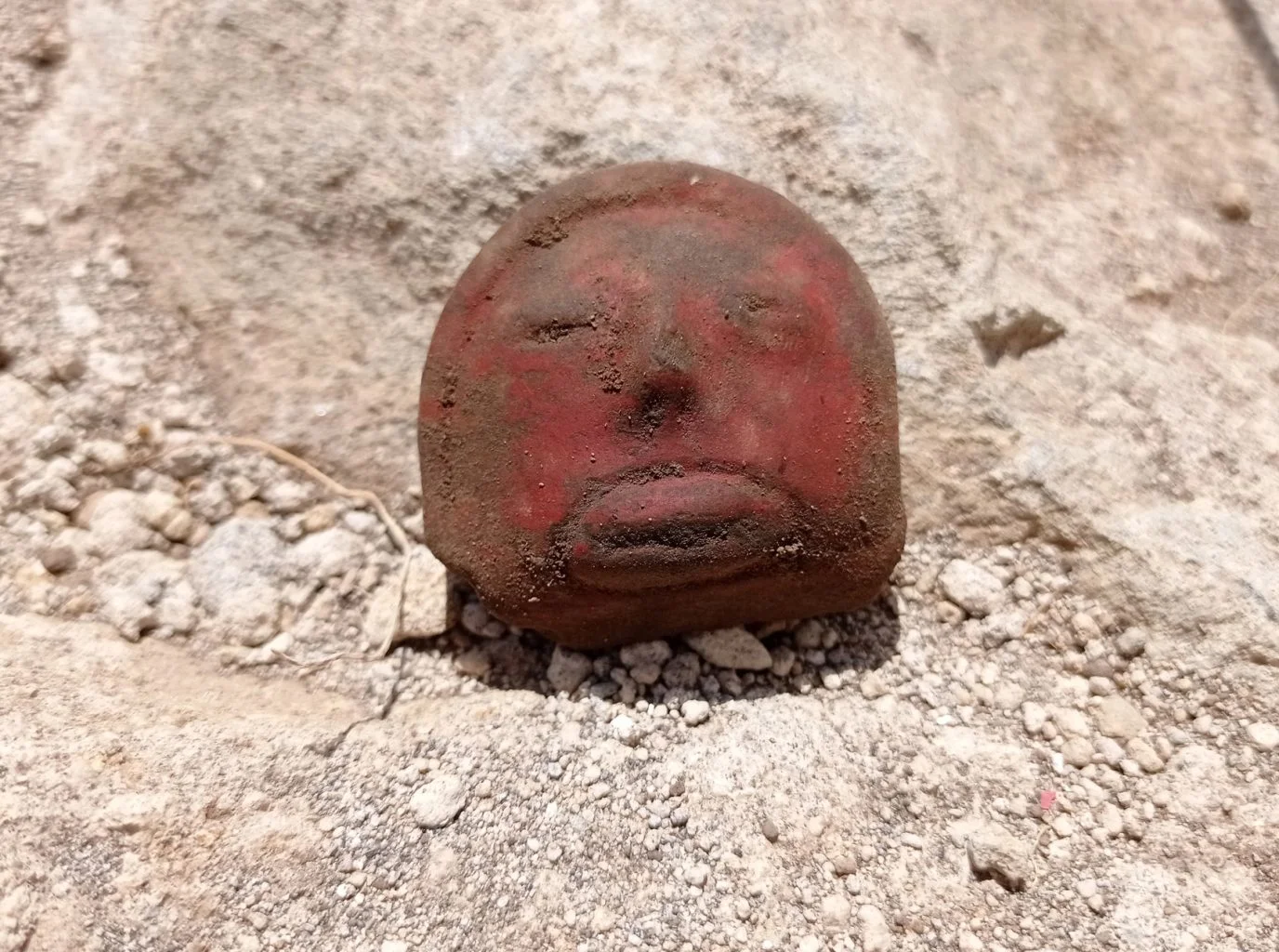
The excavation has also revealed a much deeper chapter of the site’s history. Two volcanic layers, dated to around 60 BC and AD 1300, contain clear traces of a substantial Native American presence.
This occupation, attributed to the Late Ceramic Age (c. AD 750–1100), includes pottery, stone tools, animal remains, postholes, refuse pits, and six human burials. The evidence points to a community whose livelihood was largely based on fishing, supported by hunting and the use of marine resources.
Together, these discoveries highlight the long and complex past of Saint-Pierre, documenting its transformation from a pre-Columbian settlement to a colonial port city, all preserved beneath the modern urban landscape.