Bulhar, also known as Bulhar/Bulhar Harbor, is a historic coastal settlement in Somaliland that became an important port during the nineteenth century.
Its history illustrates how commercial importance can rise and fall as trade routes, political conditions, transportation technology, and competing ports change.
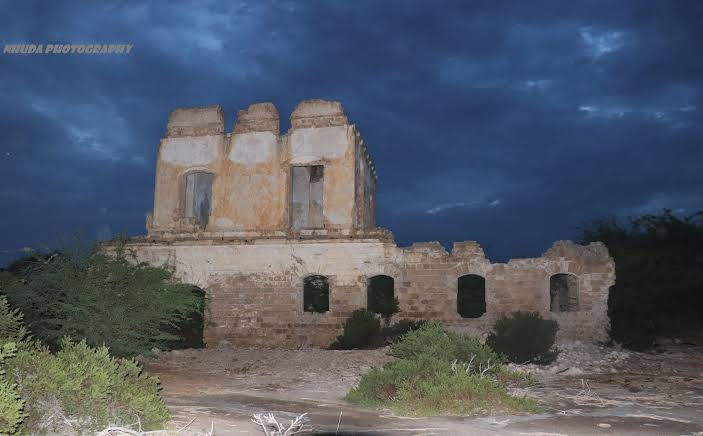
Today, Bulhar is remembered largely through its archaeological remains and its role in the history of Somaliland's coastal commerce.
A Port on the Gulf of Aden
Bulhar's location gave it access to maritime routes across the Gulf of Aden.
The port could connect inland trade networks with ships traveling toward:
Arabia;
the Red Sea;
East Africa;
and the wider Indian Ocean.
Nineteenth-Century Trade
During the nineteenth century, commerce along the Somali coast expanded.
European merchants became increasingly involved in regional trade.
Somali merchants and pastoral communities continued to control much of the local economic system.
Livestock
Livestock were particularly important.
The interior supplied:
camels;
cattle;
sheep;
and goats.
These could be traded or exported through coastal ports.
Hides and Other Goods
Other commodities included:
hides;
skins;
ghee;
salt;
and aromatic products.
Imported goods traveled inland in return.
Caravan Connections
Bulhar's success depended on inland caravan routes.
Camel caravans could transport goods between the port and interior markets.
This created an integrated economic network.
European Merchants
European merchants increasingly established commercial relationships along the Gulf of Aden.
British interests became particularly important as Britain developed its presence in the region.
Competition With Berbera
One reason for Bulhar's eventual decline was competition from nearby ports, particularly Berbera.
Berbera possessed advantages as a major regional market and became increasingly important under British administration.
Changing Transportation
The rise of steamships and modern transport changed maritime trade.
Ports needed suitable:
anchorages;
infrastructure;
warehouses;
roads;
and administrative systems.
A harbor that had once been commercially successful could decline if it could not adapt.
Abandonment
As commercial networks shifted, Bulhar gradually lost much of its former importance.
The settlement's decline created an archaeological landscape where ruins preserve evidence of its former prosperity.
Archaeological Importance
Abandoned ports are particularly valuable because archaeologists can examine:
warehouses;
houses;
wells;
walls;
cemeteries;
and imported ceramics.
These remains reveal the scale and character of historic commerce.
Why Bulhar Matters
Bulhar demonstrates that coastal economic systems are dynamic.
A port can become wealthy when:
trade routes favor it;
inland supply networks are strong;
and ships can access the harbor.
But the same port can decline when those conditions change.
Conclusion
Bulhar's abandoned harbor is a reminder that commercial geography is never permanent.
The port once connected inland Somaliland with the maritime world of the Gulf of Aden.
Competition, colonial economic changes, new transportation technologies, and shifting trade routes eventually reduced its importance.
Its ruins now provide a valuable archaeological record of a once-active nineteenth-century trading center.