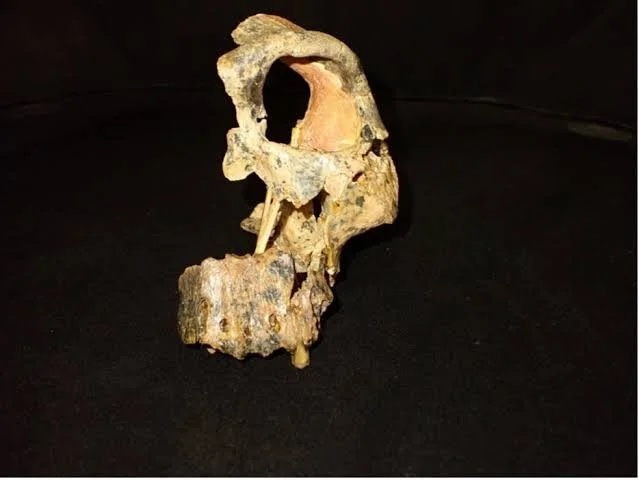
Xiis, also known as Xiis/Xiisad, is a coastal settlement in Somaliland associated with the long history of trade along the Gulf of Aden.
The description “Ottoman Trading Post” requires careful historical qualification. Ottoman influence was strongest in the Red Sea and surrounding regions, and Ottoman involvement in the Horn of Africa was often indirect, military, diplomatic, or commercial rather than equivalent to a permanently administered Ottoman colony.
Nevertheless, Xiis lies within a coastal landscape affected by the wider Ottoman-Portuguese competition for control of Red Sea and Indian Ocean commerce.
The Ottoman Empire and the Red Sea
During the sixteenth century, the Ottoman Empire expanded its influence toward the Red Sea and western Indian Ocean.
The empire sought to:
protect Muslim trade routes;
challenge Portuguese expansion;
secure Red Sea commerce;
and strengthen relations with Muslim states.
Portuguese Competition
Portuguese naval power threatened established Muslim commercial networks.
Portuguese ships attempted to control strategic maritime routes and ports.
The Ottomans responded by expanding their own naval presence.
The Somali Coast
Somali coastal communities already possessed established trade systems.
They exchanged goods with:
Yemen;
Arabia;
Ethiopia;
Egypt;
India;
and other regions.
Ottoman involvement therefore occurred within an existing commercial environment.
What a Trading Post Could Do
A trading station could serve as:
a storage location;
a market;
a customs point;
a maritime stopping place;
or a diplomatic center.
Not all trading posts required large permanent buildings.
Archaeological Evidence
Researchers studying historic coastal settlements examine:
ceramics;
coins;
inscriptions;
architectural remains;
and imported objects.
Ottoman-period ceramics or other artifacts can provide evidence for connections with Ottoman-controlled regions.
Islamic Networks
Religion helped create commercial connections.
Muslim merchants could travel through the Red Sea and Gulf of Aden while sharing:
religious institutions;
legal traditions;
languages;
and commercial customs.
This made Islamic networks particularly important to long-distance trade.
Local Autonomy
The presence of foreign merchants or imported goods does not necessarily mean that local rulers lost control.
Somali coastal communities often retained considerable political autonomy.
Foreign traders depended on local authorities for:
security;
market access;
and permission to operate.
The Decline of Ottoman Influence
Ottoman influence in the western Indian Ocean faced continuing competition.
The Portuguese remained powerful at sea, while local states and merchants retained control over many commercial networks.
Over time, European imperial powers would become increasingly influential.
Why Xiis Matters
Xiis provides a useful lens through which to examine the interaction between:
Somali coastal communities;
Ottoman geopolitical interests;
Portuguese maritime expansion;
and Islamic trade networks.
Conclusion
The history associated with Xiis demonstrates that the Somali coast was deeply connected to the geopolitical struggles of the wider Indian Ocean.
Ottoman influence should not be understood as simple colonial control.
Instead, it formed part of a complex network of military alliances, commercial relationships, Islamic connections, and competition with Portuguese naval power.