Burao is one of Somaliland's major inland cities and historically developed within a landscape shaped by pastoralism, caravan trade, and regional markets.
During the nineteenth century, caravan networks were essential to the economy of the Horn of Africa.
Before modern roads and motor vehicles, camels provided one of the most effective means of transporting goods across dry landscapes.
Burao's position made it an important meeting point between inland pastoral communities and broader commercial networks.
The Camel Caravan
Camels were ideally suited to arid environments.
They could:
travel long distances;
carry heavy loads;
survive periods with limited water;
and consume vegetation unavailable to many other livestock.
This made them indispensable to long-distance trade.
What Did Caravans Carry?
Goods transported across Somaliland could include:
livestock;
hides;
skins;
ghee;
aromatic products;
salt;
textiles;
and imported manufactured goods.
The exact commodities varied according to location and period.
Burao as a Market
Markets were places where pastoralists and merchants exchanged goods.
A livestock market could bring together people from widely separated territories.
This created opportunities for:
trade;
social interaction;
political negotiation;
and information exchange.
The Importance of Water
A caravan stop needed reliable water.
Travelers and animals required substantial quantities.
Wells and seasonal water sources therefore influenced the location of settlements and routes.
Pastoral Communities
Burao's historical economy was closely connected to pastoralism.
People raised:
camels;
cattle;
sheep;
and goats.
Livestock were both economic resources and important social assets.
Coastal Connections
Goods could move from Burao toward coastal ports such as Berbera.
From there, products could enter maritime trade networks.
Conversely, imported goods could travel inland toward Burao.
This created a connection between:
pastoral interior → caravan route → coastal port → international trade.
Nineteenth-Century Trade
The nineteenth century was a period of significant change in the Horn of Africa.
European merchants and imperial powers increasingly became involved in regional commerce.
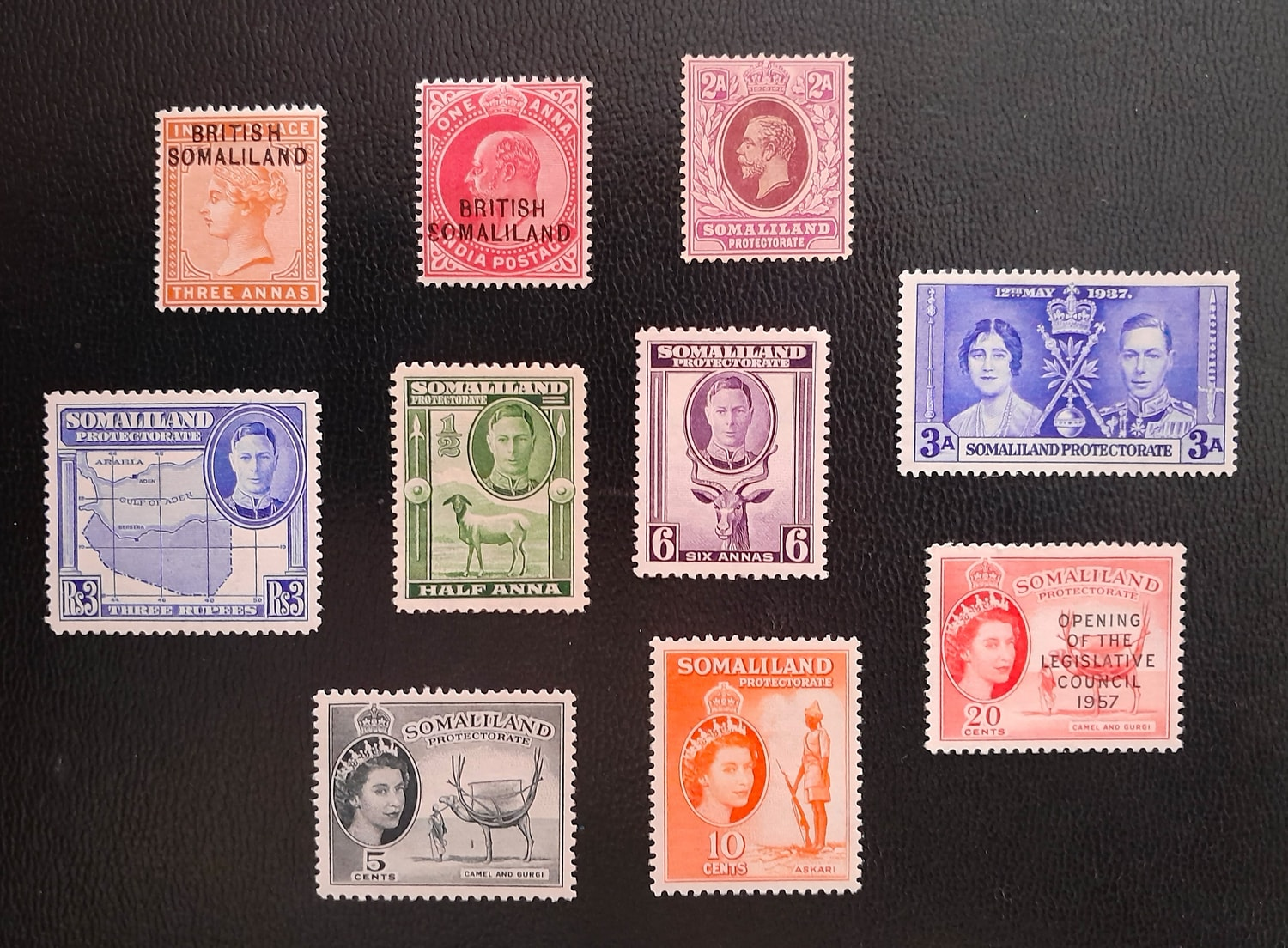
British influence over the Somaliland coast expanded.
Trade in livestock and other products became increasingly connected to international markets.
Colonial Rule
British Somaliland was established as a colonial territory.
Colonial authorities sought to regulate:
trade;
taxation;
movement;
and political relationships.
These changes affected caravan networks.
From Camels to Motor Transport
During the twentieth century, roads and motor vehicles gradually transformed transportation.
Caravan routes became less dominant.
Markets increasingly connected to modern urban infrastructure.
Nevertheless, livestock trading remained central to the economy.
Why Burao Matters
Burao represents the transformation of an inland caravan economy into a modern commercial center.
Its history demonstrates how:
pastoralism;
camel transport;
regional markets;
coastal trade;
and colonial economic systems
interacted.
Conclusion
Burao's history is closely connected to the caravan networks that once crossed Somaliland.
Camel traders carried goods between inland pastoral communities and coastal ports, linking local economies with the wider Red Sea and Indian Ocean world.
The rise of roads and motor transport eventually changed these networks, but the commercial importance of livestock and regional markets remains a major part of Burao's historical legacy.