Oodweyne is an important settlement in the interior of Somaliland and forms part of the region's historical landscape of pastoral communities, local political authority, and trade.
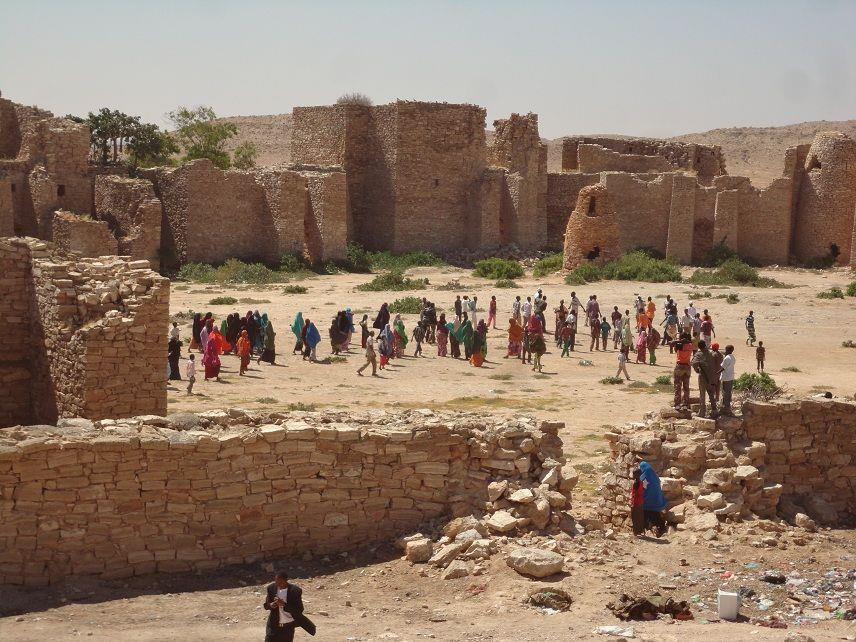
The description “Sultanate Palace” should be treated carefully because specific claims about a surviving palace and its exact connection to a named sultanate require archaeological and historical verification.
Nevertheless, the concept provides an opportunity to explore the role of political residences in Somali sultanate society.
Political Authority in Somali Society
Traditional Somali political systems could include:
sultans;
clan leaders;
religious authorities;
elders;
and local chiefs.
Authority was often negotiated through relationships rather than imposed through a centralized bureaucracy.
What Was a Sultan's Residence?
A ruler's residence could serve several functions.
It could provide space for:
meetings;
diplomacy;
receiving visitors;
storing goods;
religious activities;
and administrative decisions.
A political residence was therefore more than a private home.
Architecture and Local Materials
Buildings in Somaliland traditionally used locally available materials.
Depending on the environment, construction could involve:
stone;
earth;
timber;
mud plaster;
and woven materials.
Architecture reflected climate and available resources.
The Pastoral Economy
Political authority was closely connected to pastoral wealth.
Livestock represented:
food;
transportation;
wealth;
marriage resources;
and social status.
A ruler's ability to mobilize livestock and followers could strengthen political influence.
Caravan Routes
Interior settlements such as Oodweyne were connected to wider networks through caravan routes.
Camel caravans could transport goods across difficult terrain.
They connected:
inland pastoral communities;
markets;
coastal ports;
and neighboring territories.
Islam and Political Authority
Islamic traditions provided another source of legitimacy.
Rulers could maintain relationships with:
religious scholars;
Sufi leaders;
and mosque communities.
Religious authority and political authority often interacted.
Diplomatic Meetings
A ruler's residence could become a place where disputes were resolved.
Elders and representatives from different groups could meet to negotiate:
grazing rights;
water access;
trade;
alliances;
and conflict.
Political architecture therefore supported social negotiation.
Colonial Transformation
European colonial expansion transformed local political systems.
British authorities increasingly imposed administrative structures that changed the role of traditional leaders.
Some rulers cooperated with colonial authorities.
Others resisted.
Traditional political institutions did not disappear immediately, but their authority changed.
Why Oodweyne Matters
Oodweyne represents the broader history of interior Somaliland, where pastoral economies and political institutions interacted with trade and religion.
Conclusion
The historical importance of Oodweyne lies in understanding how political authority functioned within Somali society.
Whether or not a specific surviving structure can securely be identified as a “sultanate palace,” the region illustrates how rulers, elders, religious authorities, and pastoral communities organized political life across the Somaliland interior.