The Lost Roman City Behind One of Christianity's Most Turbulent Eras
The ancient city of Calama, located near modern Guelma in northeastern Algeria, was an important urban center of Roman North Africa.
Although less internationally famous than Timgad or Djemila, Calama played a significant role in the political, religious, and urban history of the region.
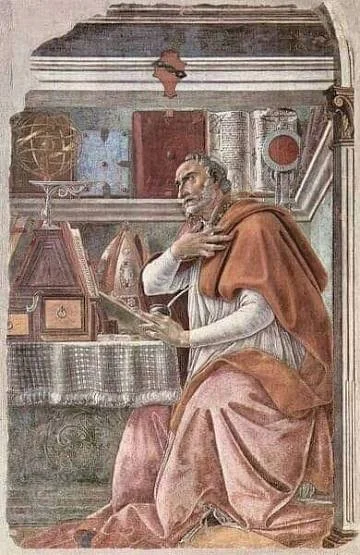
Its story also intersects with one of the most influential figures of late antique Christianity: Augustine of Hippo.
However, historical precision is essential.
Augustine himself was bishop of Hippo Regius, not Calama. Calama was governed by its own bishops and formed part of the wider North African Christian world in which Augustine lived, wrote, debated, and exercised influence.
From Earlier Settlement to Roman City
Like many North African urban centers, Calama developed through multiple historical stages.
The region had earlier local populations before Roman political and urban systems became dominant.
Under Roman rule, the settlement developed into an important city.
Urbanization brought:
Roads.
Public buildings.
Baths.
Administrative institutions.
Religious structures.
Numidia and Roman Africa
Calama was located in the Roman province of Numidia, one of the most important regions of Roman North Africa.
The province contained:
Agricultural wealth.
Military installations.
Major cities.
Diverse populations.
Roman authority depended on cooperation and interaction with local communities.
The region was never culturally identical to Italy.
Roman Africa developed its own identity.
The Roman Theater
One of the most important surviving monuments associated with ancient Calama is its Roman theater.
The existence of such a structure demonstrates the city's urban importance.
Theater architecture required:
Skilled construction.
A substantial population.
Cultural and economic resources.
Entertainment was part of Roman civic identity.
The Forum and Public Space
Like other Roman cities, Calama possessed civic spaces associated with administration and public life.
These spaces were where imperial identity became visible.
Inscriptions could honor emperors.
Statues could commemorate local elites.
Buildings demonstrated wealth.
Christianity in Calama
By Late Antiquity, Christianity had become deeply established across North Africa.
Calama developed an important Christian community.
The region was also affected by theological conflict.
One of the most significant controversies involved Donatism, a Christian movement that challenged the legitimacy of certain clergy and institutions.
The dispute was not simply theological.
It involved:
Political authority.
Religious legitimacy.
Social divisions.
The memory of persecution.
Augustine and the Bishop of Calama
Augustine's world included constant interaction with other bishops across North Africa.
Calama became significant in this religious network.
Its bishop, Possidius, is particularly important because he was a close associate and later biographer of Augustine.
Possidius wrote one of the earliest surviving biographies of Augustine, preserving valuable information about his life.
This connection gives Calama an important place in the intellectual history of Christianity.
Violence and Religious Conflict
Late antique North Africa was not a peaceful religious landscape.
Catholic and Donatist communities competed.
Political intervention could intensify conflict.
Churches represented not only spiritual institutions but also social power.
Calama experienced periods of tension that reflect these wider divisions.
The Vandal Period
During the fifth century, the Vandal conquest transformed North Africa.
The Vandals established a kingdom that included major parts of the region.
Political authority shifted.
Religious institutions were affected.
Urban life continued but changed.
Byzantine and Later Transformations
Byzantine forces later reconquered parts of North Africa.
But the region had already experienced centuries of transformation.
The ancient Roman urban system was changing.
Cities survived in different forms.
Some declined.
Others adapted.
Why Calama Matters
Calama is important because history is not only created in famous capitals.
A provincial city can reveal major transformations.
Through Calama, historians can study:
Roman urbanization.
North African Christianity.
Donatist conflict.
Augustine's intellectual network.
Vandal and Byzantine political change.
The ruins may be less famous than those of Timgad, but the city stood at the center of one of the most intellectually important regions of the late ancient world.