• MAIN PAGE
  • LATEST NEWS
    • Lost Cities
    • Archaeology's Greatest Finds
    • Underwater Discoveries
    • Greatest Inventions
    • Studies
    • Blog
  • PHILOSOPHY
  • HISTORY
  • RELIGIONS
    • Africa
    • Anatolia
    • Arabian Peninsula
    • Balkan Region
    • China - East Asia
    • Europe
    • Eurasian Steppe
    • Levant
    • Mesopotamia
    • Oceania - SE Asia
    • Pre-Columbian Civilizations of America
    • Iranian Plateau - Central Asia
    • Indus Valley - South Asia
    • Japan
    • The Archaeologist Editor Group
    • Scientific Studies
    • Aegean Prehistory
    • Historical Period
    • Byzantine Middle Ages
    • Predynastic Period
    • Dynastic Period
    • Greco-Roman Egypt
  • Rome
  • PALEONTOLOGY
  • About us
Menu

The Archaeologist

  • MAIN PAGE
  • LATEST NEWS
  • DISCOVERIES
    • Lost Cities
    • Archaeology's Greatest Finds
    • Underwater Discoveries
    • Greatest Inventions
    • Studies
    • Blog
  • PHILOSOPHY
  • HISTORY
  • RELIGIONS
  • World Civilizations
    • Africa
    • Anatolia
    • Arabian Peninsula
    • Balkan Region
    • China - East Asia
    • Europe
    • Eurasian Steppe
    • Levant
    • Mesopotamia
    • Oceania - SE Asia
    • Pre-Columbian Civilizations of America
    • Iranian Plateau - Central Asia
    • Indus Valley - South Asia
    • Japan
    • The Archaeologist Editor Group
    • Scientific Studies
  • GREECE
    • Aegean Prehistory
    • Historical Period
    • Byzantine Middle Ages
  • Egypt
    • Predynastic Period
    • Dynastic Period
    • Greco-Roman Egypt
  • Rome
  • PALEONTOLOGY
  • About us
No results found

Dunollie: Oban's Iron Age Fort

August 31, 2026

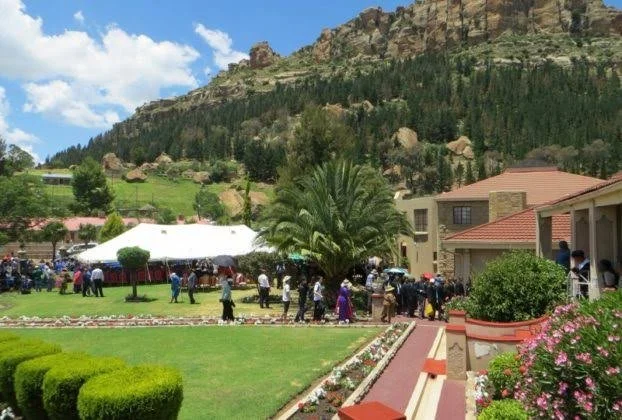
Dunollie is a prominent fortified site overlooking Oban on Scotland's west coast.

The strategic position of the rocky promontory made it suitable for defense and control of maritime routes.

The site has a long history extending from prehistoric occupation into the medieval period.

A Coastal Stronghold

Dunollie occupies elevated ground overlooking the sea.

From the fort, inhabitants could observe:

  • coastal traffic;

  • nearby islands;

  • and surrounding territory.

Iron Age Origins

The site has prehistoric origins and was used during the Iron Age.

Iron Age communities throughout western Scotland constructed fortified settlements on:

  • hills;

  • rocky promontories;

  • islands;

  • and coastal cliffs.

Defense

Natural cliffs provided protection.

Additional walls strengthened the settlement.

Maritime Importance

The west coast of Scotland was deeply dependent on maritime travel.

The sea connected communities more than it separated them.

Boats allowed movement between:

  • islands;

  • mainland settlements;

  • and Ireland.

Dál Riata

The site later became associated with the Gaelic world of Argyll and Dál Riata.

Its location made it strategically important within the western Scottish seascape.

Medieval Development

Dunollie eventually became associated with the powerful Clan MacDougall.

The medieval castle occupies part of the historic stronghold.

Long-Term Occupation

Dunollie is therefore an excellent example of a site repeatedly reused.

Different communities recognized the strategic advantages of the location.

Archaeology

Excavations can reveal evidence of:

  • buildings;

  • pottery;

  • weapons;

  • food remains;

  • and craft production.

Why Dunollie Matters

The site's importance lies partly in its continuity.

It demonstrates how a strategically located landscape could remain valuable across radically different political periods.

Conclusion

Dunollie illustrates the long history of Scotland's western seaboard.

From prehistoric fortification to medieval clan stronghold, the site remained important because it controlled a strategic coastal location.

← Dunadd: Argyll's Dal Riata Capital RockDuntrune: Argyll's Dark Age Fortress →
Featured
image_2026-08-25_001355140.png
August 31, 2026
Mount Sandel: Northern Ireland's 9,000-Year Settlement
August 31, 2026
Read more →
August 31, 2026
image_2026-08-25_001215052.png
August 31, 2026
Star Carr: England's 10,700-Year Mesolithic Lakeside Camp
August 31, 2026
Read more →
August 31, 2026
image_2026-08-25_001438686.png
August 31, 2026
Staosnaig: Scotland's 6,000-Year Shell Midden
August 31, 2026
Read more →
August 31, 2026
image_2026-08-25_001541318.png
August 31, 2026
Barnhouse: Orkney's Neolithic Village and Standing Stones
August 31, 2026
Read more →
August 31, 2026
image_2026-08-25_001752145.png
August 31, 2026
Links of Noltland: Orkney's 5,000-Year Stone House
August 31, 2026
Read more →
August 31, 2026
image_2026-08-25_001848207.png
August 31, 2026
Skara Brae: Orkney's 5,100-Year Underground Village
August 31, 2026
Read more →
August 31, 2026
read more

Powered by The archaeologist