Federal Judge Considers Order to Restore Slavery Exhibit at President’s House
A federal judge is weighing a request from Mayor Cherelle Parker’s administration to compel the National Park Service (NPS) to restore a slavery exhibit at the President’s House site in Philadelphia.
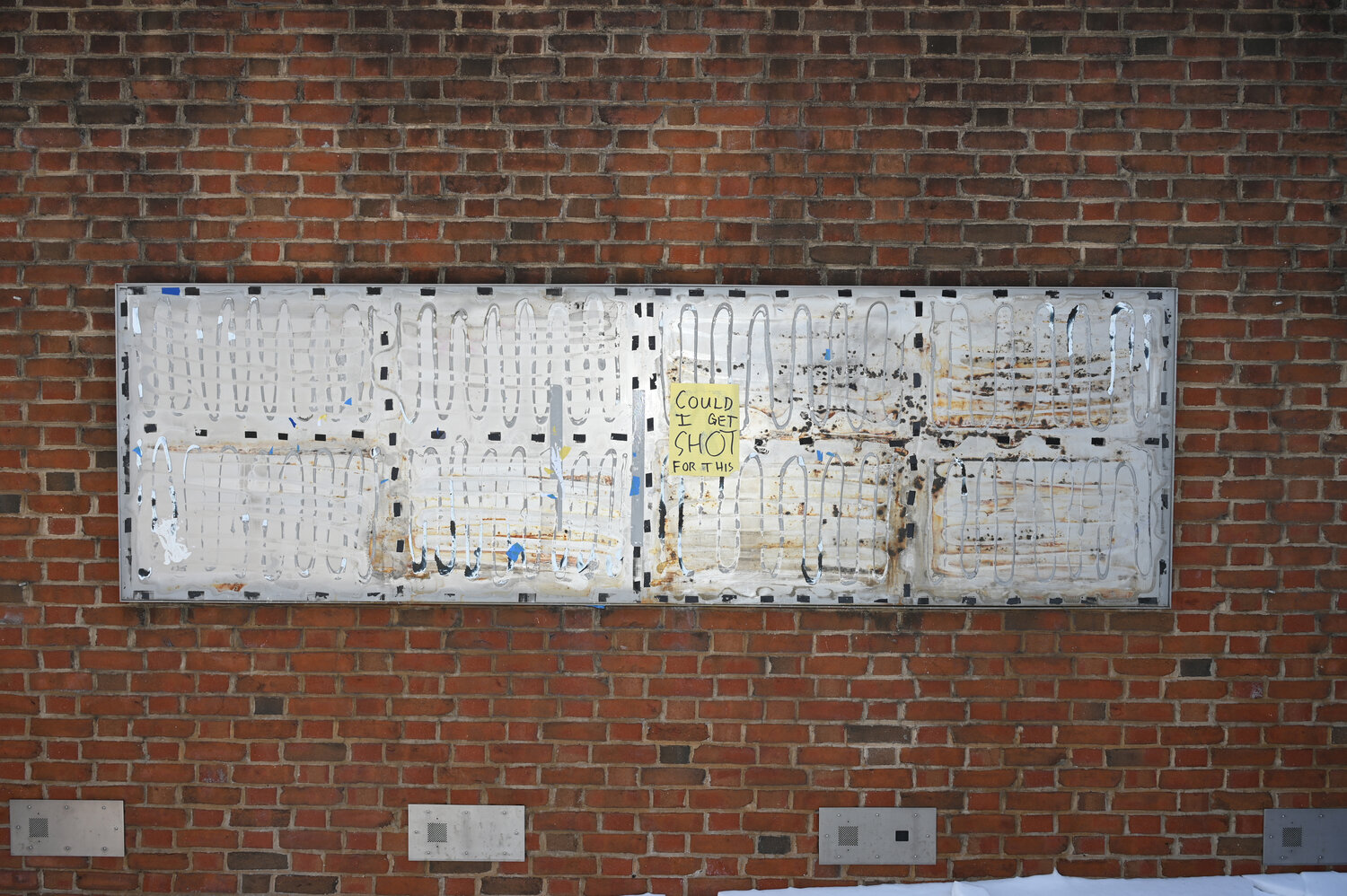
Attorneys for the city and for President Donald Trump’s administration argued the case in federal court on Friday. An initial ruling is expected in the coming days. The dispute follows the abrupt removal of the exhibit’s display panels by NPS staff on January 22.
The exhibit examines the contradiction between slavery and freedom in early America, focusing on the nine enslaved people held by George Washington while he lived in the President’s House during his tenure as the nation’s first president.
Background of the Exhibit
Controversy surrounding the site dates back to 2002, when plans were underway to relocate the Liberty Bell to its current location at 6th and Chestnut streets. Historians noted that visitors would be standing above the remains of slave quarters from Washington’s residence. Portions of the house, located at 6th and Market streets, were later uncovered during an archaeological excavation.
The President’s House served as the executive mansion from 1790 to 1800, before the White House was completed. Both George Washington and John Adams lived there, though Adams did not own slaves.
Advocates, scholars, elected officials and community members pressured the NPS to revise plans for the Liberty Bell Center to acknowledge the enslaved individuals who lived and worked at the site. Among them were Oney Judge and Hercules, who both escaped to freedom from Washington’s Philadelphia household.
One of the leading advocacy groups was the Avenging the Ancestors Coalition, led by attorney Michael Coard, which has also organized recent efforts to preserve the exhibit.
Funding for the project included a $3.5 million commitment from Philadelphia’s city government, a matching $3.5 million grant from the Delaware River Port Authority, and additional federal funds secured by the city’s congressional delegation.
A 2006 agreement between the city and the NPS—amended several times—specified that Philadelphia would design and install the exhibit, while the NPS would manage and interpret it. The Parker administration argues that this agreement bars the NPS from making major changes without city approval.
Federal attorneys counter that the contract expired in 2010, the same year the exhibit opened to the public.
Changes Under the Second Trump Administration
The exhibit operated with little controversy until March 2025, when President Trump issued an executive order calling for the “restoration” of Independence Hall. The order directed federal agencies to remove content from national parks that “inappropriately disparage Americans past or living,” including figures from the colonial era.
Media reports later indicated that the slavery panels near the Liberty Bell had been flagged as problematic. Advocacy groups subsequently mobilized to prevent their removal.
Interior Secretary Doug Burgum, named as a defendant in the city’s lawsuit, issued an implementation order in May outlining a timeline for compliance. That deadline passed in September without changes at the President’s House.
According to court filings, on January 22, Steven Sims, acting regional director of the NPS and superintendent of Independence National Historical Park, was instructed by acting NPS Director Jessica Bowron to remove the exhibit immediately.
Staff members used basic tools to dismantle the display panels and shut down video screens featuring narratives about the enslaved people who lived at the site.
The exhibit materials were transported to the nearby National Constitution Center, where they are being stored while the case proceeds, according to filings submitted by federal attorneys.