• MAIN PAGE
  • LATEST NEWS
    • Lost Cities
    • Archaeology's Greatest Finds
    • Underwater Discoveries
    • Greatest Inventions
    • Studies
    • Blog
  • PHILOSOPHY
  • HISTORY
  • RELIGIONS
    • Africa
    • Anatolia
    • Arabian Peninsula
    • Balkan Region
    • China - East Asia
    • Europe
    • Eurasian Steppe
    • Levant
    • Mesopotamia
    • Oceania - SE Asia
    • Pre-Columbian Civilizations of America
    • Iranian Plateau - Central Asia
    • Indus Valley - South Asia
    • Japan
    • The Archaeologist Editor Group
    • Scientific Studies
    • Aegean Prehistory
    • Historical Period
    • Byzantine Middle Ages
    • Predynastic Period
    • Dynastic Period
    • Greco-Roman Egypt
  • Rome
  • PALEONTOLOGY
  • About us
Menu

The Archaeologist

  • MAIN PAGE
  • LATEST NEWS
  • DISCOVERIES
    • Lost Cities
    • Archaeology's Greatest Finds
    • Underwater Discoveries
    • Greatest Inventions
    • Studies
    • Blog
  • PHILOSOPHY
  • HISTORY
  • RELIGIONS
  • World Civilizations
    • Africa
    • Anatolia
    • Arabian Peninsula
    • Balkan Region
    • China - East Asia
    • Europe
    • Eurasian Steppe
    • Levant
    • Mesopotamia
    • Oceania - SE Asia
    • Pre-Columbian Civilizations of America
    • Iranian Plateau - Central Asia
    • Indus Valley - South Asia
    • Japan
    • The Archaeologist Editor Group
    • Scientific Studies
  • GREECE
    • Aegean Prehistory
    • Historical Period
    • Byzantine Middle Ages
  • Egypt
    • Predynastic Period
    • Dynastic Period
    • Greco-Roman Egypt
  • Rome
  • PALEONTOLOGY
  • About us
No results found

Guardians of Ancient Cities: Mythic Protectors and Symbols

March 19, 2026

Protectors at the Gates

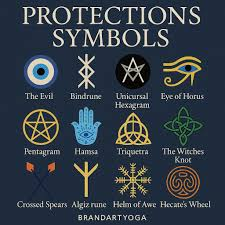
Ancient cities were often guarded not only by walls and soldiers but also by powerful symbols.

Statues and carvings of mythical creatures were placed at entrances and important buildings to serve as protectors.

Symbolic Guardians

Creatures such as lions, griffins, and dragons were commonly used as guardians.

These figures represented strength, vigilance, and the ability to ward off danger.

Their presence was meant to protect both the physical city and its spiritual well-being.

Art and Architecture

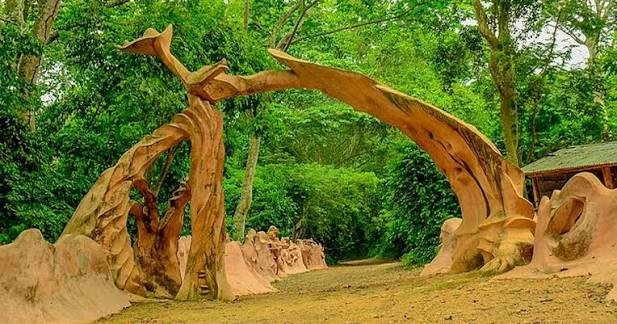
Guardian figures were often integrated into architectural design.

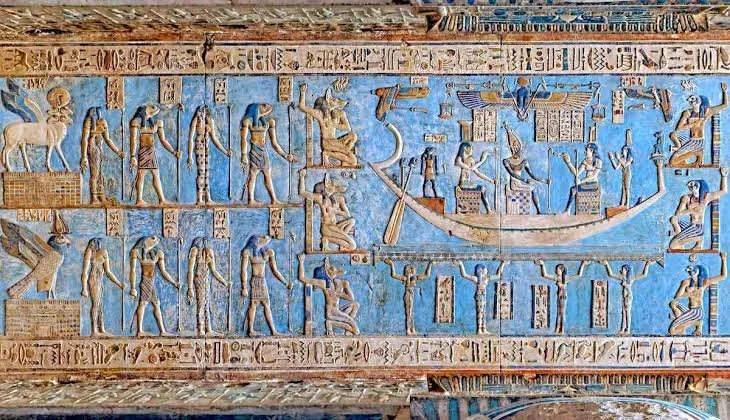
They appeared as massive statues, carved reliefs, or decorative elements on gates and temples.

Their imposing appearance reinforced their protective role.

Cultural Meaning

These guardians were more than decorations—they reflected cultural beliefs about protection and power.

They symbolized the idea that cities were under both human and supernatural protection.

Messages to Visitors

For those entering the city, these figures sent a clear message: this place is protected.

They inspired awe and respect, reinforcing the authority of the rulers and the strength of the community.

Enduring Symbols

Even today, guardian figures continue to appear in art and architecture.

Their origins in ancient cities remind us of humanity’s long-standing desire for protection and security.
← Ancient Water Temples and Sacred SpringsRitual Feasting in Prehistoric Societies →
Featured
image_2026-07-21_215409368.png
July 23, 2026
Caral-Supe Textiles: Peru's 5,000-Year Cotton Weaves
July 23, 2026
Read more →
July 23, 2026
image_2026-07-21_215324765.png
July 23, 2026
Sechín Alto: Peru's 5,500-Year Ritual Complex
July 23, 2026
Read more →
July 23, 2026
image_2026-07-21_215236513.png
July 23, 2026
Sangay Park: Ecuador's Upano Valley Roads
July 23, 2026
Read more →
July 23, 2026
image_2026-07-21_215133477.png
July 23, 2026
Chiribiquete: Colombia's Painted Cave Labyrinth
July 23, 2026
Read more →
July 23, 2026
image_2026-07-21_215024903.png
July 23, 2026
2026 LiDAR: Amazon's 10,000 Geoglyphs Revealed
July 23, 2026
Read more →
July 23, 2026
image_2026-07-21_214821187.png
July 23, 2026
Go Thap: Vietnam's Funan-Era Hindu Shrines
July 23, 2026
Read more →
July 23, 2026
read more

Powered by The archaeologist