• MAIN PAGE
  • LATEST NEWS
    • Lost Cities
    • Archaeology's Greatest Finds
    • Underwater Discoveries
    • Greatest Inventions
    • Studies
    • Blog
  • PHILOSOPHY
  • HISTORY
  • RELIGIONS
    • Africa
    • Anatolia
    • Arabian Peninsula
    • Balkan Region
    • China - East Asia
    • Europe
    • Eurasian Steppe
    • Levant
    • Mesopotamia
    • Oceania - SE Asia
    • Pre-Columbian Civilizations of America
    • Iranian Plateau - Central Asia
    • Indus Valley - South Asia
    • Japan
    • The Archaeologist Editor Group
    • Scientific Studies
    • Aegean Prehistory
    • Historical Period
    • Byzantine Middle Ages
    • Predynastic Period
    • Dynastic Period
    • Greco-Roman Egypt
  • Rome
  • PALEONTOLOGY
  • About us
Menu

The Archaeologist

  • MAIN PAGE
  • LATEST NEWS
  • DISCOVERIES
    • Lost Cities
    • Archaeology's Greatest Finds
    • Underwater Discoveries
    • Greatest Inventions
    • Studies
    • Blog
  • PHILOSOPHY
  • HISTORY
  • RELIGIONS
  • World Civilizations
    • Africa
    • Anatolia
    • Arabian Peninsula
    • Balkan Region
    • China - East Asia
    • Europe
    • Eurasian Steppe
    • Levant
    • Mesopotamia
    • Oceania - SE Asia
    • Pre-Columbian Civilizations of America
    • Iranian Plateau - Central Asia
    • Indus Valley - South Asia
    • Japan
    • The Archaeologist Editor Group
    • Scientific Studies
  • GREECE
    • Aegean Prehistory
    • Historical Period
    • Byzantine Middle Ages
  • Egypt
    • Predynastic Period
    • Dynastic Period
    • Greco-Roman Egypt
  • Rome
  • PALEONTOLOGY
  • About us
No results found

The Origins of Ancient Dance Rituals

March 19, 2026

Movement as Meaning

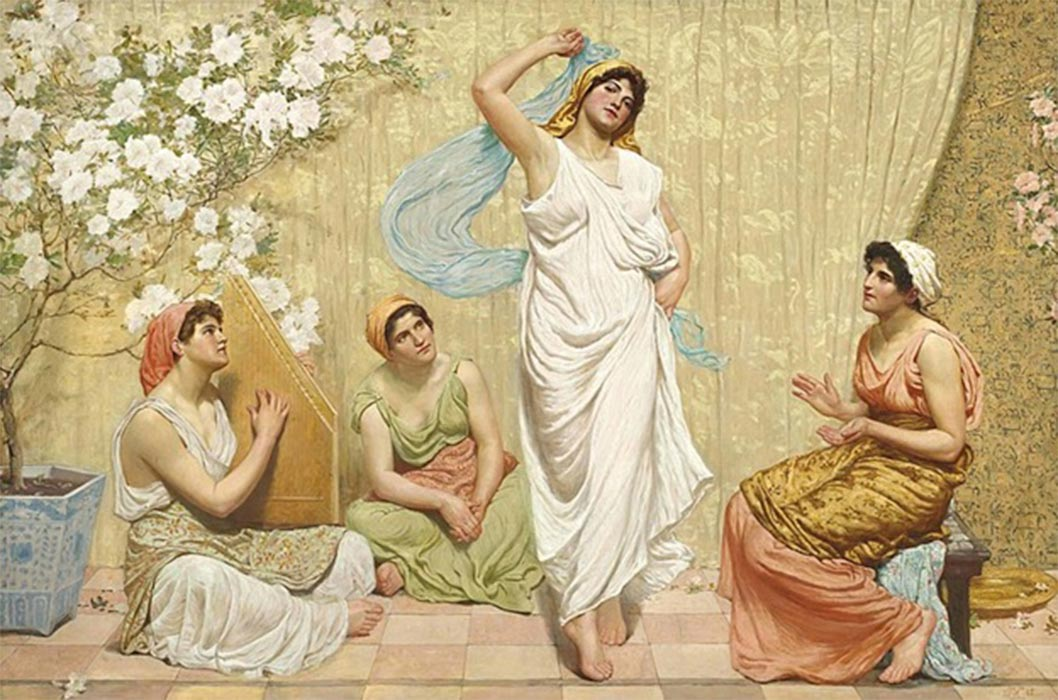
Dance is one of the oldest forms of human expression.

In ancient societies, it played a central role in rituals, ceremonies, and storytelling.

Evidence in Art and Artifacts

Images of dancing figures appear in cave paintings, carvings, and pottery.

These depictions suggest that dance was an important part of early cultural life.

Symbolic Movements

Ritual dances often carried specific meanings.

Movements could represent natural forces, animals, or spiritual journeys.

Through dance, participants expressed ideas that words could not fully capture.

Community Participation

Dance rituals were often performed in groups.

These shared experiences strengthened social bonds and reinforced cultural traditions.

Connection to the Spiritual World

Many dances were believed to connect participants with spiritual forces.

Through rhythm and movement, individuals could enter altered states or communicate with the divine.

The Roots of Performance

Ancient dance rituals laid the foundation for later forms of art and performance.

They show that human creativity has always been closely tied to culture and belief.

The First Calendar Makers and Their Cosmic Wisdom

Tracking Time Through the Sky

Ancient societies needed to understand time to survive.

By observing the sun, moon, and stars, early calendar makers developed systems to track seasons and predict natural cycles.

Creating Early Calendars

Calendars were based on repeating patterns in the sky.

Lunar cycles, solar movements, and seasonal changes provided reliable markers for measuring time.

Practical Uses

Accurate calendars helped farmers know when to plant and harvest crops.

They also guided the timing of festivals and religious ceremonies.

Spiritual Significance

Timekeeping was often linked to spiritual beliefs.

Certain dates were considered sacred, and celestial events were seen as meaningful signs.

Knowledge Passed Down

Calendar systems were carefully preserved and refined over generations.

This knowledge became an important part of cultural identity.

Understanding the Cosmos

The first calendar makers transformed observation into knowledge.

Their work reflects humanity’s desire to understand and organize the passage of time.
← Animals in Ancient Warfare: From War Elephants to Sacred HorsesAncient Water Temples and Sacred Springs →
Featured
image_2026-05-06_231204842.png
May 6, 2026
The Discovery of Troy: How Schliemann’s Obsession Changed Archaeology
May 6, 2026
Read More →
May 6, 2026
image_2026-05-06_230829515.png
May 6, 2026
Ancient Sumerian Cylinder Seals: The Tiny Masterpieces of Mesopotamia
May 6, 2026
Read More →
May 6, 2026
image_2026-05-06_230748904.png
May 6, 2026
The Nazca Puquios: Ancient Hydraulic Systems That Still Work Today
May 6, 2026
Read More →
May 6, 2026
image_2026-05-06_231132977.png
May 6, 2026
Roman Military Camps: Life on the Limes of the Danube River
May 6, 2026
Read More →
May 6, 2026
image_2026-05-04_225440373.png
May 6, 2026
The Maya Blue Pigment: The Chemistry of an Ancient Artistic Miracle
May 6, 2026
Read More →
May 6, 2026
image_2026-05-04_225323051.png
May 6, 2026
Viking Trade Routes: From the Fjords of Norway to the Markets of Baghdad
May 6, 2026
Read More →
May 6, 2026
read more

Powered by The archaeologist